


The tranquil ebb and flow of the sea, the quiet tick of a clock, and the dramatic spectacle of a lunar eclipse—all are linked by one invisible thread: orbits. Though often overlooked in our daily lives, orbits are the architects shaping not only Earth's destiny, but that of the entire universe. At the heart of every tidal wave, every passing season, and even our measure of time is the delicate cosmic choreography of celestial objects in motion.
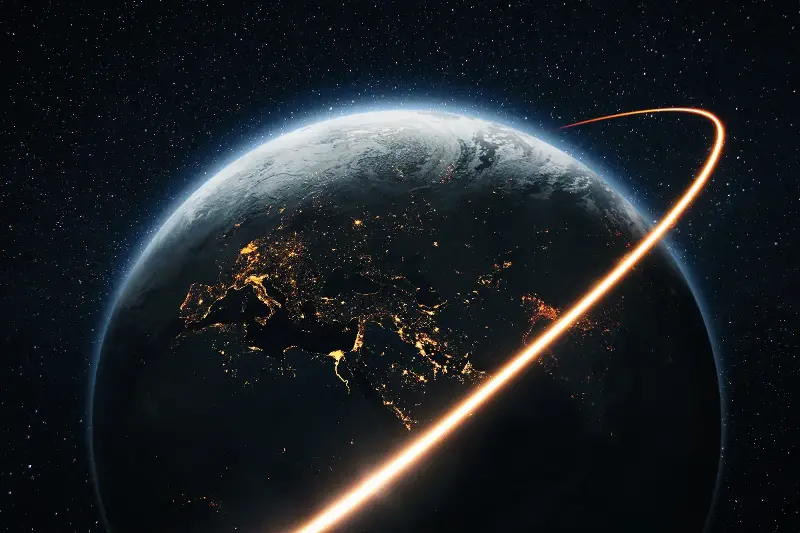
The Ocean's Pulse: How Orbits Control the Tides
Imagine standing on a moonlit beach, watching waves roll in regular rhythms. Have you wondered what dictates this hypnotic cycle? The answer lies 384,400 kilometres away—the Moon. Locked in a gravitational dance with Earth, the Moon’s orbit pulls on our oceans, causing water to bulge outwards.
But it’s not just the Moon at work. The Sun, over 149 million kilometres distant, adds its gravitational pull, combining with the lunar influence to create the dramatic “spring” and “neap” tides. Here’s how it unfolds:
- When the Sun, Moon, and Earth align (during full and new moons), tides are at their most extreme, known as spring tides.
- When the Sun and Moon are at right angles (first and third quarters), tides are gentler; these are the neap tides.
This ceaseless tidal ballet is essential for marine life, nutrient circulation, and even the rhythms of coastal communities.
Cosmic Clocks: Orbits and the Birth of Time
Why is a year 365 days? Why do we have exactly 24 hours in a day? The answers spring from ancient astronomical observations—our ancestors literally looked to the skies for timekeeping.
- Earth’s orbit around the Sun defines the length of a year.
- Its rotation on its axis dictates the length of a day.
Early civilisations, from the Sumerians to Mayans, built grand observatories to track the Sun, Moon, and stars. Stonehenge’s mysterious arrangement, for instance, once aligned perfectly with solstices and lunar cycles, marking the passage of time. Today, every calendar, clock, and even the scheduling of Olympic Games owes its accuracy to the precision of celestial orbits.
Time as we know it is nothing more than our attempt to translate the orderly celestial rhythms into the pulse of daily life.
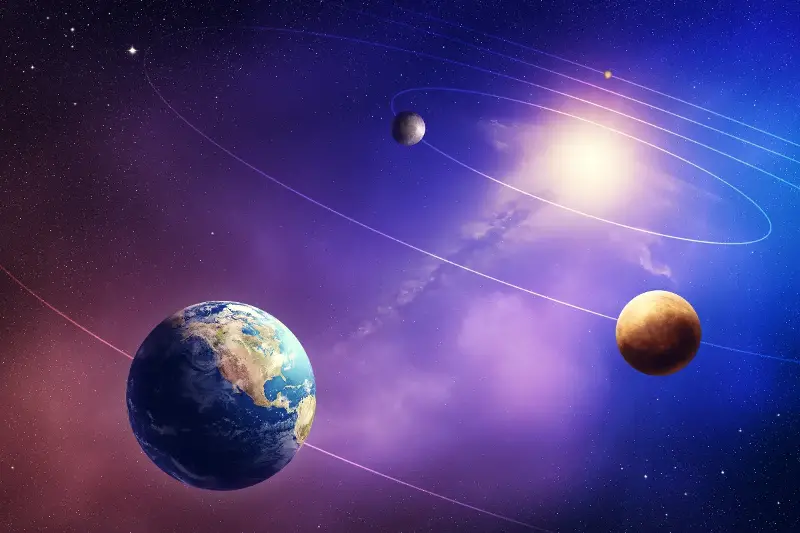
Orbits Beyond Earth: Satellites, Seasons, and Supermoons
Step beyond the blue atmosphere, and orbits reveal their power in even more dramatic ways. Every satellite, be it broadcasting football matches or sending GPS signals, relies on the mathematics of orbit. These manmade moons must ‘race’ around the planet at just the right velocity: too slow, and they’ll fall to Earth; too fast, and they’ll escape into space.
Orbits also explain the rhythmic dance of our seasons. Earth doesn't orbit upright; it's tilted at about 23.5 degrees. This tilt means as our planet travels around the Sun, different regions receive varying amounts of light. The result? Spring’s blossoms, summer’s warmth, autumn’s burnished colours, and winter’s chill.
And then there are the showstoppers in our sky—eclipses and so-called supermoons. The Moon’s slightly elliptical orbit occasionally brings it closer to Earth than usual, causing it to loom larger and brighter—an effect that has spawned myths and legends for millennia.
Orbiting the Universe: Everything is in Motion
The real marvel is this: orbits aren’t unique to our tiny blue dot. Planets swing around stars, moons orbit planets, and galaxies themselves swirl around invisible centres of mass. Even comets—those icy messengers from the outer solar system—follow giant ellipses, disappearing for centuries before returning in a blaze.
Astonishingly, these paths are governed by simple but beautifully elegant laws—first glimpsed by Johannes Kepler and later sharpened by Isaac Newton’s theory of gravity. Whether it’s Earth’s reliable round trip or the dizzying spiral of stars in distant galaxies, order emerges from what seems at first like cosmic chaos.
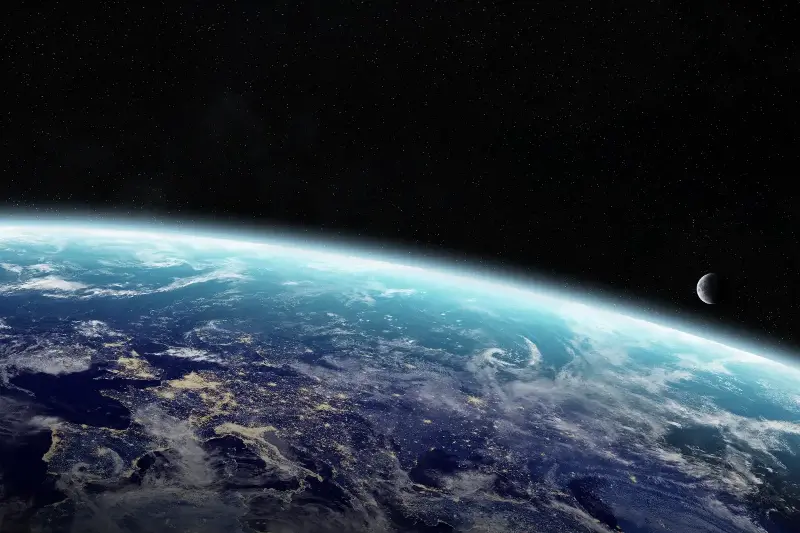
A Universe in Orbit: What’s Next?
Look up at the night sky and know: you’re witnessing a silent ballet billions of years in the making. Orbits tie our Earthly existence to a universe that is alive with motion, synergy, and purpose. They anchor our days, sculpt our seas, and illuminate our skies with celestial wonders.
What other mysteries might we unravel as we gaze upwards? As we reach further into space, could new orbits reshape our understanding of home, time, and the very fabric of reality? The next moment you feel the tide or watch the moon rise, remember: you are, quite literally, in orbit too.