


How Board Games Supercharge Kids’ Social Smarts and Decision-Making Skills
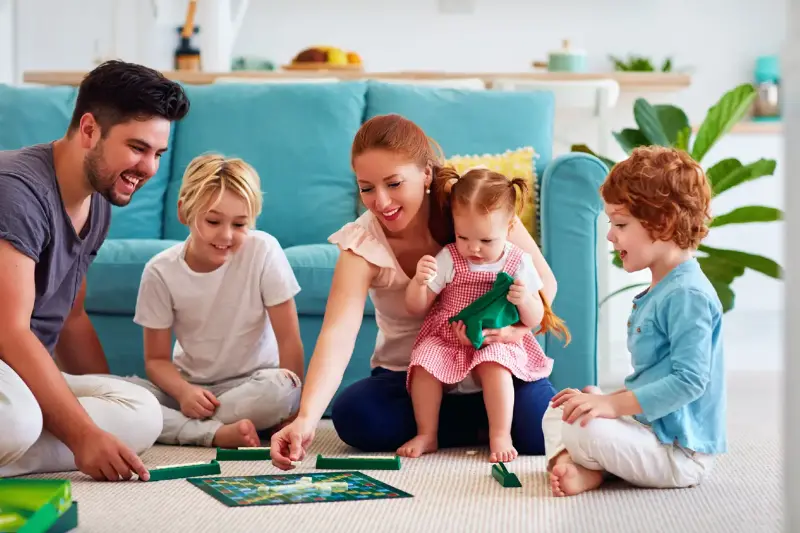
Have you ever watched a child, brow furrowed in concentration, hovering over colorful game pieces as the room bubbles with laughter and gentle rivalry? It’s more than a playful afternoon pastime. In that simple scene, board games are quietly transforming young minds - turning playful rolls and clever moves into real-world life skills. Who knew a box of cardboard and tokens could be one of the most powerful teachers in your home?
Step inside the world of family game night. The hum of excitement. The rustle of cards. The mischievous grin as a pawn snatches victory. It’s not just memory-making; it’s brain-building. Voi are about to discover why investing just an hour around the table can set your children up for a lifetime of thoughtful choices and confident, empathetic interactions.
The Secret Classroom in Your Living Room
What if I told voi the pathway to sharper thinking wasn’t hidden in textbooks but in the rattle of dice and the shuffle of a deck? Board games surround children with a playground where decisions count - but stakes are safe, and laughter is guaranteed.
- Every turn is a lesson in decision-making. Kids must weigh options, predict outcomes, and live with their choices - all without a single lecture.
- Failure is friendly, and so is risk. Losing a game becomes a gentle lesson that daring moves can go awry, but perseverance often pays off.
- Rules become real-world boundaries. Understanding, negotiating, and sometimes bending the rules builds flexible thinkers who respect structure - and know how to creatively work within it.
Friendship By The Cardful
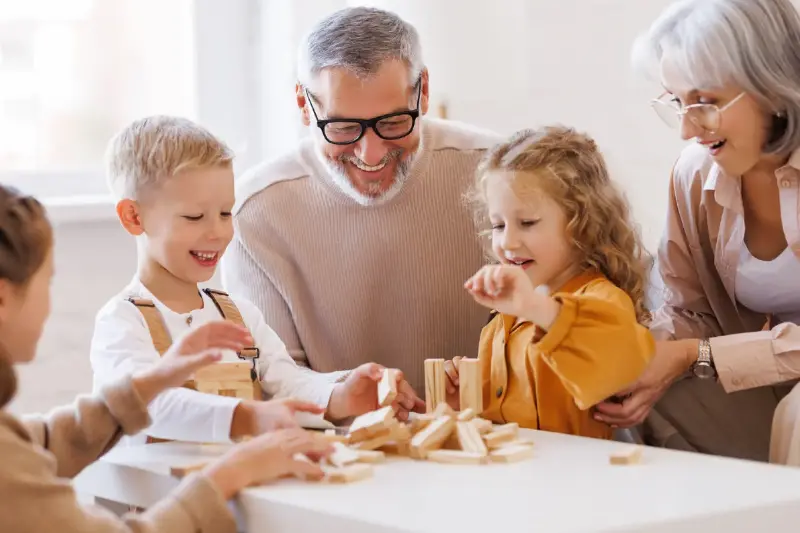
Beneath the click of tiles and swoop of a game piece, board games are social laboratories where children learn the subtle science of making friends. Imagine a child biting back their impatience, learning to wait their turn, offering a handshake at the end - these are practice rounds for adulthood.
- Negotiation is disguised as play. Games like Settlers of Catan or Monopoly are microcosms where trading, teamwork, and diplomacy bloom.
- Communication counts. Kids learn to read faces, persuade, argue with kindness, and sometimes, swallow pride in the spirit of fair play.
- Team games spark empathetic thinking. Cooperative games teach that winning isn’t always solo - sometimes, victory tastes sweeter when shared.
The Neuroscience Behind the Fun
Parents often wonder if screen-free boredom busters are worth their salt. Here’s a clincher: research shows that board games light up the parts of a child’s brain responsible for strategic thinking, memory, and emotional regulation.
- Thinking ahead builds executive function. Children must plan moves, delay gratification, and adapt strategies as the game changes.
- Memory gets a workout with every rematch. Remembering past mistakes and successes isn’t just good for the next game - it strengthens patterns of reflection vital beyond the table.
- Handling loss builds emotional muscle. Tears after losing a game provide a gentle introduction to coping skills that will serve them in sports, school, and friendships.
Which Games Make The Greatest Impact?
Curious where to start? Not all games are created equal, but even classics offer a buffet of benefits. Here are a few recommendations:
- Ticket to Ride - promotes planning and friendly competition
- Guess Who? - sharpens deductive reasoning and memory
- Codenames - encourages creative communication and teamwork
- Pandemic - teaches collaboration and shared responsibility
- Uno - builds focus, patience, and sportsmanship
Quick Tips For Magical Game Nights
- Set the right mood with snacks, comfy cushions, and a gentle playlist - ambience matters
- Start simple, especially with younger players, and add complexity as skills grow
- Model good sportsmanship and flexible thinking - kids learn most by example
- Celebrate effort, not just victory. Point out clever moves, gracious losses, and teamwork that shines
When Play Becomes Practice For Life
Maybe voi hadn’t realized it before, but each roll and rivalry under your roof is forging stronger, wiser, more connected kids. The scent of popcorn in the air, the warm glow of a shared smile - these moments might be fleeting, but the skills your children absorb last long after the game is packed away.
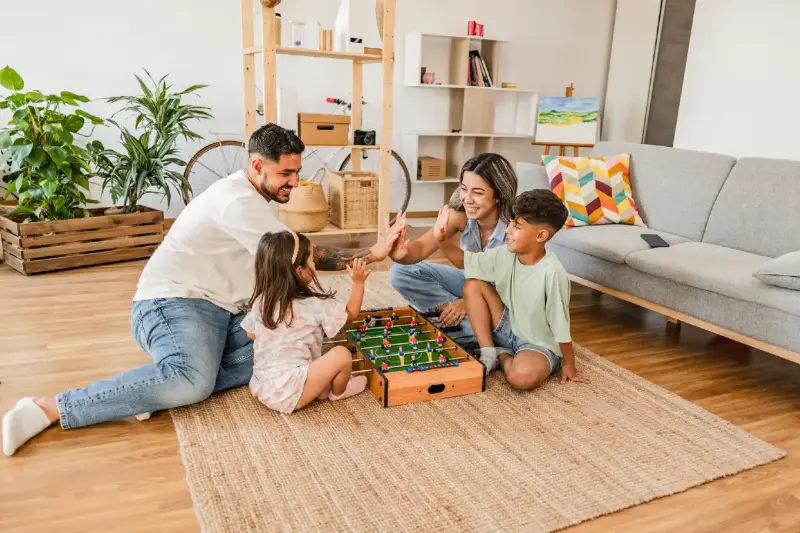
So, the next time a rainy day darkens your doorstep or screens beckon with their lonely blue light, reach for that well-worn board game instead. Who knows what quiet victories and lifelong lessons await in the shuffle of the deck?
How might voi weave board games more deeply into your own family’s routines? What hidden strengths or surprising talents will emerge the next time the dice come calling? The table is set - the rest is up to voi.