


Global trade is a lot like weaving a giant tapestry—pieces from all over the world come together, threads intertwining to make something bigger than the sum of its parts. But what happens when some of those threads are deliberately knotted or tangled? This is where tariffs, those age-old tools of economic policy, come in. While they might look simple on the surface—just taxes on imported goods—their effects ripple far beyond their immediate targets, touching everything from the price of your smartphone to jobs in distant countries. So let’s unravel the tangled truth of tariffs and explore how trade restrictions can shape economies, politics, and even everyday life.
The Basics Of Tariffs: More Than Just Taxes
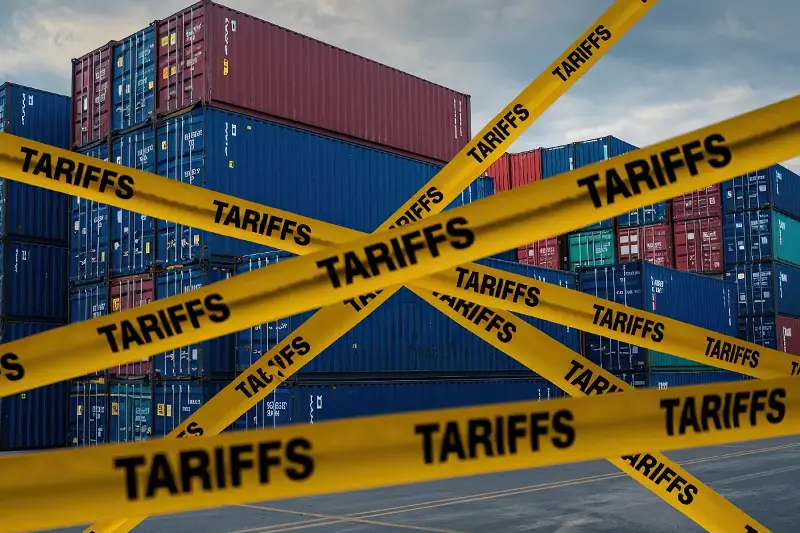
At first glance, a tariff sounds straightforward: it’s a tax placed by a country’s government on goods imported from abroad. Governments have used tariffs for centuries, often to protect local industries from foreign competitors, raise revenue, or express disapproval of another nation’s policies. Yet in our globalised, highly connected economy, putting tariffs on imports can have complex and sometimes unexpected consequences.
For consumers, tariffs often mean higher prices at the shops. Why? When it becomes more expensive for companies to import products like clothing, electronics, or cars, those extra costs are usually passed down the line to consumers. It’s not only luxury items that are affected. Even everyday essentials—think basic foodstuffs or household goods—can get caught in the crossfire if they are made using imported materials.
Why Countries Impose Tariffs: Protectionism And Politics
The most common argument for tariffs is protectionism. By making imported goods pricier, local products become comparatively cheaper and more appealing. This can help domestic industries get off the ground or shield them from overseas competition. It’s an idea that dates back to the days of the Industrial Revolution and has been a favourite playbook for emerging economies.
But tariffs aren’t used only for economic reasons. They can also be political tools. Governments sometimes slap tariffs on goods from countries with whom they disagree, using trade as a way to pressure rivals or reward allies. The United States and China, for instance, have used tariffs in recent years as both bargaining chips and retaliatory measures, sparking what many have called a “trade war.”
While the motivations for imposing tariffs may seem sound from a local point of view, the wider effects are often much less predictable and harder to control.
The Domino Effect On The Global Economy
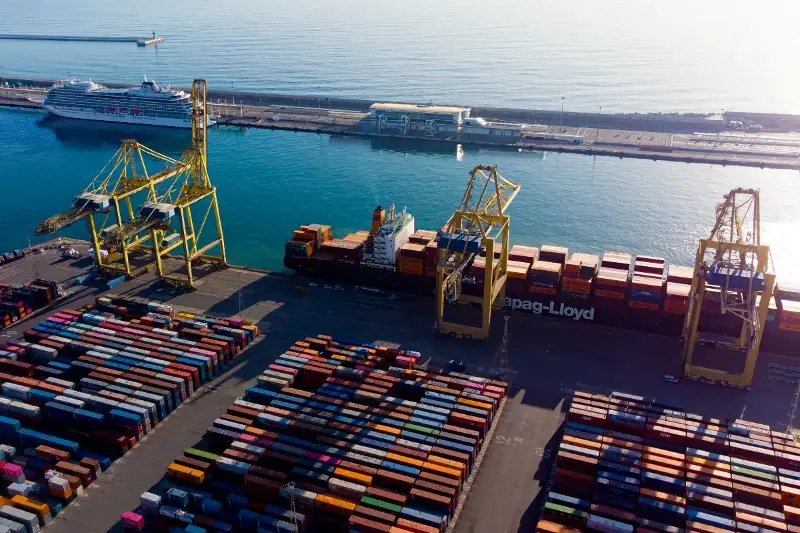
Because modern supply chains stretch across continents, tariffs rarely stay contained in one place. A tariff on steel in the United States, for example, can affect car manufacturers in Germany, electronics firms in South Korea, and construction projects in Brazil. That’s because so many industries rely on inputs sourced from around the world.
When tariffs disrupt these global supply chains, costs increase at every step. If a British company relies on French parts to build televisions, and a new tariff suddenly makes those parts pricier, the entire assembly line is impacted. These domino effects can lead to slower economic growth, job losses in certain sectors, and investment uncertainty.
Interestingly, some businesses have learned to adapt, shifting their supply chains to countries not hit by tariffs, or investing in new technologies to lower costs. This adaptability helps cushion the blow in some regions, although not every industry can transform itself overnight.
Winners, Losers, And Unexpected Outcomes
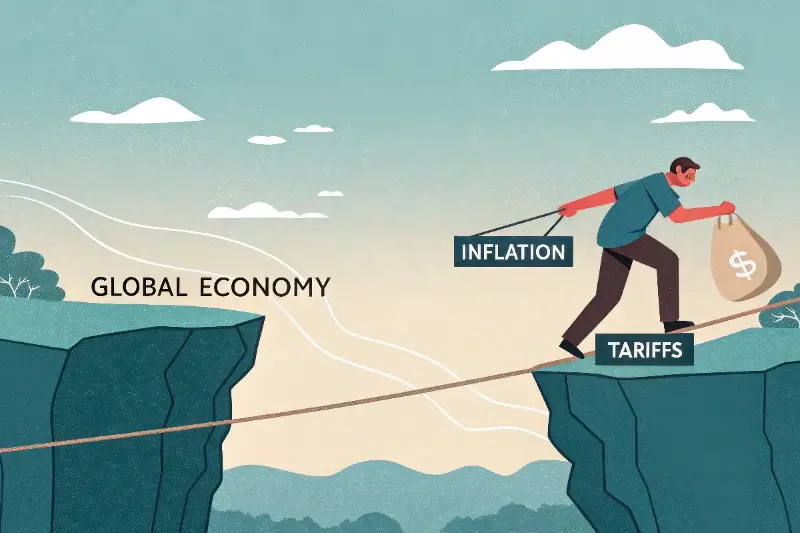
While tariffs are meant to protect local workers and businesses, the reality is often more complicated. In the short term, workers in protected industries may keep their jobs, as was seen in the US with certain steel and aluminium manufacturers. But for consumers and companies that rely on imported components, costs soar, sometimes leading to layoffs or even businesses shutting down.
Studies have shown that, over the long run, tariffs rarely lead to widespread job creation. Instead, they can lead to inefficiency, keeping struggling industries alive at the expense of innovation and competitiveness. What’s more, other countries often retaliate, imposing their own tariffs in response. This tit-for-tat can escalate quickly—a “tariff war” where everyone ends up paying a higher price.
Fascinatingly, some tariff policies can inspire unexpected ingenuity. Companies sometimes find creative workarounds, from rerouting trade through third countries to tweaking their products just enough to dodge a tax. Economists call this “tariff engineering,” and it’s part of the endless chess match between governments and businesses.
The Human Angle: How Tariffs Touch Daily Life
Although trade policy can feel distant, its impact is intensely personal. Imagine a favourite gadget becoming unaffordable overnight, or seeing job opportunities shift as factories open or close based on new trade rules. Tariffs can hit hardest in specific communities—textile towns, ports, or regions focused on export agriculture.
But it’s not only negative stories. There’s also a sense of national pride when local industries thrive, or when a country weathers the storm of global turbulence by supporting its own. Supporters of tariffs often point to these success stories. Still, for many, the overall economic drag and broader uncertainty are harder to ignore.
On the flip side, some of the world’s greatest prosperity has come from the openness of international trade, and the innovation that comes from competition on a global scale.
The Future Of Tariffs In A Changing World
As technology races forward, the world grows ever more interconnected. This raises a vital question: are tariffs still as effective as they once were? Many experts believe new challenges—like the rise of digital goods and services, rapid automation, and shifting alliances—require smarter, more targeted trade policies.
Increasingly, global institutions and bilateral agreements are being used to manage trade disputes, aiming for cooperation rather than confrontation. There’s growing recognition that while tariffs will likely remain part of the international toolkit, they should be used carefully, with a deep understanding of their ripple effects.
In the end, the tangled truth of tariffs reminds us that every economic policy has winners and losers, supporters and critics, and a legacy that can last for generations. As you pick up that imported T-shirt or drive your international car, remember: behind each product lies an invisible web of decisions, negotiations, and compromises—a testament to both the complexity and the opportunity of our global economy.