


You deserve to feel your best every stride, every sprint, and every tranquil jog through the city park. Yet the magic of a perfect run doesn’t stop at motivation or playlist—it begins with your shoes. Choosing the right running shoes goes far beyond cute colours or trendy designs; it’s about nurturing your body and enhancing your journey with every footfall.

The Runway to Comfort: Why Shoe Fit Matters
Start by imagining your feet cradled just right—not squeezed, not swimming, but gently hugged. That sensation is your first clue to lasting comfort. Runners often underestimate the transformative impact of a precise fit. Ill-fitting shoes can lead to discomfort, blisters, and even long-term injuries, which can throw a wrench into your hard-earned progress.
When trying on a pair, ensure there’s about a thumb’s width of space between your longest toe and the front of the shoe. This subtle detail allows your foot to swell naturally as you run—an oft-overlooked fact that makes a world of difference for those clocking up serious mileage.
Don’t forget to factor in sock thickness, and always shop for shoes later in the day, when your feet are at their largest. Remember: your feet aren’t static and neither is your comfort!
Beyond the Hype: Understanding Shoe Types and Support
Modern running shoes come in a fascinating spectrum of styles—each engineered for a specific goal or foot type. But the parade of buzzwords and technologies can make even seasoned runners’ heads spin. Here’s how to decode the essentials:
- Neutral Shoes: Ideal for runners with normal gait and minimal pronation. They provide flexibility and lightness, encouraging a natural stride.
- Stability Shoes: If you tend to overpronate (your foot rolls inward), these offer medial support to keep you aligned.
- Motion Control Shoes: Perfect for those with severe overpronation, these are the fortress-builds of the running shoe world, ensuring maximum control.
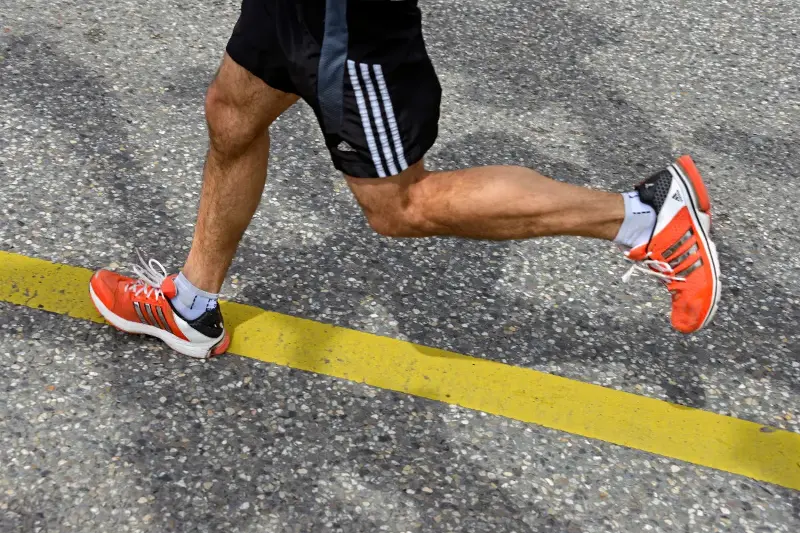
Pay special attention to the outsole and midsole materials. If you frequently run on hard pavements, look for shoes with durable outsoles and optimal shock absorption. Trail runners, on the other hand, should prioritise grippy, lugged soles for traction.
There’s no one-size-fits-all—choose according to your environment and anatomy.
Miles Ahead: The Science of Cushioning and Energy Return
Does your shoe put a spring in your step or feel like running in sand? Research over the past decade has introduced ultra-responsive foams and gel systems that not only cushion your landing but also return energy, propelling you forward.
Key cushioning cues:
- Heel-to-toe drop: This is the height difference between heel and forefoot. A lower drop encourages a more natural stride, while a higher drop can be gentler on tight calves or Achilles problems.
- Midsole technology: Brands tout proprietary foams—think Nike’s React, Adidas Boost or Asics GEL. Test a few to see which aligns with your stride and feels energetic rather than sluggish.
One fascinating fact: the average running shoe should be replaced every 300 to 500 miles—though lighter runners and those with great form might squeeze out a bit more.
Let Fashion and Function Join Forces
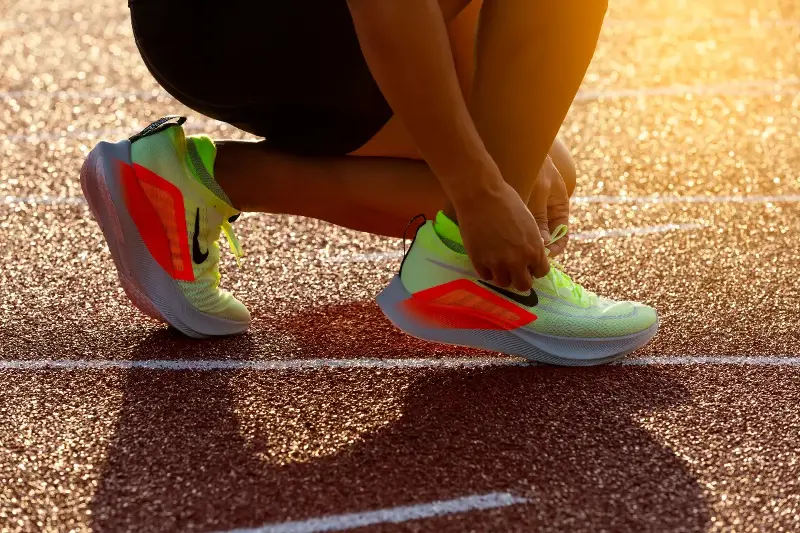
Who said you can’t look stylish while chasing your personal best? Today’s market serves up running shoes in every hue and silhouette imaginable—from sleeker profiles ideal for city life to bold pops for the flamboyant at heart.
Fashion-forward runners often seek shoes that transition seamlessly from park path to café patio. Look for:
- Neutral shades (blacks, navys, greys) that complement your activewear.
- Statement soles or sock-like uppers for extra flair.
- Limited edition collaborations, which can be both functional and a conversation starter.
But underneath the style, never compromise on fit or function. The right shoe should inspire confidence—on the track, the treadmill, or just striding through life.
At the end of the (running) day, finding your perfect shoe involves curiosity, patience, and self-awareness. Treat the process like a ritual—one that honours both your drive and your need for comfort. The road ahead is long and filled with promise. What bold new terrains—of style, of stamina, of self-discovery—might you conquer, simply by taking that first, well-supported step?