


The workplace is undergoing a transformation of historic proportions, fuelled by the rise of artificial intelligence (AI). Across industries worldwide, AI technologies are not only changing how we work but are also reshaping the very fabric of the job market. As organisations integrate sophisticated algorithms and machine learning tools into their daily operations, a pressing question arises: Are these innovations leading to a revolution in efficiency and productivity, or do they pose a genuine threat to job security?
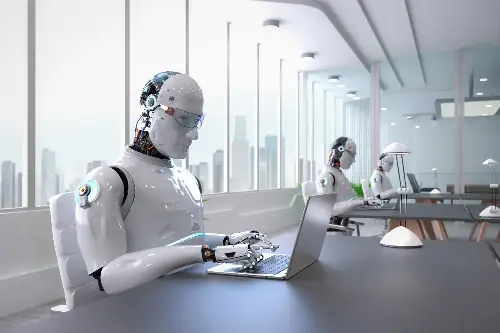
The evolution of AI can be likened to a double-edged sword. On one side, there's the incredible potential for growth and optimization. AI systems are capable of analysing vast amounts of data with unparalleled speed and accuracy, empowering businesses to make more informed decisions. In sectors such as healthcare, AI-assisted diagnostics are improving patient outcomes, while finance companies are using AI to detect fraud faster than ever before.
Furthermore, the integration of AI in the workplace can alleviate the strain on human workers by automating routine and mundane tasks. This paves the way for employees to focus on more complex, creative, and emotionally intelligent work—areas where humans outperform machines. By freeing up human cognitive and creative capacity, AI has the potential to drive innovation, spur new industries, and create job roles that we can barely envisage today.
However, the promising horizon is not without its storm clouds. The automation of tasks has raised legitimate concerns around job displacement. According to a report by the World Economic Forum, robots will displace 85 million jobs by 2025. But in the same breath, the report suggests that 97 million new roles may emerge that are more adapted to the new division of labour between humans, machines, and algorithms.
The challenge is that these new roles often require different skills than those that will be phased out. Consequently, there is an urgent need for re-skilling and up-skilling programs across various sectors. Workers will need to adapt, learning to coexist and cooperate with AI systems, or risk being benched in this new, fast-paced AI-driven ecosystem.
Another area of concern centres around the ethical implications of AI at work. Issues such as privacy, surveillance, and worker autonomy are under scrutiny as AI applications become commonplace. Where is the line between performance monitoring and invasive oversight of employees? How do we ensure that AI tools promote fairness and inclusivity rather than propagating existing biases?
These are not simply technological or business considerations; they reflect deeper societal values and the need for regulatory frameworks to keep pace with change. The European Union, for example, has made steps towards setting out clear guidelines for ethical AI usage, but global consensus remains a work in progress.
Governments, industry leaders, and workers alike must engage in a concerted dialogue to navigate these turbulent waters. Education systems need to adjust to prepare future generations for the new job landscape that awaits. Companies must invest not only in technologies but also in the human capital that will be essential to sustain progress.
In conclusion, AI at work is both a catalyst for innovation and a harbinger of disruption. It carries the promise of a more effective and efficient workplace, yet it holds the potential for significant social and economic upheaval. Ultimately, striking a balance between harnessing the benefits of AI and mitigating its risks is imperative.
The heart of the matter lies in embracing change while remaining vigilant in the preservation of employment and dignity in the workplace. By fostering a culture of lifelong learning, ethical AI usage, and proactive public policy, we stand a better chance of ensuring that the AI revolution enhances the workplace rather than undermining it. As we venture further into this brave new world, our collective response to AI in the workplace will shape the future of employment for generations to come.