



Revving up your motorcycle is more than just about feeling the wind and hearing the engine roar. Behind every exhilarating journey is a tapestry of dedication, care, and that unspoken bond between rider and machine. Seasoned riders know that the secret to longevity—and legendary rides—lies in tuned-up, meticulously maintained motorcycles. Ready to dive beneath the surface and master the art of riding smarter, safer, and longer?
The pulse of performance: fluids and filters unmasked
If the engine is a motorcycle’s heart, then its fluids are the lifeblood. Oil, coolant, and brake fluid each play critical roles that shouldn’t be underestimated. Neglecting a simple oil change can cost you years in engine life—changing it every 3,000 to 5,000 kilometers or every six months keeps the engine humming. Don’t forget the air filter—it sparks clean combustion and prevents costly clogs. Check your manual, but cleaning or swapping the air filter every 10,000 kilometers is a high-mileage secret many overlook. Similarly, brake fluid loses efficacy over time, leading to “spongy” brakes—bleed and replace it at least once a year.
Tire truths: gripping the road, gripping reality
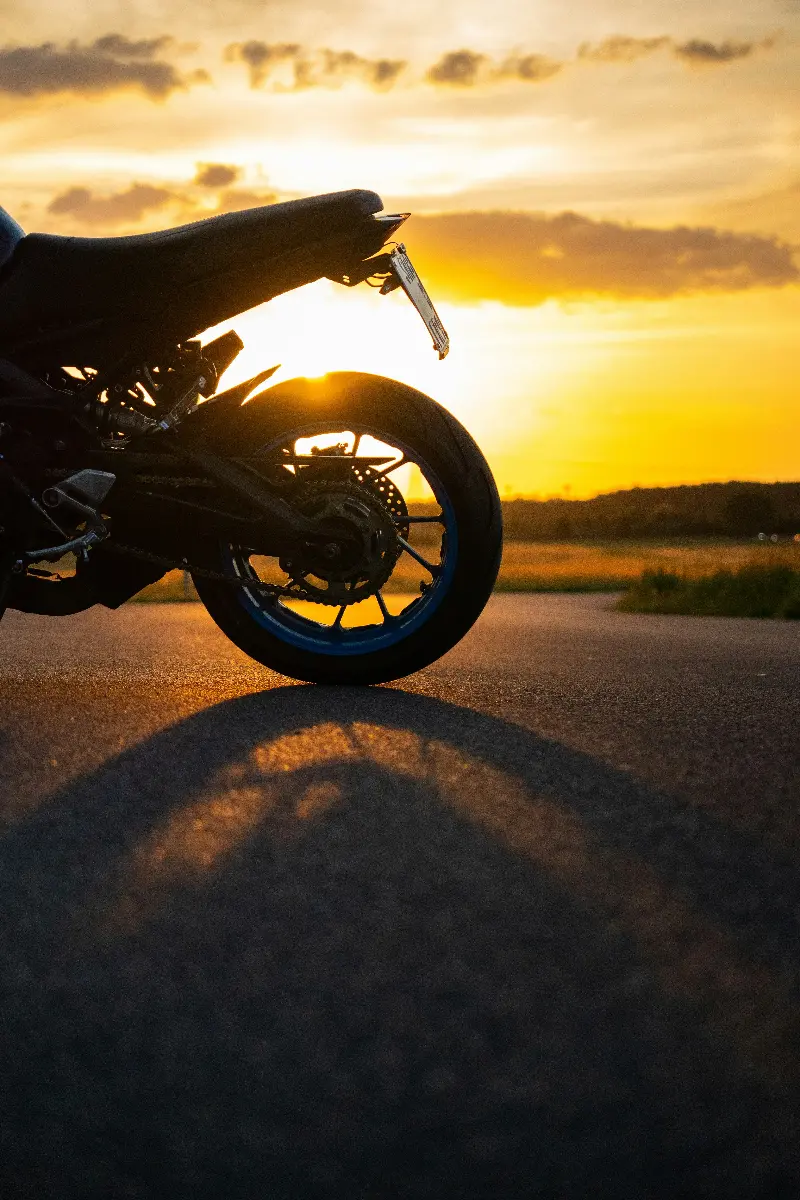
Picture this: You’re on a winding mountain road, leaning into a curve. It’s the tires—no bigger than your palm—that stand between you and the asphalt. That’s why checking tread depth (at least 1.6mm), inspecting for cracks or foreign objects, and maintaining factory-recommended pressure isn’t just maintenance—it’s safety in motion. Pro tip: Tire pressure should be checked cold, before the day’s first ride.
Chain reaction: links to a smoother ride
Drive chains endure enormous strain and yet are often overlooked. A clean, well-lubricated chain isn’t a luxury—it’s essential for smooth power transfer and safeguarding your sprockets. Use a soft brush for cleaning every 500-1,000 kilometers, and lubricate it immediately after to lock out moisture. Monitor tension: the right slack is crucial—too tight and you stress components; too loose and you risk slippage.

Brakes and bars: where caution meets control
Responsiveness in a motorcycle’s brakes is non-negotiable. Worn pads or contaminated discs can spell disaster. Inspect thickness, look for grooves, and listen for squeals—these are your warnings. Meanwhile, handlebars, levers, and controls must be checked for looseness. A loose handlebar at speed isn’t just unnerving—it’s dangerous.
Electrics and eyes: lights that lead the way
Don’t let faulty electrics cast a shadow over your adventures. A dim headlight or flickering indicators not only dulls your presence—they pose real risks. Routinely check all lighting and ensure your battery terminals are both tight and corrosion-free. Keep a spare bulb in your toolkit for on-the-go fixes. Remember: good visibility saves lives.
Beyond wrenches: building intuition and attitude
The best-kept maintenance secret is, in the end, the rider’s intuition. Learn to listen to your motorcycle—its sounds, its feel, its rhythms. Use your senses to detect early signs of trouble: a change in exhaust note, unusual vibrations, or even a gut feeling that something’s “off.” A proactive rider who respects the machine’s language can outsmart most mechanical faults before they become trip-ending headaches.
Each ride is a blank page, waiting for new chapters and unforgettable moments. Mastering these maintenance secrets isn’t just about nuts and bolts—it’s about deepening your connection to the road and your passion for adventure. What stories will your next ride inspire?