


Air fryer, oven, or pan: which is healthiest and most affordable? Smart tips for crispy results and maximum flavor
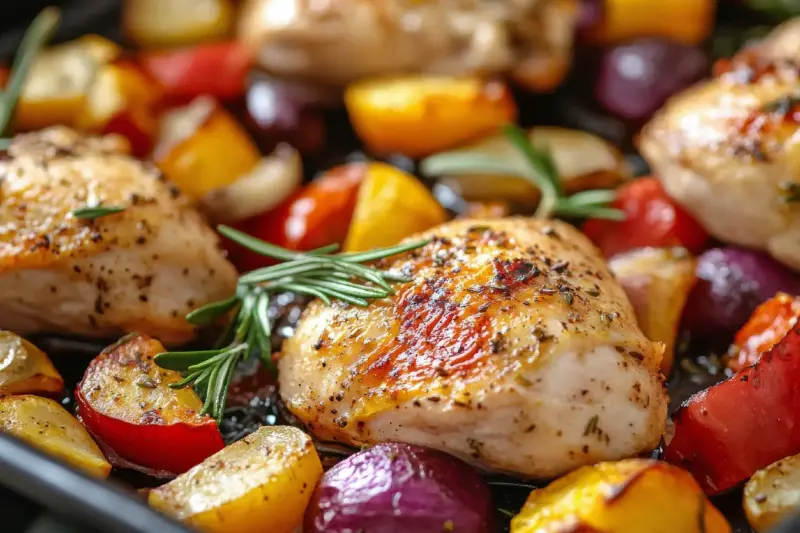
Do you ever find yourself staring at your favorite vegetables or a beautiful piece of chicken, wondering: should I toss this in the air fryer, slide it in the oven, or sizzle it in a pan? The answer could change more than just your dinner - it might save you money, boost the health factor, and make everyone at the table ask for seconds.
Picture this: it's the end of a long day, your kitchen is filled with the comforting aroma of roasted garlic and fresh herbs, and you're minutes away from a golden, flavorful meal. But behind every successful dinner is a silent choice - the cooking method. This article is your friendly, expert guide to making that choice with confidence, all while ensuring your family eats more vibrant vegetables and satisfying proteins, flavorful and irresistibly crisp.
Let’s unlock the secret recipe to healthier, cheaper, and more delicious home-cooked meals.
The showdown: air fryer vs oven vs pan
You want healthy. You want tasty. And you’re not looking to spend a fortune on energy bills or specialty oils along the way. Here’s how each method sizes up:
Air fryer: the crispy revolution in your kitchen
- Health perks: Air fryers use rapidly circulating hot air to mimic the crunch of deep-fried foods with just a mist of oil. That means fewer calories, less fat, and still plenty of crispness.
- Cost check: compact heating chambers mean air fryers use about 70-80% less energy (and less time) than most ovens for smaller batches. With rising energy prices, this adds up.
- Taste & texture: vegetables and proteins come out with a satisfying crunch - think golden sweet potato fries, juicy chicken breasts with snap, and even crisp chickpeas.
Oven: a classic for batch cooking and subtle flavors
- Health perks: ovens let you roast big pans of vegetables or fish with little to no oil. Slow-roasting at low heat can caramelize veggies for a naturally sweet, nutrient-rich result.
- Cost check: ovens take longer and often need more energy. For big families or meal prepping, the efficiency balances out over many servings.
- Taste & texture: expect tender interiors, a gentle caramelization, and a subtle blending of flavors, especially for slow-roasted dishes.
Pan: quick, tactile, and flavor-forward
- Health perks: sautéing with a modest splash of healthy oil (like olive or avocado) keeps nutrients and flavors bright. Watch out for burning or heavy frying, which can boost unhealthy fat and calorie counts.
- Cost check: stovetops heat quickly, so pan-cooking can be energy-efficient for single meals, though less so for bigger batches.
- Taste & texture: nothing beats the seared, golden crust you get from the direct heat of a pan, especially for proteins like steak, tofu, or salmon.
Crispy secrets unlocked: tested tips you need to know
Everyone loves that golden snap of a perfect roasted carrot or a crackling piece of chicken skin. But the difference between limp and crisp? It’s all in the details. Here’s what truly works:
- Patting dry before cooking: water is the enemy of crisp. Before you toss anything into your air fryer, oven, or pan, thoroughly pat it dry with paper towels. Less moisture equals more crunch.
- Don’t overcrowd the space: give your veggies or proteins plenty of space to breathe. Overcrowding leads to sad, steamed results instead of irresistible browning.
- Light, even oiling: just a spoonful of oil, tossed to coat, is enough for that Maillard magic. In the air fryer, go even lighter.
- Preheat your tool: always let your oven, air fryer, or pan come to temp first. That initial burst of high heat jumpstarts the browning.
- Use a rack or raised surface: for ovens and even some air fryers, elevating your food ensures heat circulates around every edge, delivering all-around crunch.
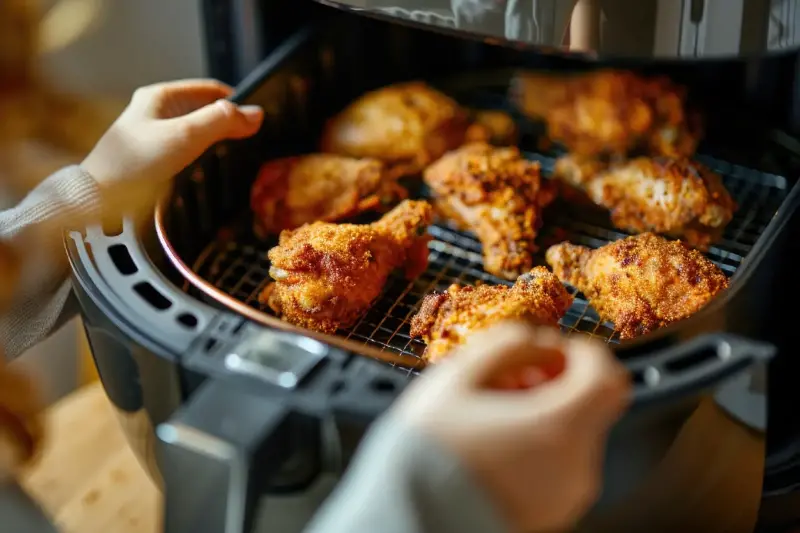
Safety first: the right temperatures to lock in taste and health
Undercooking can mean more than just a ruined meal - it’s a real food safety risk, especially with proteins. Here’s a quick guide to getting it just right, every time:
- Chicken: always cook to 165°F (74°C) at center
- Fish: 145°F (63°C) for flaky, moist results
- Beef or lamb: minimum 145°F (63°C), with higher temps for well-done preferences
- Vegetables: as soon as edges crisp and insides are hot, you’re good to go (usually 10-20 minutes at 400°F/200°C in air fryers or ovens)
- Tofu and plant proteins: aim for golden edges and a hot, tender interior
Flavor boosters: elevate every vegetable and protein
Can healthy meals really burst with flavor and color? Absolutely. These tricks bring even “boring” veggies and mild proteins to center stage:
- Toss with spice blends: try smoked paprika, za’atar, curry, or even a sprinkle of nutritional yeast for a flavor umami bomb.
- Add a finishing touch: a squeeze of lemon, fresh herbs, or flavored oils (think garlic or chili) brighten everything.
- For juicy meats or tofu: marinate before air frying or roasting. Let it sit in yogurt, mustard, soy sauce, or your favorite spice paste.
- Roast with aromatics: throw in whole garlic cloves, onion wedges, or citrus slices; as they cook, their flavor spreads through the whole dish.
- Use broil or a blast of high heat at the end: for shatteringly crisp finishes, crank up the oven or air fryer for the last two minutes.
Saving money while savoring every bite
A healthy kitchen doesn’t have to cost the earth. Here’s how to keep the grocery budget in check:
- Use pantry staples: canned beans, frozen veggies, and bulk whole grains roast beautifully in all three cooking methods.
- Batch cooking: fill every rack or tray for multiple meals. Extra roasted veggies store well and make easy lunches.
- Shop seasonal: in-season produce is cheaper and packs more flavor.
- Choose lean, affordable proteins: chicken thighs, eggs, or lentils offer nutrition without the premium price.
The bottom line: your healthiest, crispiest choice?
If you crave convenience, crave-worthy texture, and a clean bill of health, the air fryer is a surprising winner for smaller portions and fast results. For big family meals and deeper, roasted flavors, oven cooking is a classic standby. And for those nights when you just want dinner on the table in a flash, a hot pan is unbeatable.
What matters most isn’t just technique, but the joy you put on the plate. When you master a few crisp-inducing tips and experiment with bold flavors, you’ll find that eating more vegetables and proteins isn’t a chore - it’s a pleasure.
So tonight, as you crank the dial on your favorite kitchen gadget, ask yourself: how will you make your meal today a little healthier, a little crispier, and a lot more memorable? The answer’s waiting for you in your own kitchen.