


In the lexicon of desserts, crème brûlée holds a place of honour, its popularity undiminished by passing fads and trends. This quintessentially French dessert, with its silky custard and trademark burnt sugar crust, is as much a treat for the eyes as it is for the palate. Yet, the notion that one requires a kitchen torch to achieve that perfect caramelised topping is a myth that begs to be dispelled. Herein lies a guide on how to master the art of crème brûlée using simple kitchen tools, ensuring that a lack of specialised equipment will never stand between you and this elegant dessert again.
Crème brûlée, directly translated as "burnt cream," is a testament to the transformative power of heat upon sugar. But beneath that brittle caramel lie layers of history: it's a dessert that has charmed European royalty since the 17th century, and one that later found itself transplanted onto American menus during the Gilded Age. To create it at home, you'll need the same basic ingredients that have underpinned its centuries-old recipe: heavy cream, egg yolks, sugar, and vanilla.
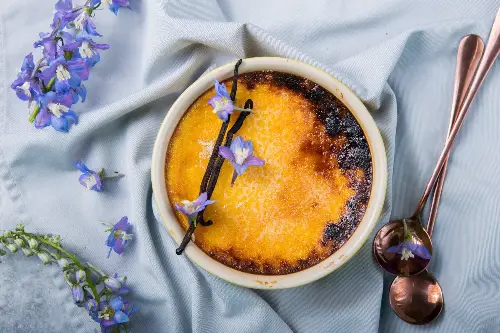
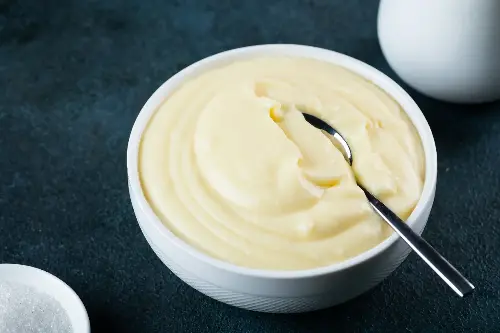
Let's start where all good crème brûlées do, with the custard. Gently heat the heavy cream in a saucepan until it's warm to the touch. Meanwhile, whisk the egg yolks with the sugar and vanilla. The key here is patience: add the warmed cream to the eggs very slowly, whisking continuously to prevent the eggs from scrambling. Once combined, strain the mixture through a fine sieve to ensure a smooth consistency; any clumps of egg or cream will mar the final texture of your dessert.
Dividing the custard between ramekins is the next step. These small, individual serving dishes are the traditional container for crème brûlée and allow the dessert to cook evenly. Place the filled ramekins in a larger baking dish and pour boiling water into the dish until it comes halfway up the sides of the ramekins. This water bath, or bain-marie, provides a gentle heat that cooks the custard to creamy perfection.
After the custards have baked and chilled, they're ready for their crowning glory: the caramelised sugar topping. It's here that the absence of a torch becomes most conspicuous, but fear not. Your trusty broiler is more than up to the task. Simply sprinkle the tops of the chilled custards evenly with a fine layer of sugar. Then, place the ramekins on the top rack of your oven, as close to the broiler element as possible. Watch closely, rotating the ramekins occasionally for even browning. Within minutes, the sugar will melt and begin to darken to a rich amber, the hallmark of a properly executed brûlée.
There is another method, too, for those who may not have access to a broiler. A preheated metal spoon, heated over a stove flame until it's very hot, can be gently pressed onto the sugared surface of the custard. This manual approach requires more care, as it caramelises the sugar in sections rather than all at once, but it allows for a satisfying hands-on approach to achieving the desired effect.
Two common pitfalls to avoid, whether using a broiler or heated spoon, are burning the sugar or, conversely, under-caramelising it. The former results in a bitter taste, while the latter will lack the signature crispness that contrasts so delightfully with the custard beneath. Timing and vigilance are your allies in avoiding these outcomes.
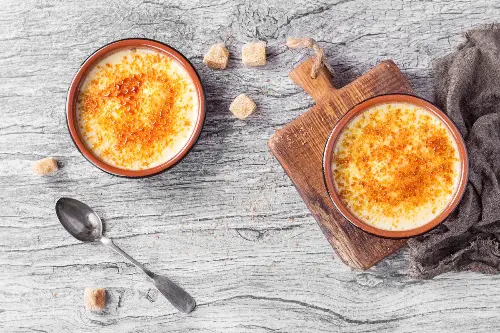
As with all recipes that boast a long lineage and a simple list of ingredients, the quality of those ingredients can make or break your crème brûlée. Choose the freshest eggs, the purest cream, and real vanilla. Similarly, the type of sugar matters. While granulated sugar works, many aficionados swear by superfine or caster sugar for its ability to melt quickly and evenly into the ideal brittle top.
While some desserts are best experienced fresh from the oven, crème brûlée embraces leisure. Once the sugar topping has cooled and set, the custards can and perhaps should be allowed to sit. This waiting period allows the flavours to meld fully and the topping to reach the optimal texture.
In the end, to create a crème brûlée without a torch is to take part in a culinary tradition that predates such modern gadgets. It's to challenge oneself to work with the tools at hand, exercising ingenuity and skill. Whether served at an intimate dinner or a festive gathering, a perfectly executed crème brûlée is a statement of elegance, a nod to the past, and, when it comes down to it, simply sublime to taste. So, take up your whisk, your spoon, or your broiler pan, and let the act of creation be as rewarding as the finishing sweet crunch.