


Driving is an experience that offers freedom, efficiency, and joy. But when dashboard warning lights illuminate, it can quickly become stressful. These lights are your car's way of communicating issues, and understanding them is crucial for maintaining a safe and operational vehicle.
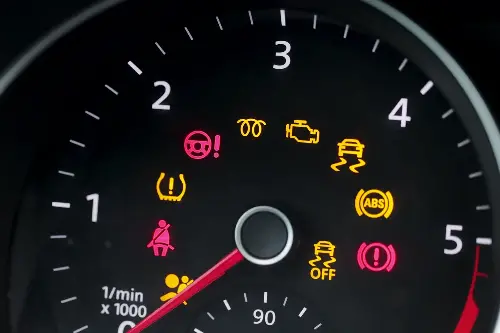
Unlocking the Colour Code
The first step in deciphering these signals is to comprehend the colour code. Dashboard lights typically follow a simple, universal colour system to indicate the urgency of the issue. Red lights demand immediate attention and could signify a serious problem or safety issue. Amber or yellow lights mean you should exercise caution and address the issue soon. Green or blue lights usually indicate that a system is operating correctly or is currently in use.
Critical Warnings: Red Alerts
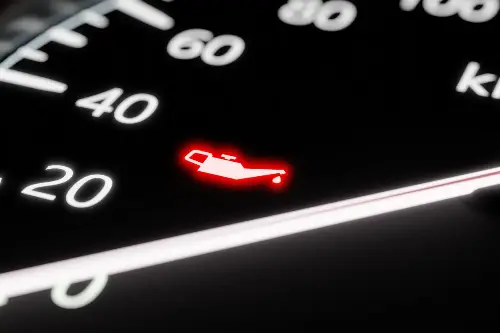
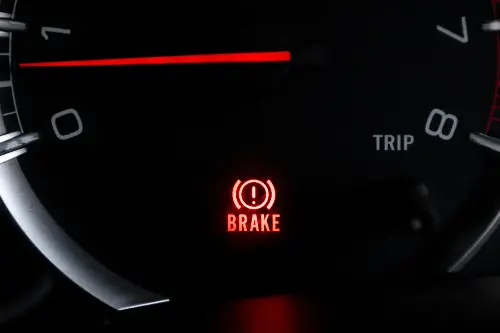
When a red light appears, it's akin to a car screaming for help. If you see the red oil pressure light, it means your engine is losing oil pressure, which can lead to significant engine damage if not promptly addressed. The red temperature warning signifies overheating, which could result in catastrophic engine failure. The brake system warning light, also in red, could indicate something as simple as the parking brake being engaged, or it could mean a serious loss of hydraulic pressure.
Immediate Action Alerts
These warnings should also prompt swift action but don't necessarily require you to pull over instantly. A red battery charge warning signifies a malfunction in the vehicle's charging system, which could lead to a dead battery or shutdown mid-journey. The traction control or stability control lights, typically amber, suggest your vehicle's traction or stability systems are engaged or experiencing an issue.
Maintenance and Information Indicators
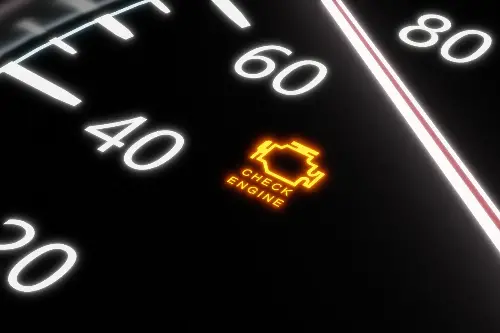
Some warnings serve as reminders or cautions. The check engine light, which can be amber or red, often relates to the engine or exhaust system emissions and requires diagnostics to pinpoint the exact issue. The service vehicle soon light is typically an amber indicator suggesting scheduled maintenance or non-urgent repairs are needed.
Safety Systems Warnings
These are specific to your vehicle's built-in safety features. The airbag warning light should illuminate briefly when you start the car, but if it stays on or comes on while driving, it indicates a fault with the car's airbag system and warrants professional attention. Similarly, if the seatbelt indicator is lit, it could mean that a passenger hasn't buckled up, or there could be a fault with the sensor.
Tyre Pressure Monitoring System (TPMS)
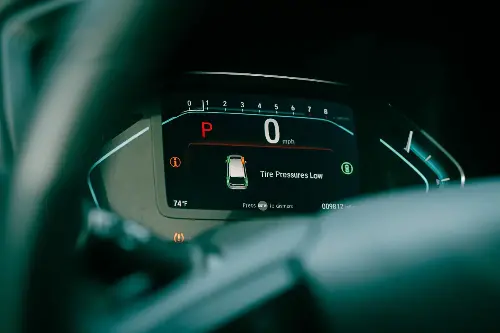
If your vehicle has TPMS and the warning light activates, it indicates that one or more of your tyres is significantly under-inflated, which could affect vehicle handling and potentially cause a tyre failure.
Navigating Minor Indicators
Not all dashboard lights signal impending doom. Your car may simply be informing you of normal functions. For instance, the high beam indicator tells you that main beam headlights are in use. Indicator lights for turn signals are typically green and flash to correspond with the signal.
Components and Fluids Check
For lights related to fluid levels such as engine oil, coolant, or brake fluid, it’s important to check the respective fluids and top them up if necessary. However, frequent top-ups or multiple lights indicating low fluid might suggest leaks or consumption issues that need professional investigation.
The Interpretation of Blinking Lights
A light that blinks rather than stays steady could indicate a more severe issue. For example, if the check engine light is flashing, it could mean there's a critical misfire happening within the engine, and driving further could damage expensive components like the catalytic converter.
When to Seek Immediate Help
If multiple warning lights come on simultaneously, especially if they are red or accompanied by odd engine noises, loss of power, or strange smells, you should pull over safely and turn off the engine. In such situations, consult your vehicle's handbook immediately and call for roadside assistance or a professional mechanic.

Using On-Board Diagnostics
Many modern cars are equipped with on-board diagnostic ports that can provide detailed information about the problem triggering a warning light. A professional mechanic can use a diagnostic scanner to read these codes and get a precise understanding of the issue.
In conclusion, dashboard warning lights serve as crucial indicators of your vehicle's health and operational safety. Knowing what each light means and how to react can help prevent minor issues from escalating into serious problems. Regular maintenance and a responsive attitude towards these alerts will ensure that your journey on the road remains smooth and uninterrupted. Remember, when in doubt, it's always better to seek the assistance of a professional mechanic to ensure your vehicle stays in tip-top shape.