


Sustainable baby care without guilt: diapers, wipes, and laundry choices for a cleaner future
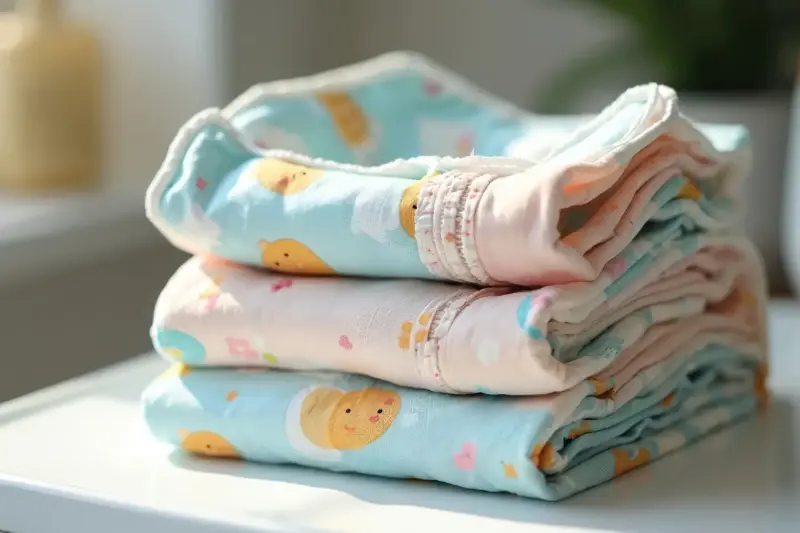
Have you ever paused, nappy in hand, and wondered if today’s change is tomorrow’s problem? In all homes, parents quietly debate the true cost of convenience, one wriggly bum at a time. The truth is both daunting and hopeful: sustainable baby care doesn’t demand perfection - just heart, creativity, and a few simple shifts.
Imagine the late-night hush after a summer thunderstorm, your baby’s skin still cool and drowsy against your chest. Or the gentle glow of a heater on a winter’s morning, when a soft cloth feels like comfort itself. These small rituals, so intimate and fleeting, set the scene for choices that ripple far beyond our own four walls.
Your gentle rebellion: why sustainable swaps matter
New Zealanders throw away over a billion disposable nappies each year - literal mountains of waste, mostly destined for landfills, hanging around long after your little one learns to walk. But guilt doesn’t belong in your nappy bag. The heart of sustainable baby care is not sacrifice; it’s empowerment and kindness.
The benefits bloom in surprising ways:
- Fewer chemicals on your baby’s precious skin
- Less waste (and less stress about it)
- Cost savings that add up over months, not just years
- Calmer skin, even as weather flips from muggy to parched
By choosing with intention, you cradle your baby’s comfort now, and nurture a healthier world for them later.
Not your nana’s cloth nappies: today’s easy alternatives
Forget the pins and boil-washed terries of old. Modern cloth nappies are thoughtfully designed for today’s busy life. Wool covers wick away moisture in stuffy Auckland summers, while bamboo and organic cotton inners offer breathable softness fit for Taranaki winters.
Here’s how real Kiwi parents are making nappy choices less stressful:
- Mix and match: You don’t need to go ‘all in’ on cloth. Many families use cloth at home and disposables on the go. Eco-friendly disposables are now more available, crafted with plant-based materials and less plastic.
- Plan your stash: Start with 12-20 cloth nappies for a newborn, then tailor your collection as you learn your baby’s rhythms.
- Easy to wash: Most modern nappies can be tossed into your regular wash, spritzed with eco detergent, and line-dried for extra sun-freshness. New Zealand’s breezy afternoons turn laundry into a surprisingly meditative ritual.
Bold highlight: Babies who use cloth nappies often potty train sooner, feeling the difference between wet and dry - a small perk with big payoffs for parents and planet alike.
Fresh wipes, gentle skin: smarter ways to clean
Disposable baby wipes are convenient but loaded with preservatives, fragrances, and plastic fibers. Ever noticed how some wipes leave your baby’s bottom red and raw, especially in sticky or chilly weather? The solution is unexpectedly simple - cloth wipes and gentle DIY recipes.
Try this at home:
- Mix cooled, boiled water with a splash of coconut oil and a drop of chamomile tea. Store in a spray bottle.
- Use soft flannel squares or old cotton t-shirts, cut into palm-sized wipes. Moisten, gently cleanse, and pop them in with your next nappy wash.
- For on-the-go, tuck damp wipes in a reusable zip pouch. Add a lavender sachet for a subtle, calming scent.
Key takeaway: Reusable wipes aren’t just green - they’re the gentlest choice for sensitive bums all year round. Less landfill, less irritation, more peace of mind.
Laundry decoded: stress-free routines for tired parents
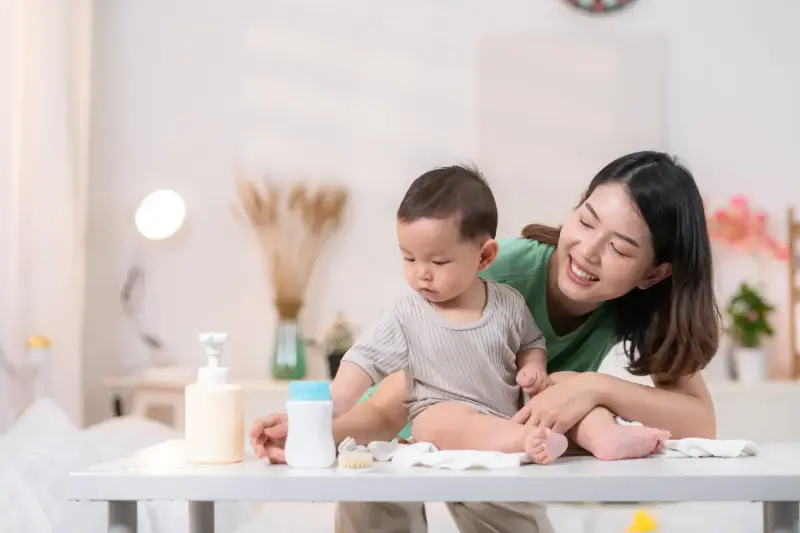
Between humid summer downpours and blustery winter winds, laundry might feel like a never-ending cycle. But sustainable baby care can actually simplify your laundry life, not complicate it.
Low-waste laundering in three fresh steps:
- Pre-rinse or soak soiled nappies and wipes in a sealed bucket to prevent stains and smells.
- Opt for shorter wash cycles with cold or lukewarm water - local eco detergents do the job without harsh chemicals.
- Ditch the dryer when you can. The classic Kiwi hills hoist or a sturdy indoor rack gives nappies that sun-baked crispness, while reducing power bills.
Bonus: sunlight kills bacteria naturally, so your cloth collection stays fresh and ready for another day.
Saving dollars and sense: the quiet benefit
Crunch the numbers, and sustainable baby care truly shines. A one-off investment in cloth nappies and reusable wipes will carry you through not just one, but potentially multiple children. The average Kiwi family spends up to $3000 on disposable nappies and wipes for a single child. Cloth and clever care can halve that, freeing up precious resources for family adventures, rainy day fund jars, or treat-yourself moments after bedtime.
Bright insight: Every switch, however small, sends a tiny message: my choices matter, and so does the world I’m raising my children in.
Soothing baby skin, whatever the weather
Auckland’s steamy summers and Otago’s bracing winters demand a baby care routine that adapts with nature, not against her. The trick? Embrace breathable layers, keep skin clean but not stripped, and trust natural fibres to help regulate temperature.
- Look for merino and bamboo blends - they wick away sweat and insulate in the chill
- Protect delicate skin with light natural oil (like almond or jojoba) after the evening bath
- Change nappies a bit more often on humid days, and use extra lanolin or balm when the wind picks up
- For prickly heat or dryness, let baby spend moments nappy-free, skin to breeze
Scent memory: Imagine your little one’s giggle as they roll on a sun-warmed rug, bare feet kicking, skin calm under care that’s as gentle on the earth as it is on them.
Curious about making the leap? Here’s how to start
Ditching waste isn’t about grand gestures or sweeping rules - it’s about trial, discovery, and a little grace for yourself. If you’re curious to try, why not:
- Join a local cloth nappy library or swap group before buying new
- Test a few days’ nappy-free or cloth-only, and note any changes in skin
- Get the whole whanau involved in folding nappies (toddlers love helping)
- Seek out NZ-made options - better for local businesses, and for the planet
The more you explore, the more you discover the joy hiding in small rituals: the feel of sun-dried nappies, the sweet simplicity of homemade wipes, the confidence in knowing you’re shrinking your family’s footprint, one little change at a time.
A future you can feel in your hands
Perhaps the greatest gift of all is not just less rubbish at the kerb, but a deeper sense of connection - to your baby, your home, and the land you’re both growing into. As you fold the soft cotton, pick out a fleecy nappy for a crisp night, or wipe away the day’s gentle mess, consider the legacy you’re quietly building.
How will your family’s story unfold with each simple, sustainable choice? Could the comfort you nurture today shape the world your child walks in tomorrow? The next move is yours.