


There is something irresistibly alluring about European festivals. Maybe it’s the sense of history that sweeps through cobblestoned squares, the riot of colours parading beneath ancient monuments, or the intoxicating blend of music, food, and laughter echoing beneath midnight skies. For those who live for adventure, a festival can be more than a party – it is an otherworldly experience, a portal to a region’s soul and traditions. Whether you’re drawn by the pull of mythical tales, the euphoria of communal dances, or simply the thrill of the unknown, there’s a European festival waiting to ignite your wanderlust.
A Kaleidoscope Of Tradition: Why European Festivals Are So Unique
European festivals are not simply events—they’re living tapestries woven from centuries of folklore, faith, and artistry. Unlike modern music festivals that focus mainly on performers, most traditional festivals here are rooted in stories: the change of seasons, ancient beliefs, or legendary figures. Over time, these celebrations have blossomed into vibrant spectacles featuring elaborate costumes, symbolic rituals, and spectacular processions.
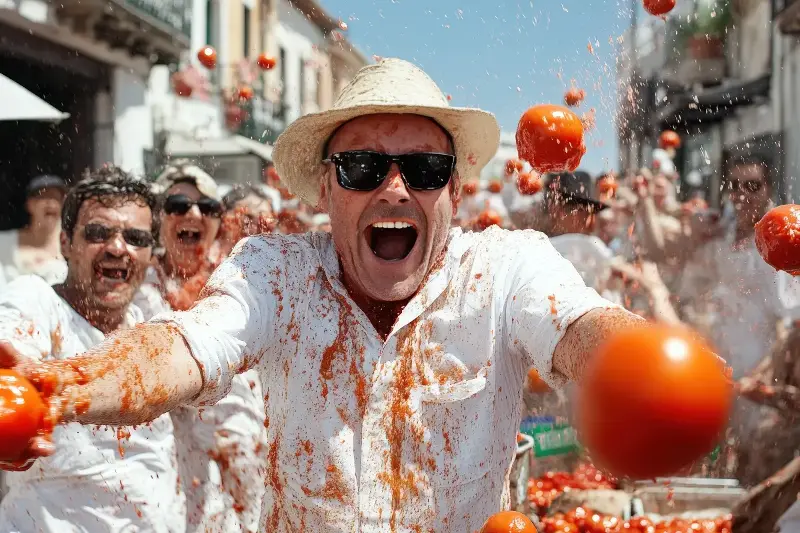
Some festivals, like Spain’s La Tomatina or Scotland’s Up Helly Aa, may look like pure fun, but they’re often steeped in local legends and customs. While the origins may be shrouded in mystery, the collective joy of participation is unmistakable. Whether you’re tossing tomatoes in the Valencian sun or dancing among fire-lit Vikings, you’re becoming part of a narrative that is handed down generation after generation.
Festivals Forged By Fire And Fantasy
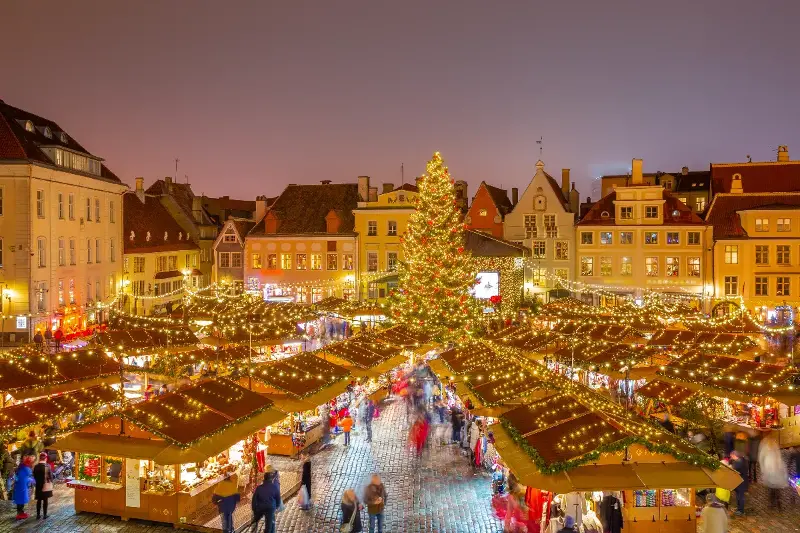
Europe boasts some of the world’s most immersive and fantastical celebrations. In the heart of winter, Tallinn’s Christmas Market turns Estonia’s medieval capital into a snow-globe vision—wooden stalls overflowing with spicy mulled wine, pine-bough decorations, and the glow of fairy lights. The scent of gingerbread lingers as choirs perform carols and storytellers spin yarns to enthralled children in a magical, frozen square that rivals Santa’s own village.
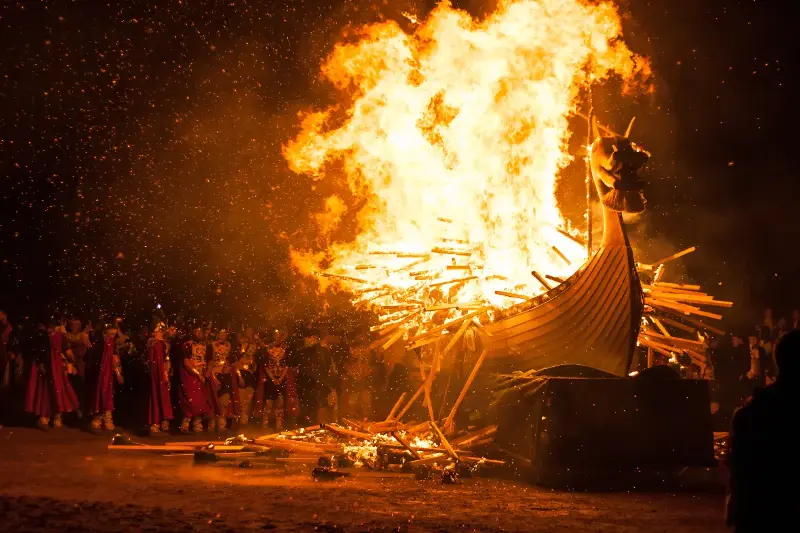
Venture north to Scotland in January, and you’ll find yourself swept up in the heat and drama of Up Helly Aa. This extraordinary festival in Lerwick, Shetland, sees hundreds of “Vikings” in meticulously hand-made costumes marching through the night with fiery torches, culminating in the burning of a ceremonial longship. The spectacle commemorates Shetland’s Norse roots, but even newcomers are welcome to join the after-parties that last until dawn.
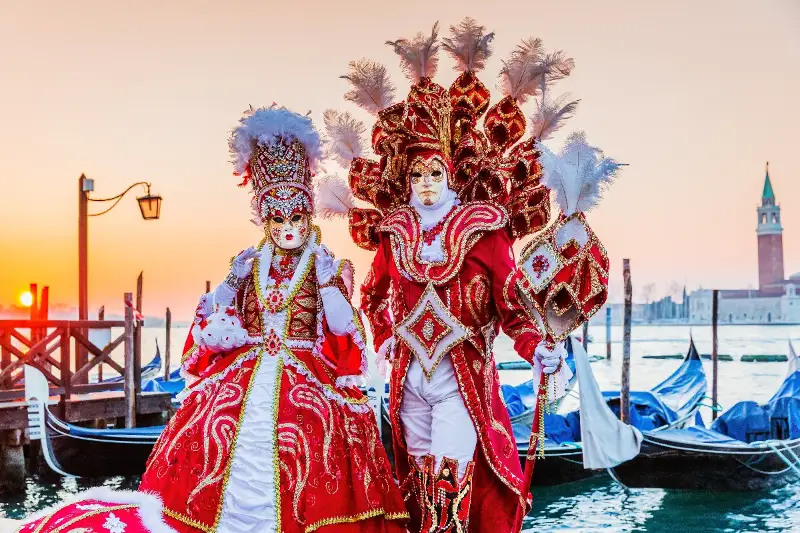
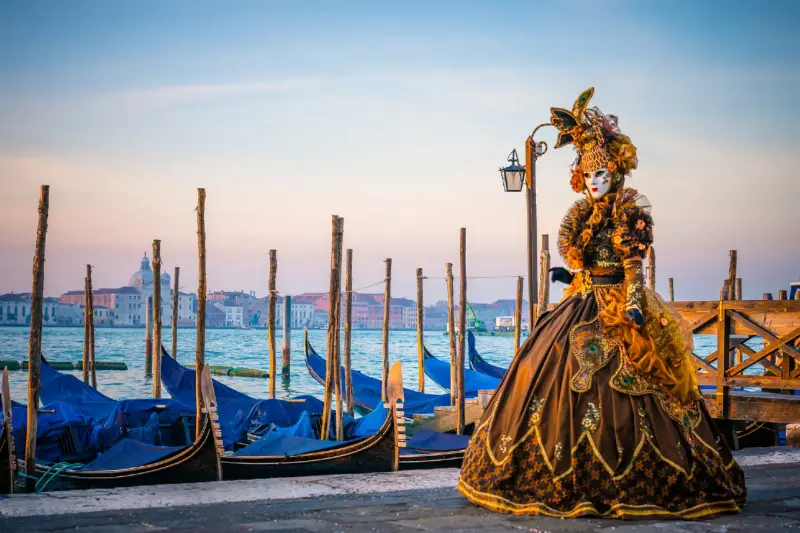
For something truly out of this world, Italy’s Venice Carnival is a must-experience fantasy. Each February, the city appears enchanted: masked revellers glide through foggy streets, their lavish costumes sparkling beneath baroque chandeliers and candlelit palazzos. The tradition of masking started centuries ago when Venetians sought a respite from social hierarchies, giving everyone—local or visitor—a chance to step out of reality and into a dream for a few shimmering days.
A Feast For The Senses: Food, Music, And The Arts
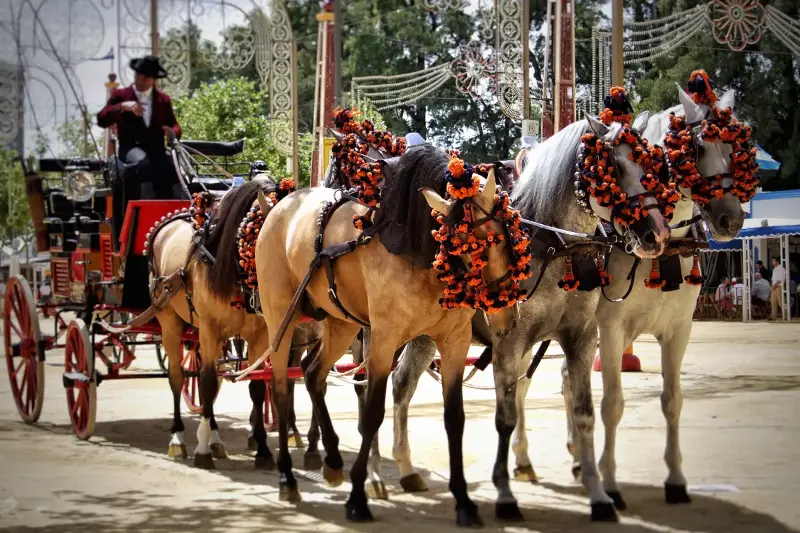
No festival is complete without signature flavours and sounds. In Spain’s Feria de Abril, held each spring in Seville, the city bursts into a blaze of colour. Locals don flamenco dresses or sharp Andalusian suits to dance the ‘sevillanas’ long into the night. Horse parades, dazzling fireworks, and, of course, heaped plates of tapas, sangria, and sweet churros make this celebration a heady delight for the palate as much as the ears and eyes.
Meanwhile, Germany’s Oktoberfest—now replicated worldwide—remains best experienced in its Munich birthplace. What began as a royal wedding party in 1810 has grown into the planet’s largest beer festival, drawing millions. But Oktoberfest is not just about beer tents; it’s about sharing traditions, laugher, folk music, and hearty feasts with friends old and new, beneath huge striped canopies or on fairground rides spinning in the crisp Bavarian air.
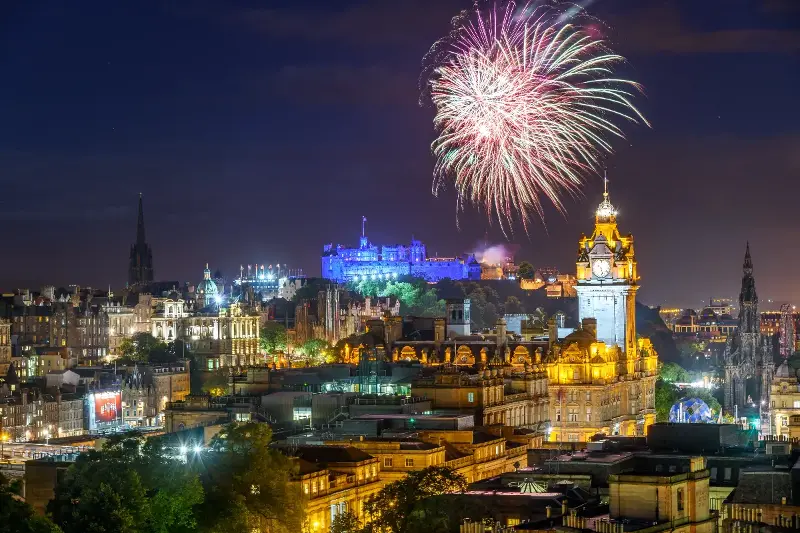
Some festivals are sensational banquets for the artistic soul. The Edinburgh Festival Fringe, held every August, transforms Scotland’s capital into the world’s largest stage. Theatre troupes, comedians, musicians, dancers, and acrobats from every corner of the globe fill pubs, theatres, and even hidden alleyways. The sheer variety and creativity inspire visitors to dive headfirst into performances that range from astonishing to heartfelt, often in the most unexpected settings.
Rituals, Legends, And Moments Of Shared Wonder
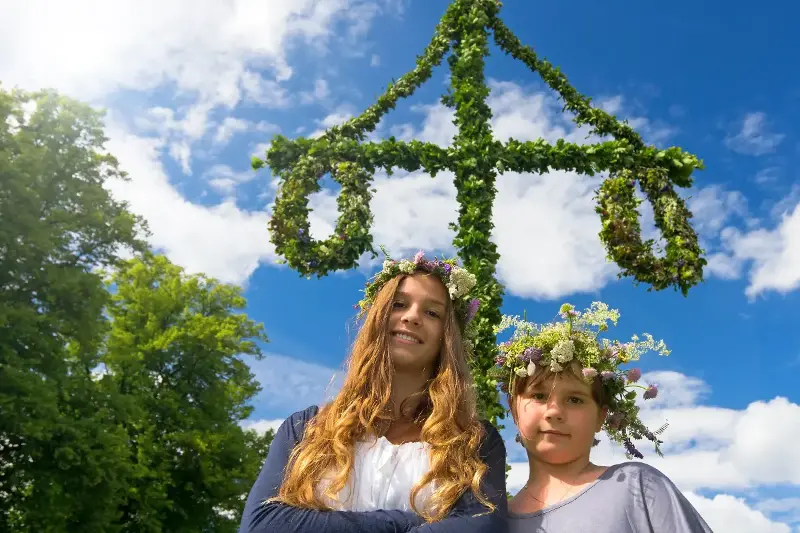
Throughout Europe, many festivals still trace their roots to rituals meant to ensure prosperity, ward off evil, or welcome new seasons. In Sweden, Midsummer’s Eve is marked by the raising of the maypole, wildflower wreaths, singing, and a dizzying whirl of dance as the sun barely dips below the horizon. The air is filled with the scent of fresh-cut grass and wild strawberries, bringing together friends and strangers to celebrate nature’s bounty under a sky that refuses to darken.
In the Spanish town of Buñol, the world-famous La Tomatina is a messy, blushing tribute to communal joy. Every August, thousands descend on this tiny community to fling overripe tomatoes at each other in a good-natured food fight. Despite the chaos, there’s an unspoken camaraderie—a feeling of release and shared laughter that’s impossible to forget.
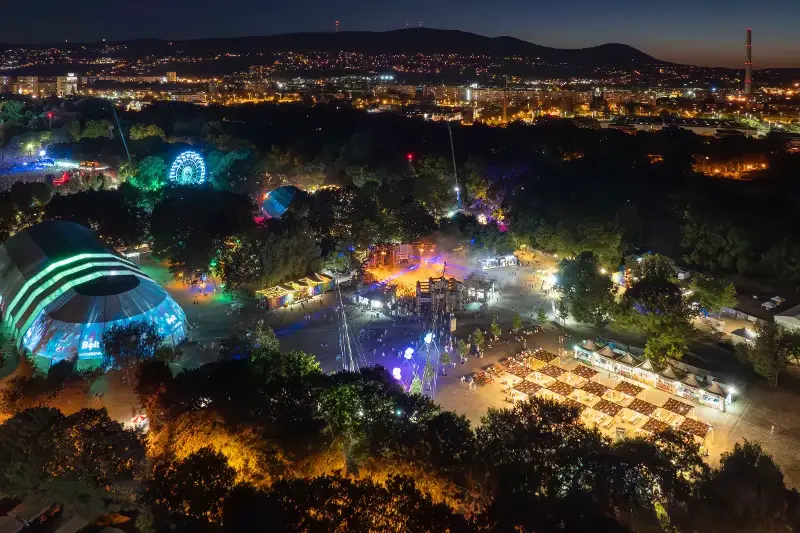
Eastern Europe also harbours wonders. The Sziget Festival in Budapest takes place on an island in the Danube and is known for its free-spirited, bohemian vibe. Originally a student protest in the 1990s, it now attracts hundreds of thousands for a week of music ranging from rock to electronica, immersive art installations, circus performances, and a sense of international unity that’s hard to match anywhere else.
Why These Magical Festivals Should Top Every Explorer’s List
Unlike any guidebook tour or landmark visit, Europe’s festivals let you step inside the living heart of a place—if only for a moment. Here, the lines between traveller and local dissolve, replaced by a sense of participation and connection. Whether you join in the reverie of a Spanish fiesta, the quiet wonder of Scandinavian midsummer, or the dazzling mystery of a Venetian masked ball, you’ll carry those memories wherever you wander next.
So, why not throw on a costume, try out a new dance move, or share a toast beneath a sky of fireworks? Europe’s festivals are more than events; they’re invitations to adventure. Take a leap, and let the magic sweep you away.