



The Art Of Stretching Dough For Traditional Neapolitan Pizza At Home: Unlock the Secrets to True Italian Flavor
Have you ever wondered why the first bite of a true Neapolitan pizza feels like a revelation - light as air yet satisfyingly chewy, with a blistered crust you can’t forget? What if the magic wasn’t just in the ingredients, but in the hands that stretch the dough - and that those could be your hands, right at home?
Imagine the flour-dusted counter, the warm aroma of fresh dough rising under a kitchen towel, and the anticipation that swells as your fingertips dance across the surface of a silken round. In this guide, voi will discover not only the technique behind stretching traditional Neapolitan pizza dough, but the heart and heritage that transform a humble ball of flour and water into an unforgettable experience. Ready to create your own slice of Naples?
Setting the Scene: A Galvanizing Pizza Ritual
Before flour meets fingers, there’s magic in the air - a hush, perhaps, or the playful laughter of friends gathering in your kitchen. The best pizza moments are built on more than recipes; they’re about inviting tradition into your home, savoring the tactile joy of kneading, stretching, and shaping dough as it’s been done for centuries in the shadow of Mount Vesuvius.
By the end of this journey, voi will master the art of stretching Neapolitan dough, unlocking a cornerstone of Italian cuisine with a few graceful hand movements. Whether you’re cooking for family, friends, or simply yourself, this ritual can turn even the most ordinary evening into a mini-vacanza italiana.
The Foundation: The Living Texture of Neapolitan Dough
First things first: traditional Neapolitan pizza dough is alive. Its structure is built on a slow fermentation that yields flavor, aroma, and the light, elastic texture that defines the famous crust. You’ll need:
- tipo “00” flour for silkiness and stretch
- fresh or active dry yeast for just the right rise
- sea salt for depth
- cool water for a gentle fermentation
After mixing and kneading, let the dough ferment for 18-24 hours (preferably overnight) in the refrigerator. Patience here pays off with a structure that’s easy to stretch and rich in flavor.
Why Stretching Matters: More Than Just Shape
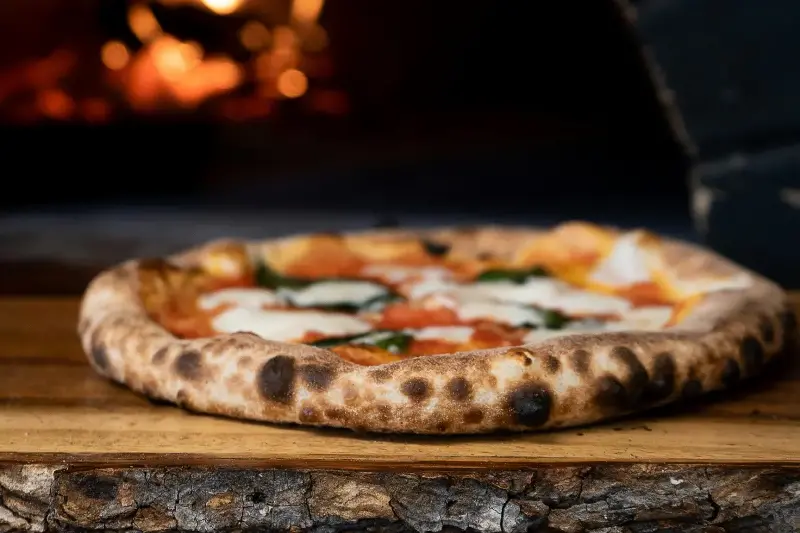
When you stretch - not roll - your dough, you preserve those precious air pockets developed while fermenting. Rolling pins crush them, making the crust dense and heavy. Stretching by hand ensures the cornicione, that prized puffy edge, emerges from the oven golden and cloud-like.
Key insight: Stretching is as much about respect for the dough as about technique. Gentle hands yield a crust with unparalleled character and chew.
Step-By-Step: Master the Stretch
Ready to try it for yourselves? Clear some counter space and follow these steps for perfect pizza dough stretching:
- Start with relaxed dough: Bring your dough to room temperature for at least an hour. Cold dough resists your touch and tears easily.
- Dust wisely: Use just enough flour to keep things from sticking, but not so much that the dough dries out.
- Press from the center: Gently flatten your dough ball with the pads of your fingers, working outward to create a disc, leaving the outer edge thicker for that signature crust.
- Lift and rotate: Slide your hands under the dough, letting it drape across your knuckles, and slowly rotate it, letting gravity aid the stretch. Avoid pulling or overhandling the center.
- Finish on the counter: Lay the dough down and finesse to its final shape. Aim for a round about 10-12 inches, with a plump rim and a paper-thin center that can still support your toppings.
Catch These Common Mistakes
- Don’t rush: Impatience leads to tears or a stubborn dough that snaps back.
- Don’t overload with flour: Too much and you lose the delicate tenderness.
- Don’t patch holes: Instead, restart with a fresh dough ball when needed; it’s part of the learning process.
Sensory Joy: Feel, Smell, Create
Feel the supple bounce as your palms press outward; smell the faint tang of matured yeast; watch as bubbles form at the surface, promising crunch and chew when baked. Stretching dough is an immersive experience - one that invites voi to slow down and savor every step.
Next Steps: Beyond the Stretch
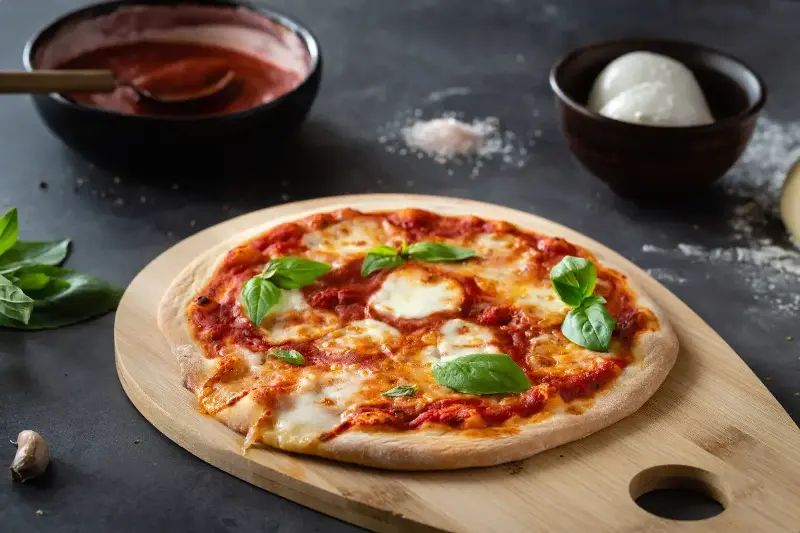
Now that voi have mastered the stretch, transform your canvas with classic Neapolitan toppings: crushed San Marzano tomatoes, fresh mozzarella, basil leaves, and a drizzle of olive oil. Slide it onto a preheated pizza stone or steel in the hottest oven your kitchen allows.
Remember: A beautiful pizza is a living thing - it reflects the care, patience, and creativity you bring to each stage, from mixing to stretching to the burst of flame in the oven.
Final Thoughts: Will Your Pizza Rival Naples?
The answer is delightfully open. With every batch, with each patient stretch, voi grow closer to the heart of Italian pizza tradition. You’ll find your own rhythm, your family’s favorite sauces, and perhaps even new rituals forged by flour and fire. The art of stretching Neapolitan pizza dough at home is an invitation - to nostalgia, to flavor, and to a world where every meal holds the possibility of wonder.
Will your next pizza reach that Neapolitan benchmark? Only your hands, your senses, and your spirit for exploration can decide. Isn’t that the romance of making pizza - and of creating unforgettable moments to share?