


Seed Oil Backlash: Science or Hype? Your Guide to Omega Balancing, Smart Cooking, and Budget Choices
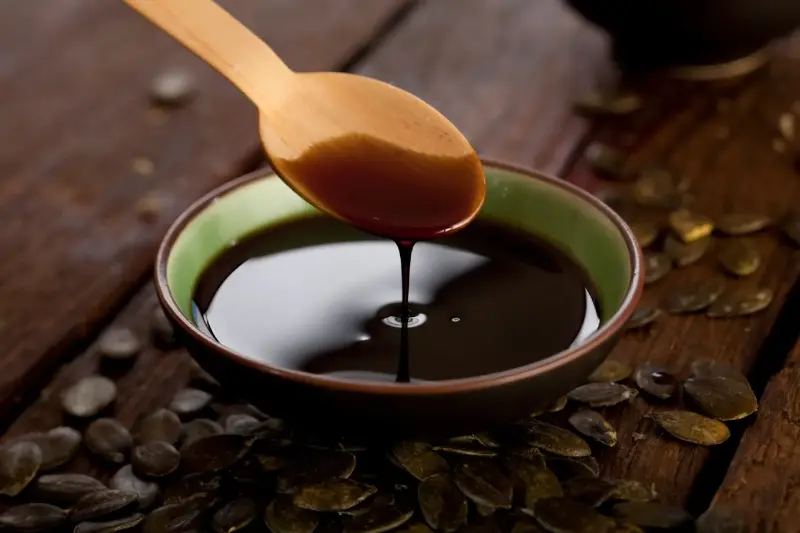
Have you ever wondered if that bottle of canola oil in your pantry is quietly sabotaging your health, or if the online panic over seed oils is just another viral myth? Step into a world where kitchen staples spark heated debates, social media shapes grocery lists, and even the humble salad dressing is caught in the scientific crossfire.
Imagine the comforting sizzle of onions in a hot pan, their aroma wrapping around you like a cozy blanket. Now, picture the uneasy feeling that creeps in after scrolling past videos warning you about “toxic seed oils.” If you’re seeking clarity amid the noise - answers rooted in science rather than fear - you’re in the right place. In this deep dive, you’ll discover what the latest research truly says about seed oils, learn how to balance healthy fats and cook with confidence, and walk away with practical tips for nourishing your body (and wallet) without getting caught in a headline-induced panic.
Seed Oil Controversy: More Than Just a Kitchen Drama
The seed oil backlash isn’t just a fleeting online trend - it’s stirred up passionate opinions on both sides of the health spectrum. Some influencers decry seed oils like canola, soybean, sunflower, and corn as modern poisons, blaming them for everything from inflammation to chronic disease. Others argue that these affordable, versatile oils are safe and even beneficial when used in moderation.
But where does the truth really lie?
Let’s cut through the noise, grounding our conversation in what credible research says, not what’s trending online.
Omega Fats: The Real Balancing Act
At the heart of the seed oil debate is the story of omega-6 fatty acids versus omega-3s. Your body needs both for optimal health, but here’s what’s essential:
- Both omega-6 and omega-3 fatty acids are “essential” - meaning your body can’t make them and needs to get them from food.
- Seed oils tend to be much higher in omega-6 fats, while fatty fish, flaxseed, and walnuts are richer in omega-3s.
- Traditional diets were more balanced, but Western eating patterns often tip the scale heavily toward omega-6, largely due to processed foods.
Key insight: Some observational studies link high omega-6 intake to inflammation, but current scientific consensus suggests that for most people, the real risk is a lack of omega-3s rather than an excess of omega-6s.
For your day-to-day:
- Prioritize adding more omega-3-rich foods (like salmon, chia seeds, or walnuts) to tip the scales back.
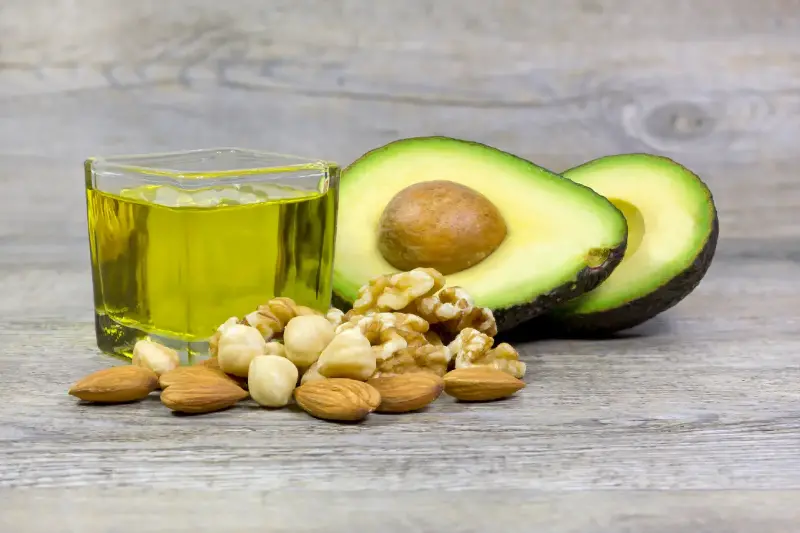
- You don’t have to banish seed oils. Instead, use a mix of fats - olive oil, avocado oil, butter, and yes, even canola - to broaden your nutrient intake.
Smoke Points Unpacked: Sizzle Safely, Savor Fully
Let’s talk about something you can instantly control: how you cook with oil.
Ever noticed a burnt smell as your veggies fry on high heat? That’s your oil’s smoke point waving a white flag. When oil overheats, it not only loses nutritional value but can also form compounds best avoided.
Here’s a quick cheat sheet to keep your kitchen delicious and safe:
- Extra-virgin olive oil: beautiful for drizzling, roasting, and low to medium cooking. Its bold, grassy notes elevate salads and pastas.
- Avocado oil: superstar for high-heat searing or grilling - mild and buttery, with a smoke point that lets you push the heat.
- Canola or sunflower oil: budget-friendly for everyday sautéing and baking, with a neutral flavor that lets ingredients shine.
- Butter and ghee: add rich, irresistible depth to sauces and baked treats, but watch those temps to avoid burning.
Tip: Rotate your oils based on the flavors you crave and the temperatures you need. No single oil holds all the magic.
Budget Wisdom: Real-Life Choices Amid Wellness Trends
You might be thinking, “fancy oils sound lovely, but my grocery budget says otherwise.” The good news? Science supports a sensible, flexible approach rather than strict dogma.
- Use olive or avocado oil where their flavors star, like salads or finishing drizzles.
- For baking or high-quantity cooking, canola or sunflower oil remains a practical pick, providing heart-healthy fats without breaking the bank.
- Save specialty oils, like walnut or sesame, for occasional flavor bursts rather than everyday frying.
Highlight: The real power for your health lies in the overall quality and variety of your diet - lots of plants, whole grains, lean proteins, and different fats - more than any single oil choice.
Don’t Fall for Viral Detoxes or Oil Purges
Every Instagram scroll seems to offer a new “cleansing” trick or a warning to trash all vegetable oils. Here’s what credible nutrition experts want you to know:
- There’s no solid scientific base for claims that seed oils are inherently toxic or that you must detox after eating them.
- Fully cutting out seed oils can make balanced eating harder and more expensive, and offers little proven benefit for most people.
- Focusing on whole foods, reducing ultra-processed snacks, and enjoying a rainbow of fresh ingredients will take you much further than demonizing a condiment.
Savoring Food, Nourishing Confidence
Picture your next meal - maybe it’s a sizzling piece of fish finished with a squeeze of lemon and a drizzle of olive oil, or a batch of golden-roasted potatoes crisped in canola. Let yourself enjoy those moments. Food is more than fuel: it’s a source of pleasure, connection, and cultural memory.
The true wellness secret? Making choices from a place of empowerment, not fear.
If it fits your taste buds, lifestyle, and budget - and adds color and joy to your table - it belongs in your kitchen.
In a Nutshell: Striking the Right Balance
- No oil is pure magic, and none is pure evil.
- Prioritize variety - mix your fats, favoring those rich in beneficial monounsaturated and omega-3 fatty acids.
- Respect your taste and budget: use oils that fit your recipes and your wallet.
- Chase the vibrant colors and bold flavors of whole foods, and let oils be just one delicious part of that palette.
The Bottom Line: Unraveling the Hype, Embracing Variety
As you sift through the endless stream of nutrition headlines, remember: your kitchen decisions matter most when rooted in curiosity and confidence, not fear. Trust your senses, experiment with new flavors, and don’t let viral trends steal the simple pleasure of sharing good food.
What small experiment can you try tonight - a new oil, a new recipe, or simply savoring the foods you already love? Your kitchen is the laboratory, and you’re the head scientist. Isn’t it time to cook up your own delicious wisdom?