


How Do the Rice Terraces of Banaue in the Philippines Defy Imagination?
Have you ever wondered what a landscape sculpted entirely by human hands over two millennia looks like? Or how it feels to stand on the edge of living history, high in the clouds, where every step echoes with ancient wisdom? The rice terraces of Banaue in the Philippines aren’t just one of Asia’s unsung wonders - they’re an invitation to see the world, and humanity, with fresh eyes.
Step Into a Green Dream
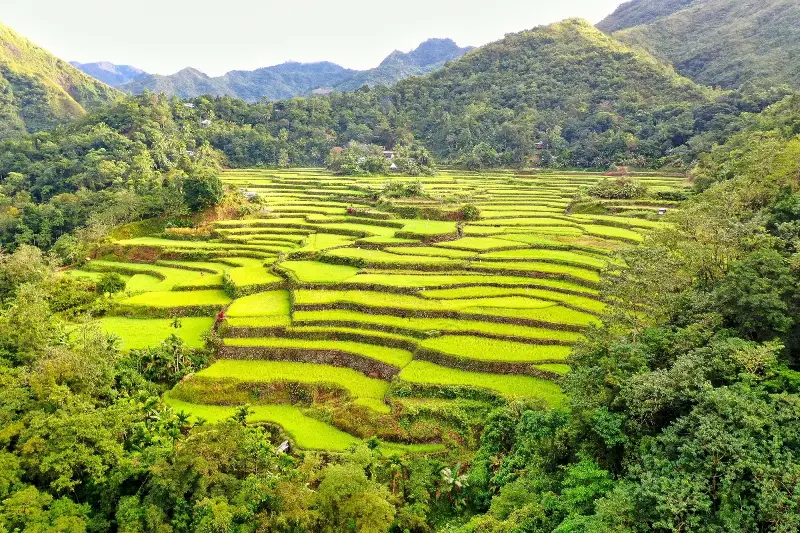
Imagine waking before dawn in the heart of Luzon. Mist clings to the mountains, draping everything in a shroud of mystery. As sunlight breaks over steep ridges, an otherworldly tapestry emerges: countless emerald steps, curving and rising in patterns that seem too perfect, too harmonious to be anything but a trick of the mind. Welcome to Banaue - a place where imagination falls short, and only presence will do.
In this article, voi will be whisked into the story of a landscape that challenges belief, discover what makes the Banaue rice terraces so extraordinary, and gather more than a little inspiration for your next adventure. Curious? Brace yourself.
Millennia of Marvel: Ancient Engineering Beyond Belief
Let’s get straight to it. The Banaue rice terraces were built over 2,000 years ago by the Ifugao people, using nothing but hand tools, communal knowledge, and an unbreakable tie to the land. Without advanced machinery, they shaped entire mountainsides.
Here’s why this is breathtaking:
- The terraces rise at dizzying elevations - up to 1,500 meters above sea level
- They stretch across roughly 4,000 square miles
- Stone walls and mud loam are carefully layered to prevent collapse, using ancient irrigation methods that still work beautifully today
Every stone tells a story, every step reveals a century of resilience. Walking these terraces, voi is literally tracing the path of heritage.
Nature and Humanity: A Partnership Like No Other
Most cultural landscapes show off human ingenuity or nature’s artistry. In Banaue, the two are inseparable.
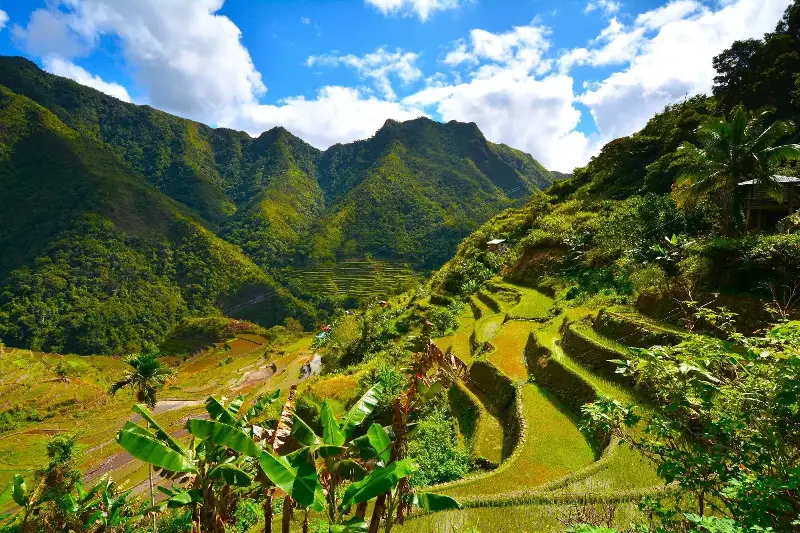
- Irrigation systems channel pure mountain springs down through terrace after terrace, nurturing rice fields all year round
- The lush green of new rice gives way to gold at harvest, cycling with the seasons in a visual symphony
- Wildlife finds sanctuary in the forested slopes, echoing the Ifugao people’s respect for their environment
It’s as if the mountain and its caretakers have entered into a silent, enduring contract. Harmony isn’t just an idea here - it’s visible, audible, and alive in the air.
Cultural Riches: More Than Meets the Eye
Think the terraces are just about rice? Think again.
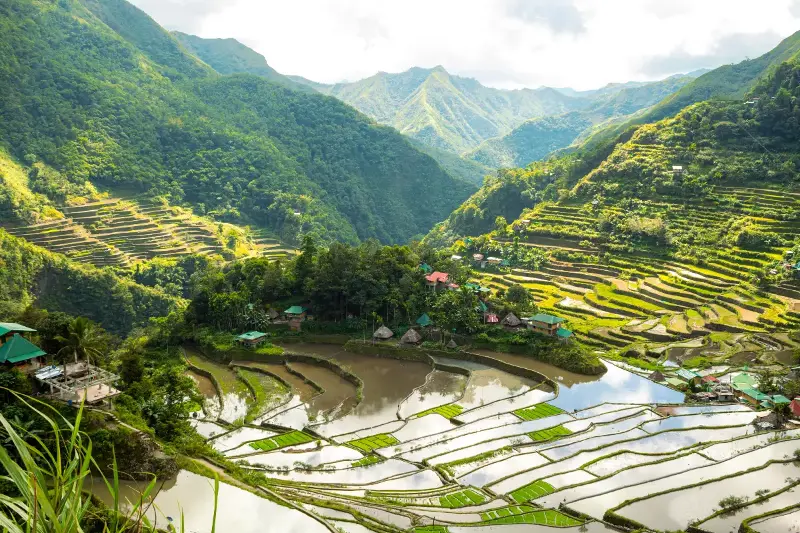
Banaue is a living museum. Villages clinging to the hills pulse with tradition. The Ifugao culture remains vibrant, celebrated in festivals, ritual chants, and handwoven textiles that seem to trap the mountain mist itself.
- Houses are perched on stilts - ingeniously practical, strikingly elegant
- Home-cooked meals overflow with flavors unique to the heights: sticky rice, forest mushrooms, and delicate freshwater fish
- Ifugao woodcarvings hold stories in every detail, often passed down through generations
For travelers seeking more than photo opportunities, the terraces invite voi to listen, learn, and connect.
Moments That Stop Time
There’s something about Banaue that slows the pulse and sharpens the senses. What might it be?
- Morning fog drifting through ancient stonework, softening everything until it feels like a dream
- The sound of laughter from children skipping down impossibly steep paths
- Sunsets that blaze orange and pink, mirrored in flooded paddies, so bright they look unreal
These aren’t the moments you find in guidebooks - they’re gifts for those willing to wander and wonder.
Is It Worth the Journey? Absolutely
Reaching Banaue isn’t swift. The winding road from Manila can take eight to ten hours. But here’s what makes every twist and turn worth it:
- You witness a way of life few outsiders ever see
- You learn the true meaning of sustainability, practiced centuries before it hit Instagram
- You become a part of a living lineage, if only for a brief, unforgettable time
Travel Tips for Adventurers
- Best time to visit: March to May for lush fields; June or December for local festivals
- Stay in family-run guesthouses for a genuine welcome
- Hire local guides - your journey will be richer for it
Leaving With More Than Memories
As the sun dips behind those ancient terraces, it’s hard not to feel changed. Banaue quietly reshapes voi, gently challenging your sense of wonder and place in the world.
So, will you answer the call of the rice terraces, climb their green stairways, and see for yourself how human hands and wild earth can craft miracles together?
Sometimes, the greatest journeys don’t just transport us to new places - they expand the limits of what we imagine is possible. What other wonders are out there, waiting for you to look beyond the map?