


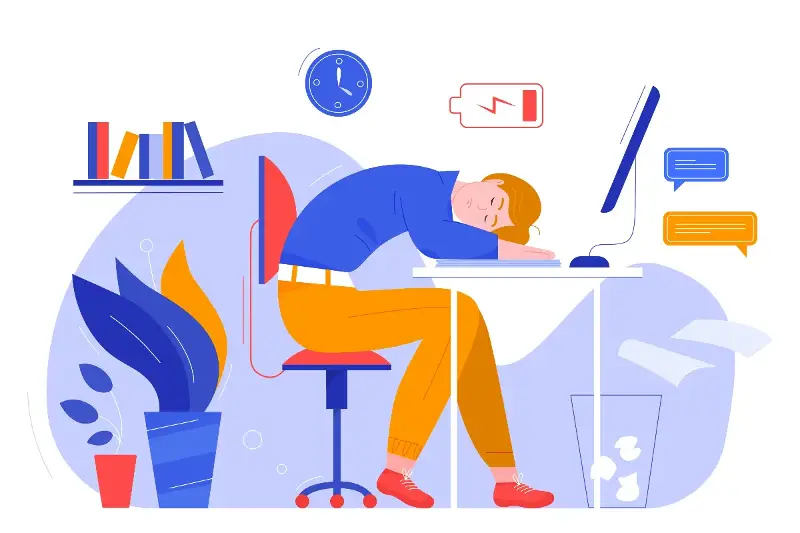
The hidden costs of sitting: More than you think
For the millions tethered to desks during the workweek, the sensation of being utterly drained by mid-afternoon is all too familiar. At a glance, office work seems less taxing than physical labor, but science suggests otherwise. Extended periods of sitting come with hidden physiological costs that sap both body and mind. While your chair might seem comfortable, it can actually be one of the biggest culprits behind your daily energy slump.
What really happens when you’re glued to your chair for most of the day? Prolonged sitting leads to slower blood circulation and reduced oxygen flow to your brain and muscles. This, in turn, means:
- Less energy production at the cellular level
- The onset of muscle stiffness and joint discomfort
- “Brain fog” caused by decreased mental alertness
It’s not just about feeling achy—your body’s very systems are functioning below their best, which can contribute to that sense of being completely wiped out before lunchtime even arrives.
Screen time: eyes, brain, and the exhaustion equation
At the heart of every modern office, screens dominate our attention. Hours of staring at computers, tablets, and phones force the tiny muscles in our eyes to work overtime, often leading to digital eye strain, or what experts call computer vision syndrome. Symptoms include:
- Dry, irritated, or watery eyes
- Headaches and blurred vision
- Trouble focusing
But the effects go far beyond the eyes. The blue light from screens can disrupt your natural sleep-wake cycle by interfering with melatonin production, setting you up for grogginess that lingers well into your next workday. Coupled with the cognitive demands of multitasking between emails, meetings, and spreadsheets, your brain can enter an early state of fatigue—no heavy lifting required.

The stress factor: Why open-plan offices aren’t always uplifting
You might not realize just how much subtle noise and constant distraction take a toll on your mind. Open-plan offices and barrage of notifications create a perfect storm of interruptions. Research shows that:
- It can take up to 23 minutes to fully refocus after a distraction
- Chronic stress from noisy environments elevates cortisol (the stress hormone), undermining your ability to concentrate
The result? A stressed brain that’s always on high alert, using up precious mental energy meant for creative and productive work.
Movement matters: The surprising power of mini-breaks
One of the simplest solutions for the office energy crisis is regular movement. Microbreaks—standing, stretching, or walking for just 2-3 minutes every half hour—are shown to:
- Increase blood flow and oxygen to the brain
- Reduce feelings of fatigue and lethargy
- Improve mood and motivation
Organizations that actively promote walk-and-talk meetings or encourage employees to move see significant improvements in alertness and productivity.

Food, fluids, and focus: What’s really fueling your afternoon crash
It’s more than desk habits—what and how you eat (and don’t drink) plays a huge role. Those pastry temptations or back-to-back coffees might provide a quick boost but can trigger energy crashes later. Staying hydrated is just as important; even mild dehydration diminishes focus and ups tiredness. To keep your energy engine running smoothly, consider:
- Choosing whole grains, lean proteins, and snacks rich in fiber
- Drinking water regularly, not just when thirst strikes
- Watching caffeine intake to avoid post-caffeine crashes
Rethinking how we work
Why do office workers look drained so quickly? It’s not a lack of toughness; it’s the cumulative effect of sedentary habits, digital overload, environmental distractions, and lifestyle choices at play. As we learn more about how our workspaces affect our well-being, new possibilities arise for designing workdays that energize instead of exhaust. Perhaps the next time you catch yourself (or your colleague) stifling a yawn by 10 a.m., it’s the perfect invitation to stand, stretch, and question what work could feel like if we truly prioritized wellness at its core.