


Every corner of our planet is bursting with vibrant traditions, colourful processions, and unique rituals that express the soul of its people. While icons like Rio’s Carnival or Munich’s Oktoberfest often make the headlines, countless lesser-known festivals dot the calendar, promising transformative experiences, heartfelt encounters, and once-in-a-lifetime stories. For those eager to journey beyond the obvious, let’s lift the veil on a few enchanting celebrations the world secretly cherishes.
Mysterious Lights And Ancient Rhythms: The Taunggyi Balloon Festival (Myanmar)
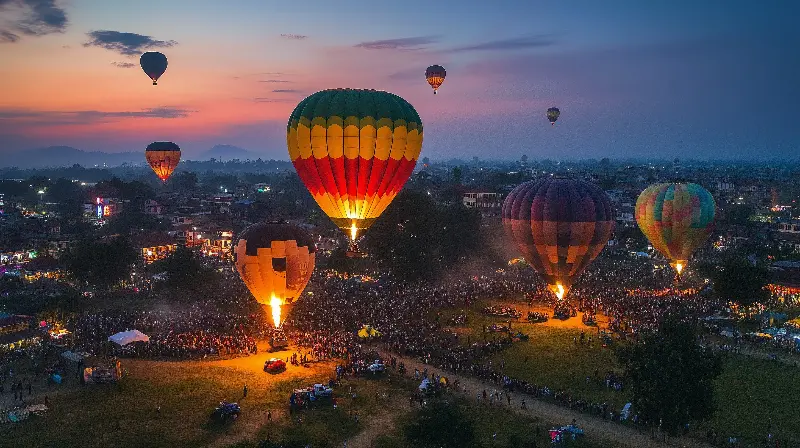
High in the Shan Hills of eastern Myanmar, the night sky comes alive each November during the Taunggyi Tazaungdaing Festival. This isn’t just your typical lantern release. Locals craft intricate hot air balloons, often shaped like mighty dragons, fierce tigers, or elaborate giant roosters, and fill them with fireworks. As darkness falls, these magnificent creations are set aloft to the delight—and occasional terror—of thousands. Spectacular displays of light erupt on cue, showers of sparks raining across open fields, as teams compete to build the most mesmerising airborne masterpiece.
What makes Taunggyi special is both its community spirit and its wild unpredictability. The festival marks the end of Buddhist Lent, blending piety with pure adrenaline as the crowds cheer the bravery (and sometimes the danger) of each launch. It is a surreal scene—equal parts beauty and chaos—that you’d struggle to find anywhere else.
Colour, Water, And Merriment: Songkran’s Mellow Cousin In Laos
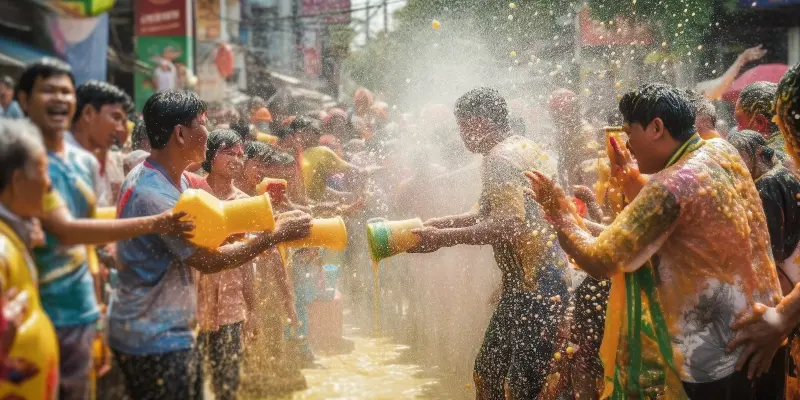
Most have heard of Thailand’s Songkran—famous for super-soaked water battles. Yet across the Mekong, the Lao New Year, or Pi Mai, brings its own flavour of celebration. In Luang Prabang, UNESCO World Heritage streets transform into a three-day spectacle of water and joy each April. Locals line the roads with buckets and garden hoses, drenching passers-by in a ritual believed to wash away last year’s misfortunes.
But here, there’s a gentler pace. Ancient ceremonies take centre-stage: Buddha statues are gently bathed in perfumed water, sand stupas are constructed along the riverbanks, and traditional dances grace local temples. As dusk falls, lanterns are floated onto the river, wishes whispered to the moonlit currents. There’s laughter, music, and the subtle grace of a culture in harmony with its roots.
Dances With Horses: The Transhumance Festival In Spain
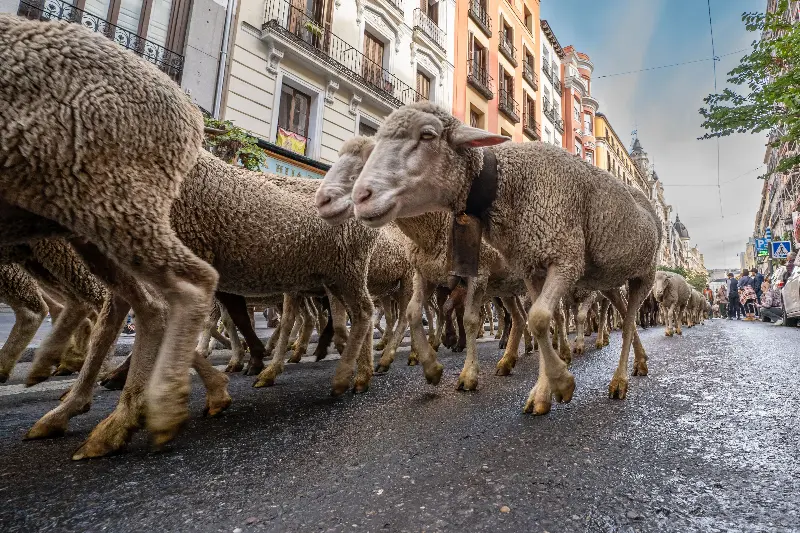
In Andalusia’s Grazalema mountains, the turning of the seasons sparks an age-old journey known as “la trashumancia”. Each June and October, villagers don traditional garb and accompany vast herds of sheep and goats along historic drover’s roads. It’s a theatrical migration, praised by UNESCO as an intangible cultural treasure.
The main event is much more than mere livestock herding. Villages erupt in impromptu dancing, the clatter of castanets, and feasts fuelled by pungent sheep cheese and hearty red wine. Horses decorated with ribbons and flowers lead the columns, while families gather for open-air celebrations, sharing meals and stories under the Spanish sun. To witness transhumance is to see how nature and culture intertwine, a living reminder of a rural Europe that thrives against the odds.
Whispering Winds And Painted Faces: The Gerewol Festival Of Niger
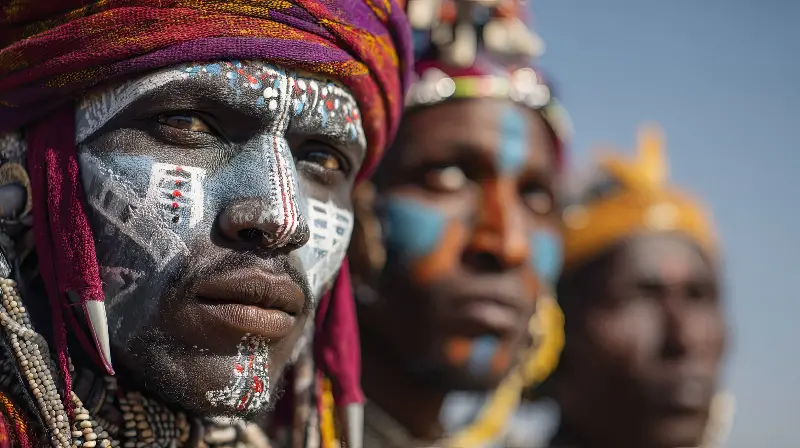
In the remote grasslands of Niger, the nomadic Wodaabe people host one of the world’s most dazzling courtship rituals every September. The Gerewol festival is a celebration of beauty—male beauty, in particular. Young men spend hours preparing elaborate costumes, painting their faces in ochre, yellow, and white, accentuating long noses and luminous eyes.
The highlight is the Yaake dance, a hypnotic line-up where the men sing, sway, and flutter their eyelids in order to impress marriageable women, who judge the winners. Behind the festivity is a poignant sense of tradition, identity, and resilience. The festival takes place under the open Sahelian sky, carrying with it tales as old as the winds—a sight few outsiders have ever witnessed, but no one forgets.
Light Over The Mountains: Tihar In Nepal
