


In kitchens great and small, a quiet revolution is underway. Across continents and cultures, visionary chefs and home cooks alike are transforming the humble contents of the pantry into culinary masterpieces. This is no mere cooking—this is alchemy. From Italy’s rustic bread reborn as liquid gold, to Japan’s mystical miso, and the majestic transformation of French onions into sweet, caramelised bliss, the world’s culinary alchemists prove that greatness is often crafted from the most unremarkable beginnings.
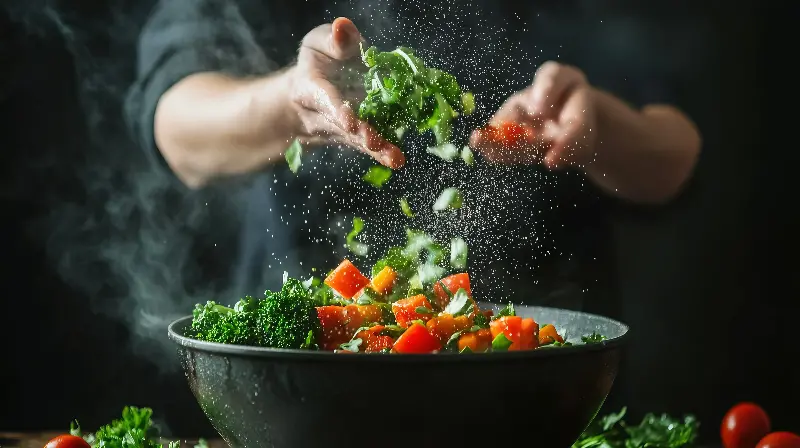
The Art of Elevating the Humble Ingredient
The magic of culinary alchemy begins with the unexpected. Ordinary foods—blemished tomatoes, stale bread, root vegetables, even overlooked peels—become the building blocks of something extraordinary. The secret? An open mind, a touch of creativity, and a deep respect for tradition.
Take the Italian panzanella salad, for example. It started as a clever way to use up old bread and overripe tomatoes. With a drizzle of olive oil, a splash of vinegar, and a sprinkle of basil, these simple ingredients are transformed into a refreshing dish celebrated across Tuscany. Similarly, French cooks have long revered soup à l’oignon, coaxing sweetness from the most basic of onions through slow, patient caramelisation before finishing the soup with a gratinéed cap of cheese and bread.
Japanese cuisine offers its own masterstrokes. Here, miso—a paste made from fermented soybeans—elevates clear broths and vegetable dishes to umami-rich delights. What appears modest is, in fact, the result of months (sometimes years) of patient nurturing, a true alchemist’s touch.
Global Gold: Turning Basics Into Treasured Flavours
Across the globe, ingenuity rules the kitchen. In the Middle East, za’atar is a reminder that wild herbs from the hillsides mixed with toasted sesame seeds and sumac can evoke memories of home and deepen the flavour of plain bread or labneh. Spain’s legendary tortilla de patatas celebrates the humblest ingredients—eggs, onion, and potatoes—pressed into a golden cake. Home cooks in India masterfully coax lively curries from pantry basics, layering aromatics and spices with a careful hand.
Fermentation is another trick of the trade, and nowhere is this more clear than in the kitchens of Korea. Here, kimchi is created from cabbage and radishes through a carefully watched process of salt, chilli, and beneficial bacteria. The result is an explosive taste—fiery, sour, and addictive—that has travelled far beyond Seoul, giving zest to dishes from tacos to burgers.
Moving east, Thai cooks are renowned for conjuring balance and complexity from their most basic larder items. The famous som tam (green papaya salad) brings together tart lime, fiery chilli, salty fish sauce, and sweet palm sugar for a dish that electrifies the palate. Meanwhile, the Vietnamese bánh mì sandwich owes its cult status to its fusion of crusty bread, tangy pickled vegetables, and aromatic herbs, all raised from mere street food to culinary stardom.
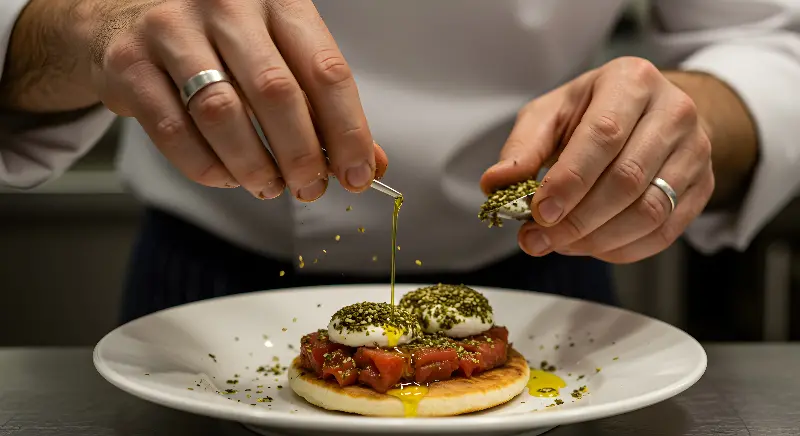
Culinary Techniques: The Magic Is in The Method
It’s not just the ingredients that matter—it’s also the method. Techniques play a defining role in this transformation from ordinary to extraordinary. Roasting, fermenting, slow-cooking, smoking, curing, and even molecular gastronomy find their champions in kitchens everywhere.
Consider the discipline of French confit, where duck legs are slowly cooked in fat, which renders them sumptuously tender and rich. Or the transformative Japanese technique of tempura, which flips fresh vegetables or prawns into crisp, delicate jewels by using ice-cold batter.
Modern gastronomy has expanded the repertoire even further. Spherification—turning liquids into spheres that burst in the mouth—has taken the essence of ripe tomatoes or zesty citrus and made them into edible pearls. This marriage of science and artistry has inspired a new generation of culinary magicians.
Cultural Practices: Food as Story and Identity
These culinary techniques are not just skills; they are bearers of memory and identity. Each transformation tells a story—not only of survival and ingenuity but also of celebration and pride. In Mexican homes, old maize is reborn as tamales, filled with whatever the kitchen can spare. In Ethiopia, injera is made from fermented teff flour, its spongy texture crafted over time and shared at festive gatherings.
Passing down these techniques is as vital as the transformations themselves. Each generation learns not only the "how" but the "why"—the stories of family, hardship, migration, and joy, woven into every stirring, grilling, pickling, and plating.

From Ordinary to Extraordinary: The Real Gold
What unites these culinary alchemists is a belief worth celebrating: that the true gold in gastronomy lies not in rare ingredients or expensive equipment, but in the mind and hands shaping the meal. With respect for their roots and an appetite for creativity, cooks worldwide continue to find treasure hidden in plain sight.
The next time you crack an egg, chop a carrot, or slice into a loaf of yesterday’s bread, remember the quiet magic of transformation that awaits. In kitchens, from bustling city flats to rural hideaways, the extraordinary is always within reach—and in every bite, a little edible gold.