


Unlocking dolphin conversations: what the latest research reveals about animal intelligence and our surprising emotional connection
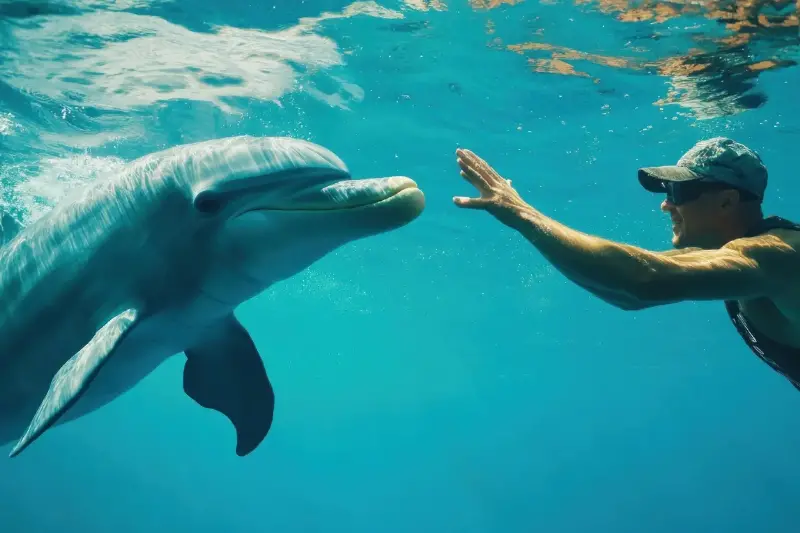
Have you ever wondered if dolphins are trying to talk to us, not just for fish, but as friends, partners, or even teachers from the ocean’s hidden world? Imagine swimming in turquoise water, feeling a gust of bubbles and hearing high-pitched clicks. Suddenly, you realize dolphin conversations have more depth and purpose than we ever dreamed. This isn’t fantasy - groundbreaking studies are showing that dolphin communication is far more intricate, and their emotional bonds with humans even deeper, than we previously thought.
If you’re ready to dive into a sea of unexpected insight, join me as we unlock what science is discovering about these astonishing creatures. By the end, you might start to see dolphins not just as animals, but as intelligent beings who can teach us about empathy, cooperation, and the mysterious threads that connect all living things.
Inside the dolphin mind: why they’re not just whistling for attention
Picture yourself on a sun-dappled boat, watching dolphins arch through the waves. You might notice their signatures: graceful leaps, bubbling giggles, and clusters of clicks and whistles that seem almost musical. But what if those noises aren’t random? What if each sound carries the weight of identity, intention, or even affection?
Researchers at places like the Sarasota Dolphin Research Program and universities across the globe are decoding what’s often called “dolphin speak.” Here’s what they’re finding:
- Signature whistles are like dolphin names: Each bottlenose dolphin, for instance, develops its own individualized whistle, easily recognized by family and friends. Dolphins even mimic these whistles to call to each other across distances, much like calling out a friend’s name in a crowd.
- Clicks aren’t just for sonar: While dolphins use echolocation to hunt and navigate, recent studies suggest these clicks shift patterns when dolphins interact playfully or cooperate on tasks. It’s as if they're blending utility with real social nuance.
- Communication can be coordinated: Dolphins collaborate in the wild using sounds, body language, and synchronized movement, sometimes planning complex hunting strategies or social displays. In lab observations, pairs have been seen solving puzzles - and scientists note that their vocalizations intensify before a breakthrough, almost like pep-talks between teammates.
Emotional intelligence beneath the surface
Perhaps most fascinating is that dolphins appear to experience and express emotions in ways uncannily similar to ours. Imagine a mother dolphin cradling her newborn, emitting soft whistles. Or picture dolphins reuniting after months apart, swimming side by side in clear, swirling patterns that researchers liken to human hugs.
New research is turning up emotional parallels that feel remarkably close to home:
- Social grieving: In touching displays, dolphins have been observed supporting injured or dying pod mates, staying close, vocalizing, and even carrying them to the surface for air. These behaviors suggest a profound sense of loss and communal care, not just instinct.
- Joy and play: From surfing the wakes of boats to playing with jellyfish hats, dolphins invent games and share them across generations, a hallmark of advanced emotional and cognitive development.
- Empathy in action: Dolphins have been known to help other species, including humans in distress, guiding swimmers back to shore or fending off sharks. Scientists propose these acts aren’t just accidents, but real empathy - a capacity to understand and respond to the needs of another.
The human-dolphin bond: more than a friendly face
It’s one thing for dolphins to talk to each other, but what about crossing the species divide? Recent studies spotlight stories that blur the line between animal and human:
- Personal connections: Trained dolphins recognize their human handlers as unique individuals and respond differently to familiar voices, gestures, and moods. Some dolphins even develop preferences, seeking out certain humans to spend time with or to assist during team exercises.
- Healing relationships: Dolphin-assisted therapy, though controversial and still debated in scientific circles, has yielded remarkable anecdotes of emotional breakthroughs. Children with autism, for example, sometimes form unexpected bonds, with dolphins responding gently and attentively to body language and emotional cues.
- Learning together: Projects teaching dolphins simple artificial languages have found the animals not only grasp new symbols but also sometimes innovate, rearranging “words” to create new meanings. This hints at the tantalizing potential for shared understanding.
Why dolphin intelligence matters to us all
If all this sounds marvelously complex, that’s because it is. But why should you care about dolphin intelligence and emotional lives?
- A mirror for self-reflection: Dolphins force us to question what makes us human. Is it language, empathy, or community? If another species shares these gifts, can we continue to assume ours are unique?
- Guardians of the ocean: Highly intelligent animals often serve as “indicator species.” The health of dolphin populations can signal the wellness of entire marine ecosystems. Protecting them means protecting our planet’s blue heart.
- Building a bridge: Deepening our understanding creates opportunities for richer, more respectful relationships with the animal world. The more we listen, the more we find ourselves part of a shared story.

Dolphin encounters: seeing, hearing, feeling
For those lucky enough to witness dolphins up close, the experience lingers like salt on skin after a swim. There’s the thrill of hearing a sharp whistle echo underwater, or witnessing the flash of a dolphin’s eye - bright, curious, alive with awareness. The air feels charged with a sense of possibility, as if at any moment, secrets might be revealed.
Want to connect with dolphins more deeply, even from afar? Consider these tips:
- Watch documentaries like “Dolphin Reef” or “The Cove” for an intimate look into their world and the challenges they face.
- Listen to dolphin recordings online. Close your eyes and let the maze of clicks and whistles wash over you - can you imagine what they might be saying?
- Support conservation organizations that advocate for dolphin habitat protection, research, and ethical ecotourism.
Final reflections: dolphins, us, and the language of connection
Dolphins remind us that intelligence can come in unexpected forms, and that communication doesn’t stop at words. Their unique blend of playfulness, empathy, and camaraderie opens a window into both the ocean’s mysteries and the hidden emotional lives of other beings.
So the next time you hear a distant splash or catch a whisper of dolphins in the wild, you might find yourself wondering: what can I learn from their songs? What worlds of wisdom are waiting - just beneath the surface, ready for us to listen?
Perhaps the true frontier isn’t just in deciphering dolphin language, but in opening our hearts to the emotional bridges that connect all living creatures. Will you join the conversation?