


Baby Animal Rescues: How Viral Videos Spark Worldwide Compassion - And The Smarter Ways You Can Help

Have you ever found yourself captivated by a video of a trembling baby elephant taking its first steps, or a rescued fox cub curling up in its carer’s lap, eyes blinking solemnly at the camera? You’re not alone. Animal sanctuaries around the globe have unlocked the secret to viral stardom by sharing intimate, tender moments of orphaned and injured wildlife on social media. But behind every sweet clip is a deeper, sometimes overlooked story - one where hope, heartbreak, and healing intersect, and where your help plays a more vital role than a simple “like” or share.
Step Into A World Of Fluffy Wonders
Imagine walking through dew-drenched grass at sunrise, the air thick with promise. Somewhere in the distance, muffled chirps signal the start of another day in the wild. Inside a secluded sanctuary, gentle hands cradle a feathery orphan owl, coaxing it to eat with the patience of a parent. In another corner, a lively bundle of otter pups fumble through their swimming lesson, their slick fur glinting in golden light.
By the end of this article, you’ll know not just what it takes to help these animals survive and thrive, but also how you can make a meaningful impact - one that safeguards species far beyond today’s trending videos.
What’s Really Behind The Viral Magic?
Sanctuaries from California to Kenya have learned that viewers don’t just want to see adorable faces; they want to feel involved in the journey from rescue to release. These touching clips, meticulously curated, often feature:
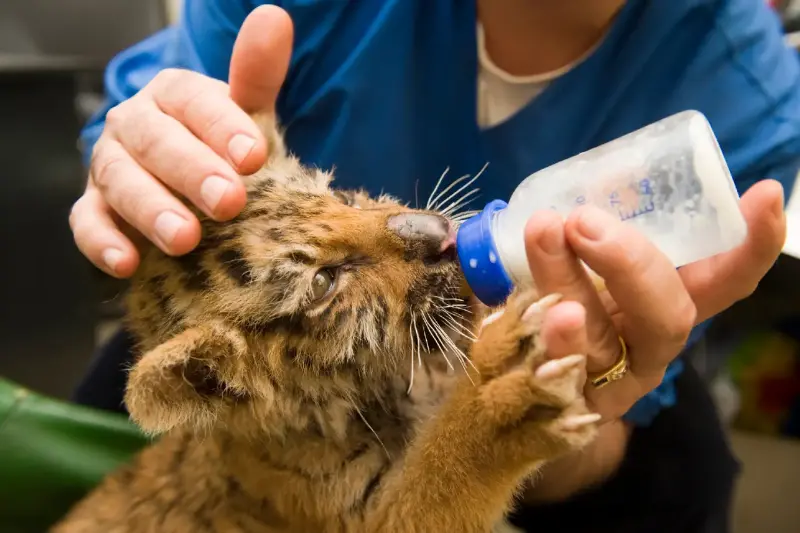
- Nighttime bottle feedings under the gentle gaze of the moon
- Caregivers murmuring comforting words to baby sloths clinging to their shirts
- Painstaking medical routines - tiny bandages for injured paws, gentle massages to restore battered muscles
Such moments forge an emotional bridge between viewer and animal, nudging you not just to watch, but to root for a happy ending.
But why do these vignettes go viral?
It’s the fusion of vulnerability and resilience - seeing a tiny creature endure, then slowly, steadily, heal. “People watch because it gives them hope,” says wildlife rehabber Leah Reynolds. “It’s proof that a little kindness and expertise can change the whole trajectory of a life.”
The Journey: Gentle Hands, Careful Science
The seductive softness of the footage belies an undercurrent of expertise. Most sanctuaries share a similar daily rhythm, where science and heart go hand in hand:
- Assessment: Each new arrival is weighed, examined, and given a customized treatment plan. Sometimes this includes round-the-clock IV fluids or emergency surgery for trauma victims.
- Socialization: For social species like elephants, orphans are introduced to surrogate “herds” of fellow rescues, creating bonds as vital as any medicine. Solo creatures, meanwhile, are gently desensitized to humans in preparation for a wild return.
- Enrichment and Learning: Caregivers set up mazes, foraging puzzles, or water play to sharpen instincts and build confidence.
- Release and Tracking: Before returning to the wild, animals undergo health checks and are sometimes fitted with radio collars—each release a bittersweet goodbye for both animal and carer.
Key takeaway: the gentle routines you see are rooted in science and repeatable success stories.
How You Can Help: From Clicks To Real Change
Inspired to support these rescues? Here’s where the story gets tricky. While many viewers rush to donate, not all online appeals are created equal.
Avoiding The Pitfalls Of Scam Charities
Unfortunately, as viral popularity grows, so does the risk of imposters. Experts recommend a series of quick checks before you give:
- Verify official websites: Scammers often use social media to pose as legitimate sanctuaries. Always double-check URLs and look for organizational transparency - registered non-profit numbers, annual reports, and clear contact information.
- Read up on impact: Trustworthy charities provide stories, stats, and videos showing not just rescues, but long-term outcomes.
- Beware emotional manipulation: If a fundraiser only shows distressing images without specifics on solutions, it’s a red flag.
Pro tip: donate directly through a sanctuary’s own website, or through globally recognized platforms like Guidestar or Charity Navigator to ensure your gift goes where it’s needed most.
Supporting Species For The Long Run
A one-time donation can feed a fawn or buy medicine for a week. But as conservationists emphasize, true change comes from ongoing commitment. Sanctuaries have begun offering creative options to keep you involved year-round:
- Symbolic adoption: Receive updates, photos, and video messages from a specific animal - a way to stay emotionally connected and see your support in action.
- Monthly giving: Even small, regular donations help sanctuaries budget for steady supplies, vet care, and future rescues.
- Volunteering your skills: Many international centers welcome remote volunteers to help with grant writing, education, or social media - amplifying positive impact far beyond a financial gift.
The bigger picture: today’s rescued animal might become tomorrow’s parent in the wild, slowly stitching torn populations back together. Your ongoing support writes the next chapter in these recovery stories.
Seeing Beyond The Screen
As your feed fills with the next batch of puppy-eyed rescues or triumphant returns, remember: you hold the power to transform the outcome, not just for one animal, but for entire species.
What can you do right now?
- Follow reputable sanctuaries and conservationists to stay updated on real needs and long-term successes
- Share verified fundraisers and educational posts with your own network
- Consider making a recurring donation, no matter the size
The rush of watching a baby chimp grasp its first banana, or a turtle slide back into the ocean, is universal. But the most meaningful legacy comes from smart, sustained support - flowing quietly, but persistently, just like a sanctuary’s everyday rhythm: hope born anew with every sunrise.
A Pause For Wonder
So next time you press play, let that surge of tenderness linger. Ask yourself not only what’s being done for that one fragile life, but how you can become part of a rescue story that stretches across continents, decades, and generations yet to come. Where will your compassion take you next?