


In the realm of classic French desserts, the parfait holds a particularly sweet spot. Its velvety layers and exquisite blend of flavours make it not just a dessert but a piece de résistance that can steal the spotlight from any main course. For those uninitiated with this Gallic culinary gem, 'parfait' in French means 'perfect'. And today, we're going to uncover the secrets behind crafting the ideal homemade French parfait.
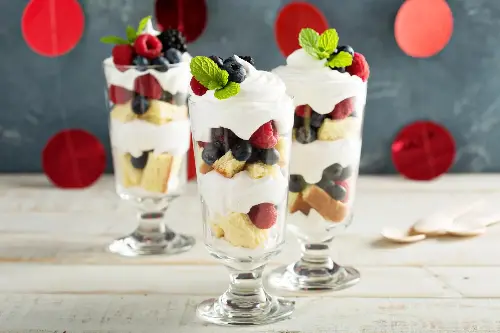
The traditional French parfait is a far cry from the American version, which layers yoghurt with granola and fruit. Instead, the French parfait is a frozen dessert made from a base of sugar syrup, eggs, and cream. It's a dish that takes patience and precision, but the results are nothing short of spectacular.
First, let's look at the core ingredients that make up a traditional French parfait. The foundation of this decadent dessert is a custard-like mix called a pâte à bombe. This is created by whisking egg yolks while simultaneously pouring in a stream of hot sugar syrup, which cooks the eggs and creates a thick, ribbon-like consistency. It is this mixture that imparts the velvet-smooth texture parfaits are renowned for.
To achieve the right consistency for your pâte à bombe, you'll need a candy thermometer. When making the syrup, it's crucial to bring it to the 'soft ball' stage, at exactly 238 degrees Fahrenheit (114 degrees Celsius). This precision ensures that the egg yolks are safely cooked and the parfait reaches the silky smoothness that is characteristic of the dessert.
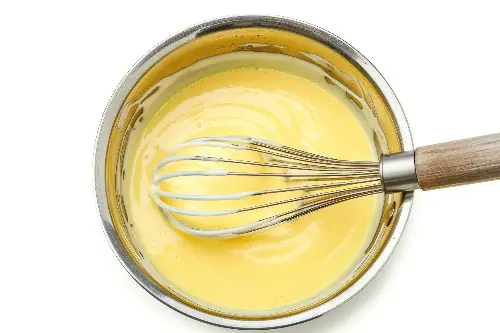
Once the pâte à bombe is ready, the next step is to softly fold in softly whipped cream. The cream must be whisked just right—too stiff, and the parfait will be heavy—not enough, and it won't hold its form. The idea is to create a light but stable mixture that will set perfectly in the freezer without needing to churn it, unlike ice cream.
Now the beauty of a French parfait is in its versatility. While the base recipe remains the same, it offers a canvas to paint with flavours. Classic additions include vanilla beanhile the base recipe remains the same, it offers a canvas to paint with flavours. for its sweet, floral notes, and liqueurs such as Grand Marnier or Chambord for a sophisticated kick. For those who prefer fruitier notes, pureed berries or citrus zest create a refreshing twist. And for the chocolate aficionados out there, a swirled-in ganache or melted chocolate can transform your parfait into a chocoholic's delight.
The secret to infusing your parfait with these flavours lies in balance. Adding too much of a liquid flavouring can disrupt the delicate structure of the dessert, leading to an icy texture. Instead, use concentrated flavourings or fold in your additions gently to maintain the parfait's luxurious consistency.
Texture, too, plays a key role in building the perfect parfait. Consider the addition of nuts for a satisfying crunch, or layer your parfait with crushed biscuits or sponge cake soaked in syrup or liqueur. This not only adds complexity with each spoonful but also a delightful contrast to the smoothness of the parfait itself.
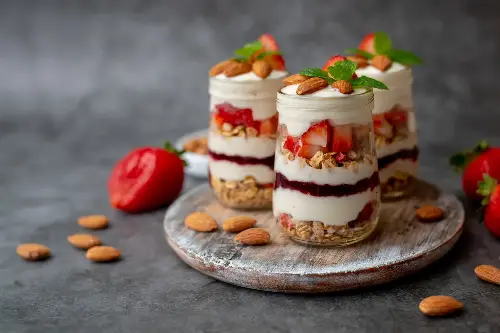
Presentation of your French parfait can be as simple or as extravagant as you wish. Traditionally, parfaits are set and served in individual glasses, displaying their beautiful layers. However, you can also set your parfait in a bread loaf tin lined with cling film, then slice it to serve for an elegant touch.
For the final flourish, toppings are your crowning glory. Fresh fruit, compote, a sprinkle of toasted nuts, or even edible flowers can elevate your parfait to a show-stopping finale. Remember, the key is to complement the flavours within your parfait, not overpower them.
Now, let's talk about timing. Patience is vital—a parfait needs to be frozen for at least 6 hours, preferably overnight. This waiting period allows the flavours to meld together and the parfait to firm up to the perfect consistency. Rush this part, and you might end up with a less than perfect dessert.
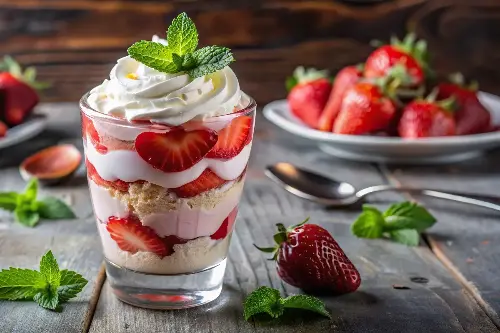
To serve, remove the parfait from the freezer around 10 minutes before you plan to dig in. This short rest at room temperature will make scooping easier and ensure that your parfait is at the ideal texture for maximum enjoyment.
Creating the perfect French parfait at home can seem like a daunting task at first blush. Yet, with some care and attention to detail, it's a dessert that is sure to impress and delight. True to its name, the parfait, when done right, can indeed be a perfect ending to any dining experience or a luxurious treat to savour on its own. So why not whisk yourself away to a French patisserie with this indulgent, creamy delight? Bon appétit!