


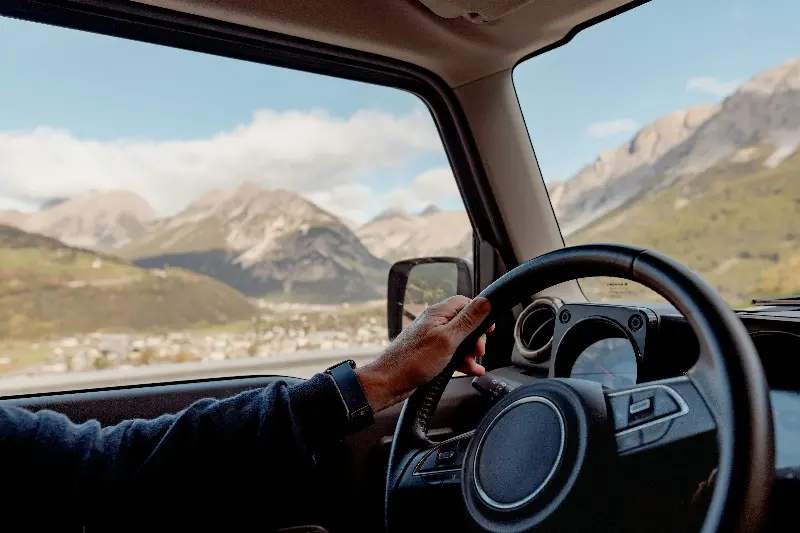
Mastering the mountains: the science behind steep passes
There’s adrenaline in your veins and a world of winding roads ahead. When automatic cars meet unforgiving mountain passes, precision and preparation become your finest co-pilots. Modern vehicles have closed the performance gap with manuals, empowering every driver to conquer gradients once reserved for seasoned stick-shift veterans. But behind the wheel, it’s not just your engine at stake—it’s your confidence and safety on every serpentine stretch.
Let’s break down what makes mountain driving so tough on automatics. Steep inclines demand sustained engine power and careful braking, while frequent curves mean alert steering and calculated speed control. On these demanding terrains, understanding how your transmission responds is paramount. Did you know many automatics now let you manually select gears? This feature isn’t just a convenience—it’s your ticket to smarter, safer ascents and descents.
Gearing up: the smart use of transmission modes
As you prepare to tackle those rugged twists and climbs, the right gear choice can make all the difference. Most modern automatics offer manual shift options or lower gears—often labeled “L,” “2,” or “3.” These aren’t just arbitrary settings, but essential tools for your mountain conquest.
Here's how to make the most of your automatic transmission:
- Before ascending, shift to a lower gear as you approach the incline. This boosts your engine’s torque and minimizes strain.
- For descents, use engine braking—select a lower gear instead of riding your brakes, reducing the risk of overheating your brake pads.
- Take advantage of paddle shifters or “S” modes to fine-tune power delivery and keep your transmission responsive to changing road conditions.
- Remember: automated “hill hold” and “downhill assist” systems in newer automatics can also take the pressure off your feet on tricky slopes.