


How Surprising Shifts in Animal Migration Are Changing the Map for Tourists, Farmers, and Coastal Communities
Have you ever wondered what it feels like to watch thousands of monarch butterflies dance across a sunset sky, or to witness a pod of whales rise from rolling waves only meters from shore? For decades, these awe-inspiring migration patterns have shaped not just our sense of wonder, but also the rhythms of life and business in countless communities worldwide. Today, as climate change transforms the very seasons, these ancient journeys are being rewritten - and the impacts are landing closer to home than most of us realize.
Picture a cool, briny morning on a New England pier. Binoculars in hand, you wait, like generations before you, for the annual arrival of seabirds whose migrations signal spring’s true start. But as winds and ocean currents shift, the flocks veer off course... and the docks grow eerily quiet. This isn’t just a nature lover’s concern - it’s a wake-up call for farmers, travelers, and coastal residents across the globe.
By reading on, you’ll discover how shifting animal migrations are upending expectations, altering economies, and forcing us to rethink our relationship with the natural world. You’ll gain insight into how these changes affect everything from bucket-list wildlife tours to the safety and productivity of the places we call home - and what you can do to adapt.
Whales, Birds, and Insects on the Move: Why Their New Routes Matter
You might picture migration as an unchanging script, but in reality, it’s anything but. Across continents and coastlines, animals rely on precise cues - including temperature, daylight, and food availability - to guide their journeys. When those cues blur or vanish, so do old patterns.
-
Whales Detour to New Waters: Melting polar ice and warming seas are disrupting krill and fish populations, the primary food for many whale species. The result? Humpbacks and grey whales are showing up earlier or farther north than usual, and some pods bypass long-established stopovers entirely.
-
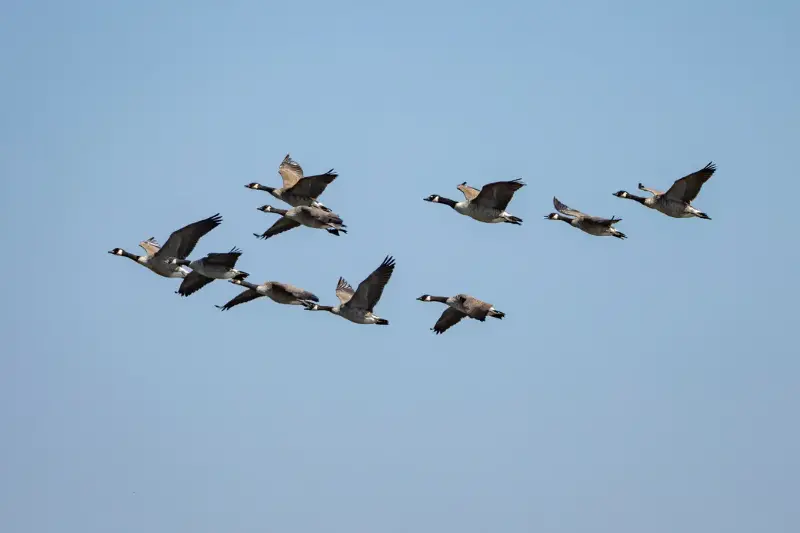
Birds Flying Off the Usual Radar: Iconic migrations, like the geese skeins over the Great Plains or Europe’s soaring storks, are arriving earlier each year. Some birds stop short of traditional nesting grounds, finding new habitats where conditions have unexpectedly shifted in their favor.
-
Insect Highways Redrawn: Monarch butterflies, famous for their transcontinental journey across North America, now flutter along altered routes as drought and temperature spikes reshape the landscape. Pest species like locusts and mosquitoes are also pushing into regions once thought safe from their swarms.
Key takeaway: Nature’s calendar is being rewritten in real time, with migrations rarely seen in living memory - and ripple effects touching all of us.
Tourism on Thin Ice: When Wildlife Doesn’t Show Up
For countless travelers, the chance to witness animal migrations is not just a pastime but a pilgrimage. The whale-watching boat trips of Maui, the bird festivals along the Mississippi Flyway, and the monarch butterfly sanctuaries of Mexico have built entire local economies around the predictability of nature’s clockwork.
But as migration routes change, so does the equation for these communities.
-
Unreliable Sightings = Uncertain Profits: In Baja, fewer grey whales mean cancellations for tour operators and lost activity for hotels, restaurants, and guides. Bird-watching hotspots, once alive with the calls of warblers and cranes, risk sinking into silence at the heart of peak season.
-
The Tourist Experience Gets Reimagined: Guides must invest in new data, equipment, and even training to keep up with unpredictable animal movements. Some destinations now market a “chance encounter” rather than a guaranteed spectacle, shifting the allure but also the risk for visitors.
For travelers and businesses alike, the thrill of discovery is starting to come with a new kind of uncertainty.
Farmers and Food Chains: New Neighbors, Unexpected Pests
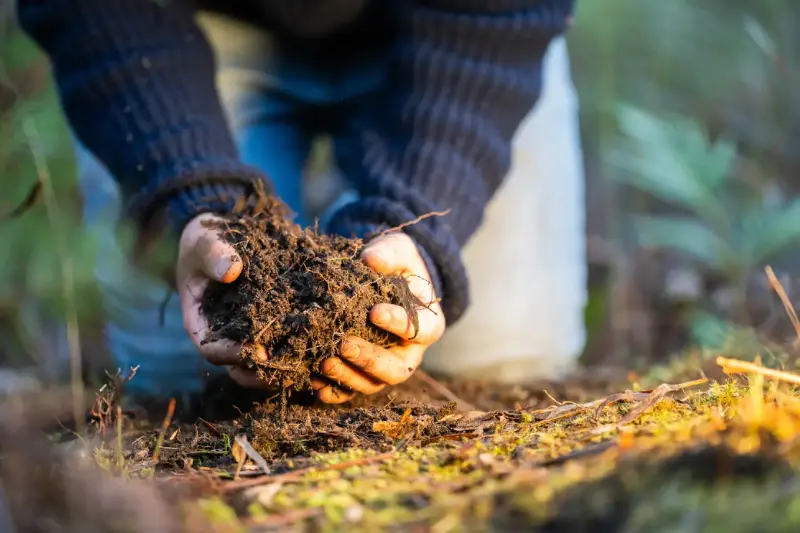
Farming has always been a delicate dance with nature’s rhythms. The arrival of pollinators like bees or pest-controlling birds can make the difference between a thriving harvest and disaster.
-
Beneficial Visitors Run Late - Or Don’t Arrive: Wild bees and migrating insects that pollinate fruit trees and crops may show up off-season, mismatching flower blooms and reducing yields. Some regions have seen entire harvests of apples or almonds dwindle due to missed pollination windows.
-
Pest Invasions Hit Unprepared Fields: With shifting climates, insects like locusts, corn borers, or leafhoppers are colonizing new areas, sometimes overwhelming farmers who have never had to deal with these threats before. The result can be both economic loss and a scramble for new pest control measures.
-
Livestock and Health Risks Increase: In areas newly reached by biting flies or disease-carrying mosquitoes, farmers must now guard animals - and themselves - against illnesses rarely seen in past decades.
These changes don’t just impact the countryside. They ripple through our food systems, influencing what ends up on your dinner plate - and how much it costs.
Public Safety on a Changing Frontier
Migration has always brought both beauty and danger. For centuries, coastal communities have timed their year by when fish, birds, or whales arrive and depart. But what happens when the rhythm speeds up, slows down, or suddenly skips a beat?
-
Surprise Encounters in Unfamiliar Places: Whales and dolphins showing up in unexpected harbors have sparked both wonder and concern, occasionally colliding with boats in busy shipping lanes.
-
New Risks from Disease-Carrying Insects: As shifting migration brings mosquitoes and ticks into novel territories, public health systems face fresh waves of vector-borne illnesses such as West Nile virus or Lyme disease - sometimes before communities have had a chance to prepare.
Key insight: As animals cross new boundaries, so too can risks to property, livelihoods, and health. Yet with foresight, communities can adapt to live alongside these changes.
How Can You Find Opportunities in the Flux?
Change can be unsettling, but it also invites creativity. Coastal towns are exploring new kinds of eco-friendly tourism, not tied to a single species or season. Farmers experiment with flexible planting schedules, crop types, and pollination techniques, learning from neighbors across the globe. Governments and citizen scientists are mapping migrations in real time, creating apps and guides to help both experts and everyday people track the shifting arrival of birds, butterflies, and whales.
Here’s how you can respond:
- Support Responsible Wildlife Tourism: Choose tour operators who follow conservation best practices and adapt to migration shifts without stressing animals.
- Participate in Citizen Science: Use apps and local events to help track bird, whale, or butterfly migrations in your region.
- Advocate for Adaptation: Encourage local policymakers to plan for changing risks in tourism, agriculture, and health.
Nature’s migrations are a living pulse, telling the story of our changing planet. By tuning in, you become part of that story - helping communities not just survive, but thrive.
A New Map of Wonder - And Responsibility
As you close your eyes and imagine a shoreline alive with breaching whales or a field shimmering with butterfly wings, remember: the paths these creatures choose are as intricate as they are essential. Climate change invites us, in ways both urgent and beautiful, to follow their journeys with fresh eyes. Will you be ready to listen, adapt, and discover the opportunities hidden in the new wild rhythms taking shape before us?
The next time you scan the horizon for the wonders of migration, ask yourself - what surprising guests might visit your community, and how will you welcome them?