


The Secret Life of Tiny Creature Cams: Why Families are Hooked and How to Choose Channels That Nurture Empathy, Curiosity, and Conservation
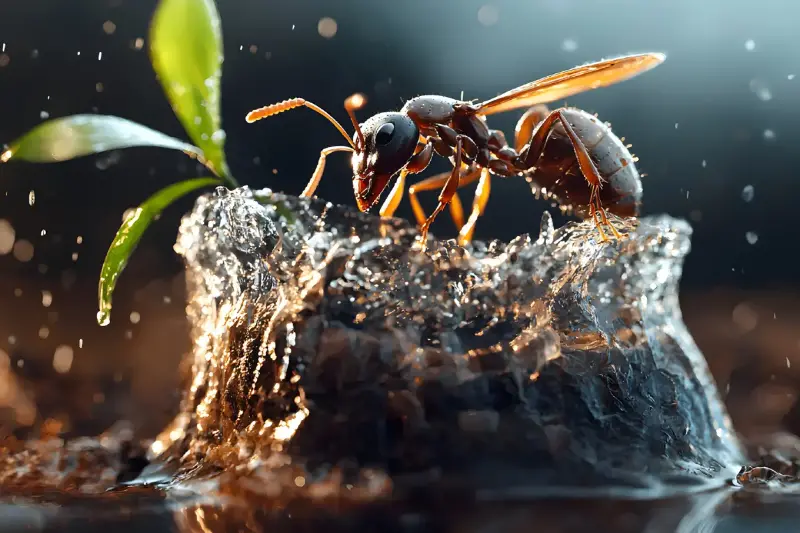
What if you could peek into a hummingbird's nest, a bumblebee's hideout, or a baby owl's world from the comfort of your own couch - and feel more inspired about protecting these creatures than ever before?
There’s a quiet revolution happening in living rooms, classrooms, and handheld screens across the globe. Tiny creature cams, small live-streams that follow the lives of unlikely animal stars, have moved from niche fascination to family ritual. Alongside grown-up wildlife documentaries and cinematic nature exposés, these captivating windows into the miniature drama of nests, burrows, and leafy hideaways are drawing in both kids and adults, sparking not just awe but a sense of purpose. If you’ve ever wondered what these bite-sized “shows” can do for your family and for the wild world, keep reading. You’ll learn not only why everyone’s so enamored - but also how to curate channels that guide children toward empathy, biology smarts, and real-world conservation actions, not just scrolling and sharing.
Why We Can’t Stop Watching: The Magic Behind Creature Cams
Imagine morning sunlight dappling over a pair of wide-eyed fox kits as they tumble outside their den. Picture the fidgety anticipation before a robin’s clutch cracks open. There’s a mesmerizing intimacy in these moments that big-budget documentaries seldom capture. Creature cams do more than entertain - they invite you, in real time, to witness stories “as they happen,” stripping away narration and special effects in favor of unscripted wonder.
Key insight: When the camera lingers, we become quiet observers, tuning into subtle cues - a flutter, a stretch, the way a mother turtle returns, year after year, to her sandy birthplace.
Children especially are pulled in by the immediacy. No grownup filter. No soundtracks. Just the honest rhythm of animal lives, allowing kids to ask questions, spot differences, and recognize patterns on their own terms.
What’s in It for You: Beyond Cute Moments and Viral Clips
It’s easy to assume the appeal is all about cute overload. While baby bunnies and fuzzy ducklings certainly fuel the “aww” factor, tiny creature cams go far beyond adorable snapshots.
They teach patience and mindfulness. In a world of instant gratification, kids (and adults) quickly see that nature runs on its own schedule. Watching for a hatching egg or a shy spider takes focus and rewards gentle persistence.
They foster empathy. By observing the tiny struggles and triumphs - a mother bird’s relentless feeding, a bee’s harried pollen chase - children begin to see animals not as cartoons, but as sentient beings with needs and feelings.
They introduce biology basics. Anatomy, life cycles, adaptation, even microhabitats unfold live, encouraging young viewers to connect what they see on screen with lessons from school. Suddenly, the difference between a moth and a butterfly isn’t just a textbook page; it’s a living drama played out on a leafy branch.
They activate conservation action. Once you’ve watched a salamander cross a rain-dappled trail or seen a rare hatchling emerge, there’s a natural urge to protect these everyday marvels. Families find themselves picking up litter, planting pollinator gardens, or joining citizen science projects - not because they were told, but because they belong to the creature’s unfolding story.

How to Select Compassion-Focused, Educational Creature Cams
With so many digital rabbit holes (and actual rabbit holes) out there, how do you pick family-friendly channels that add real value? Here’s your guide:
1. Check for gentle, informative narration or moderation.
Look for streams or channels where experts occasionally explain what’s happening in kind, accessible language - without constant talking. The best channels gently guide curiosity without dominating it.
2. Prioritize channels with active conservation missions.
Does the cam support a nature reserve, rescue organization, or local biology project? Choosing these helps ensure views turn into habitat protection or research funding.
3. Seek out cams that allow slow, real-time observation.
Avoid hyper-edited clips or channels that chase quick likes with shocking moments. The best streams are “unplugged,” sometimes showing nothing for hours, teaching patience as much as spectacle.
4. Look for community-supported moderation.
A moderated chat, Q&A sessions with biologists, or scheduled “virtual field trips” can help kids process what they’re seeing and turn curiosity into concrete knowledge.
5. Make it interactive, but meaningful.
Many high-quality cams now encourage art, journaling, or local action - turning screen time into hands-on engagement. Some run “spot this animal” challenges or encourage viewers to report backyard sightings as citizen scientists.
Top Family-Friendly Tiny Creature Cam Picks
Not sure where to start? Try these globally-loved, ethically-run choices - each offers a unique window into the “secret” microsphere outside your door.
- Cornell Lab Bird Cams: From robins to herons, these cams pair stunning visuals with world-class expertise.
- Explore.org Wild Animal Cams: Rivers, nests, tide pools, and more, with family discussion guides and ongoing conservation partnerships.
- Bee Aware (various regional cams): Follow humble bumblebees, solitary bees, and honeybee hives in stunning close-ups, with real-time educational prompts.
- Pondlife and forest floor cams: These lesser-known gems give you the insect, amphibian, or even mollusk perspective, reminding us that magic happens underleaf as often as in the canopy.
- Local wildlife trust or rescue channels: Check social media for your nearest rescue or nature trust - many offer seasonal live streams with local groups.
How to Guide Your Kids From Screen to Earth-Friendly Action
The best use of animal cams isn’t just passive. Here are three ways to transform curiosity into lifelong stewardship:
1. Keep a Creature Cam Journal.
Encourage kids to sketch, write about, or tally what they see - building observation skills, empathy, and a personal connection to the stories unfolding onscreen.
2. Take “cam breaks” outside.
Challenge your family: Can you spot real-life versions of your favorite cam creatures outside? Even city parks and backyard corners teem with hidden life. (Bring along a magnifier or small notebook for discoveries.)
3. Turn awe into impact.
After a memorable cam moment, brainstorm small conservation actions together:
- Crafting bee hotels or birdhouses
- Joining a local cleanup effort
- Planting native wildflowers for pollinators
- Writing a thank you note (or a donation) to the organization running your favorite cam
The Heart of the Matter: Tiny Windows, Lasting Connections
There’s a reason both preschoolers and grandparents alike find themselves spellbound in front of a shaky, sun-dappled feed while a baby owl takes its first, tottering steps into the world. These miniature windows invite us not only to watch, but to care. Each screen flicker is a chance to foster wonder, empathy, and an ethic of everyday stewardship.
Key takeaway: Nurturing a deep connection to nature doesn’t require far-flung adventures or expensive equipment. With intention, even the smallest screen can become a launchpad for curiosity, kindness, and bold conservation action in your home.
So the next time you find your family huddled together, breathless over the tiniest of animal soap operas, pause and savor it. What new questions will you ask? What changes might you make outside? The wild is only a camera’s click away - but its impact can last a lifetime.