


Backyard beekeeping buzz: How neighborly hives and pollinator gardens are reshaping community living
Have you ever noticed how a velvet-soft hum in your garden can mean so much more than a teaspoon of honey in your tea? Behind backyard fences and blooms, a gentle revolution is unfolding: ordinary people are transforming neighborhoods with bees, sharing honey, and championing pollinator-friendly gardens - all while navigating that tricky tightrope of allergy concerns, neighbor approval, and a maze of local rules.
Picture an early summer morning: cool dew lingers on petals, a golden flash as a honeybee darts between lavender and wild bergamot, and the faint aroma of clover drifts through the air. You might think of beekeeping as something for rugged homesteaders or countryside romantics, but today, hives are popping up in city lots, suburban alleys, and tiny backyards. If you’ve ever dreamed of harvesting warm honeycomb or building a pollinator paradise, read on - because the new wave of backyard beekeeping is about much more than honey.
Why backyard bees? The sweet benefits you can taste and feel
Bees do more than pollinate your tomatoes. Inviting them in brings tangible and surprising delights:
- Pollinators boost the life of your garden: With the right blooms, a single hive can double your harvest - tomatoes, zucchini, apples, even strawberries love visiting bees.
- Raw honey, straight from your hive: Forget store shelves - home-harvested honey is packed with subtle flavors, reflecting the flowers grown right outside your window.
- Connection to community: Beekeepers often find themselves at the heart of neighborly exchanges, gifting honey jars and sharing stories that spark new friendships.
- Caring for creatures beyond the hive: A bee-friendly garden invites butterflies, native bees, and birds, creating a lush, living landscape for all.
But there’s more to backyard beekeeping than simply setting out a hive and watching the amber pour in. Success depends on mindful preparation, respectful neighbor relationships, and a thoughtful approach to safety.
The sticky side: Navigating allergy worries, neighbor notes, and local rules
Not everyone greets the sight of a hive with delight. Many folks (maybe even you) have felt a twinge of worry - or a jab of panic - at the thought of bee stings, especially for those with allergies. That’s why understanding the boundaries is non-negotiable.
Most towns and cities have their own ordinances covering backyard beekeeping. Here’s what you need to know:
- Check the local laws. Some city councils require permits, others limit hive numbers, and some ban beekeeping altogether. Your local extension office or department of agriculture is a great place to start.
- Talk to your neighbors (before you bring bees home). A simple conversation goes a long way. Share your plans, offer honey samples, and listen to their concerns - especially about allergies.
- Create a pollinator-safe space. Position hives away from property lines and footpaths. Thick hedges or fences help bees fly up, not out.
- Be aware of allergies. Know if someone nearby has a severe bee allergy and be proactive about safety measures.
Communities that flourish with backyard bees thrive on open communication and thoughtful planning. Some beekeepers even post “bee notice” flyers or join neighborhood Facebook groups, inviting others to learn more - and it often turns strangers into supportive allies.
Gentle hive checks: Secrets to calm bees and confident beekeepers
If the idea of poking into a buzzing box fills you with dread, you’re not alone. But experienced beekeepers will tell you that a calm hive starts with a calm human.
The basics to keep things smooth and safe:
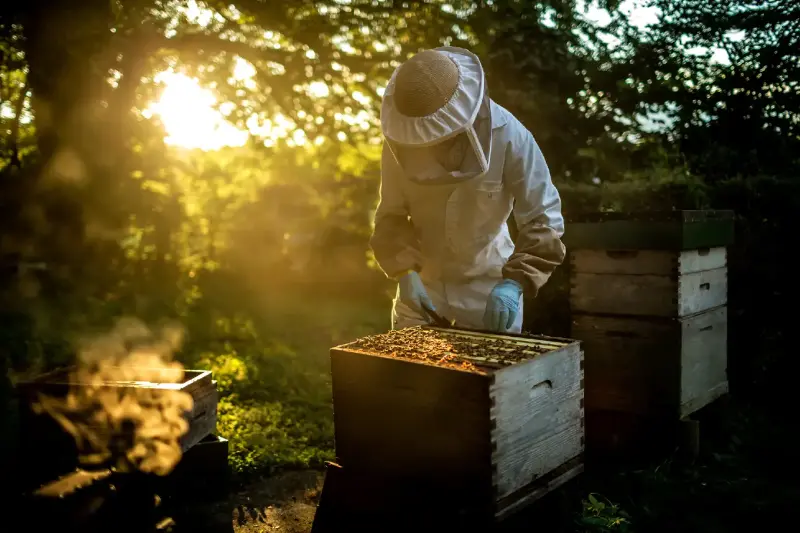
- Always wear protective clothing: A veil, gloves, and a light-colored suit block stings and boost your confidence.
- Move slowly, especially with smoke: A few gentle puffs relax the bees; sudden jerks or loud noises rile them up.
- Keep hive checks short: Five to ten minutes is usually plenty. Early mornings or late afternoons, when bees are less active, are best.
- Watch their mood: Are bees gentle and focused on work, or does the hum rise and workers dart at you? Trust your instincts, and back off if needed.
Proper technique makes hive checks feel less like an ordeal and more like a meditative ritual. You’ll learn to listen for the hive’s emotional tone, moving through clouds of golden wings, your breath in rhythm with theirs.
Safer harvest basics: Make honey sharing a joy, not a hazard
Harvest time is the delicious payoff and the riskiest for excitement-fueled mistakes. To keep things sweet:
- Harvest only surplus honey: Bees need enough stores to survive winter.
- Use the right extractor tools: This keeps combs intact and reduces bee losses.
- Keep kids and pets at a distance: Excitement is contagious but so is risk.
- Label jars clearly: Let recipients know the honey is raw and include basic allergy warnings.
- Invite neighbors to watch: Many fall in love with seeing honey flow and become community supporters.
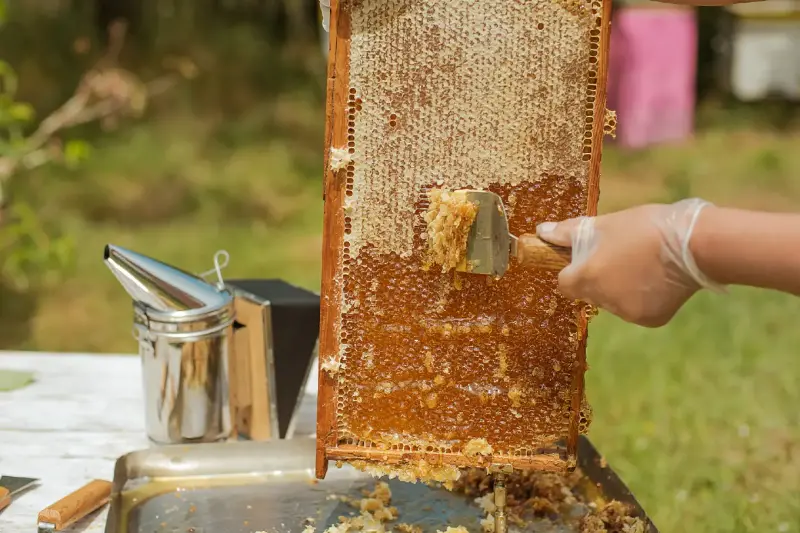
The moment you lift that golden frame, fragrant with wildflower perfume, you’re not just gathering honey - you’re cultivating trust. An open invitation and a willingness to answer questions transform tense curiosity into collective celebration.
Flower power: Pollinator-friendly gardening for everyone
Maybe you’re not ready for thousands of bees in your backyard. That’s okay - you can still make a difference with a pollinator-friendly garden.
- Plant native flowers like coneflower, milkweed, black-eyed Susan, and bee balm: They provide nectar for wild bees, butterflies, and even hummingbirds.
- Ditch pesticides and herbicides: Instead, weed by hand and create brush piles for native pollinator nests.
- Choose diverse plants for a season-long bloom: Aim for early spring to late fall. Your garden becomes a sanctuary when other food is scarce.
Even a single pot of lavender on your porch or a stand of sunflowers beside the fence can ripple outward, feeding thousands of pollinators each season.
A new weaving of neighbors, nature, and nurture
Backyard beekeeping and pollinator gardening aren’t just trends - they’re acts of connection, weaving humans back into nature and neighbors into unexpected friendships. When you balance honey harvests with thoughtful communication, allergy awareness, and pollinator care, you make your yard not just a private retreat, but a pulse in a much larger, wilder story.
So whether you picture yourself donning a bee suit, sowing a handful of wildflower seeds, or simply savoring a spoonful of local honey, remember: the best communities grow from small acts of curiosity and care. What will you plant - or invite - next?