


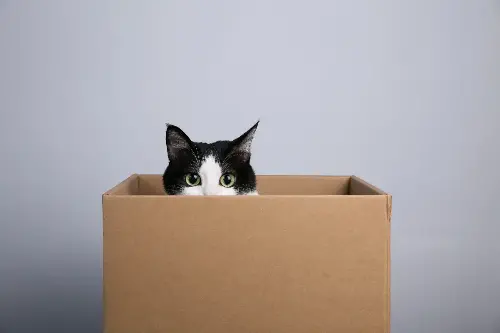
Have you ever found your cat perched in the most unlikely of places, squeezed into the smallest box you didn't even remember you had? It's quite the sight, be it a tiny cardboard square barely big enough for them or a lavish new toy ignored in favor of the packaging it came in. This feline fascination isn't just for amusement; there's a scientific basis to why cats love boxes, and understanding it can deepen our appreciation of these complex creatures.
First and foremost, safety and security are at the heart of the matter. In the wild, cats are both predators and prey. The confined space of a box provides an ideal hiding place where potential threats can't sneak up from behind or the side. When a cat enters a box, they are entering a controlled space where they can observe the world without being seen – a perfect strategy for a stealthy predator needing to launch a surprise attack or a wary animal avoiding bigger foes.
This preference for boxes also links to the concept of thermoregulation – the regulation of body temperature. The optimal temperature for a cat is about 86 to 97 degrees Fahrenheit, a bit warmer than what humans typically maintain their homes at. A box, with its walls providing insulation, creates a cozy micro-environment where a cat can conserve body heat and stay warm.
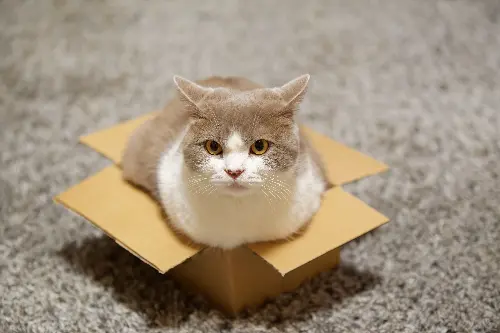
Stress reduction is another significant factor. Cats are territorial animals, and establishing control over an area is a natural behavior. A study by the University of Utrecht found that boxes can help reduce stress in shelter cats. By hiding in a small, enclosed space, cats feel less exposed and can cope more effectively with the stress of their environment. This is why your housecat may head for a box after a stressful event, like a trip to the vet or a loud party at home.
Furthermore, boxes are fantastic tools for sensory control. In such an environment, cats can manage their sensory input, getting away from overwhelming sights, sounds, and smells when needed. A box allows a cat to "turn off" from the world and rest without sensory overload, which can be particularly beneficial for a species with such keen senses.
Playfulness is ingrained in feline nature, and boxes are simply fun for cats. The confined space can trigger a cat's instinct to ambush and hide, turning the box into a makeshift playground. Plus, the texture of the cardboard is quite pleasing for cats; it's great for scratching to keep those claws in excellent condition and the scent is often intriguing.
It's important to mention that not all boxes are created equal in the eyes of your cat. Size matters – many cats prefer boxes that are just the right size for them to fit snugly inside. But even if a box is too small, their determination to fit into it can provide quite the entertainment (and some comical Instagram moments).

Lastly, a sense of ownership plays a key role in this love affair. A box becomes part of the cat's territory, something they can claim and return to as a secure base. This is why you might find your cat returning to the same box repeatedly, even if there are other options around.
So, the next time you catch your feline friend curled up in a box, remember you're witnessing a complex mix of instinct, behavioral needs, and sensory preferences at play. Boxes are more than just a quirky trait of your cat's playtime; they are a reflection of their natural instincts and needs. And if indulging this passion keeps our feline friends happy and reduces stress, it's a small concession to make – plus, who doesn't love those adorable box-shaped naps?