


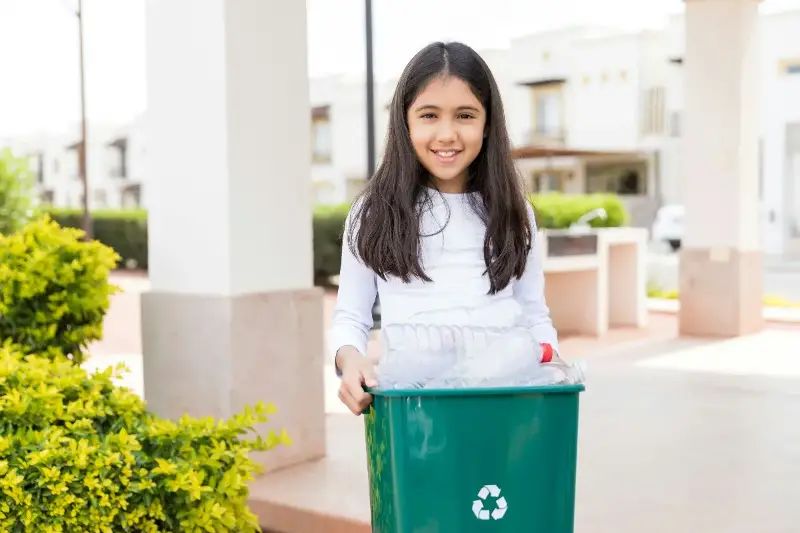
Teaching sustainability to kids isn’t about daunting facts or lectures—it’s about igniting wonder and inspiring questions. Have you noticed how a child’s eyes light up the first time they see a butterfly in the garden, or when they watch seeds sprout on a sunny windowsill? These moments are where eco-heroes are born. Imparting green habits early shapes not only the future of our planet, but also our children’s empathy, curiosity, and sense of responsibility.
Eco adventures start at home: everyday habits become lessons
Sustainable living can seem overwhelming, but for kids, it’s best introduced as a series of fun, bite-sized adventures. Composting kitchen scraps, reusing jars for crafts, or sorting recycling together—each is an opportunity to spark joy and learning. Here’s how easy it is to turn daily routines into eco-lessons:
- Turn off the tap while brushing teeth and explain water conservation
- Reuse cereal boxes for imaginative art projects
- Organize a “lights out” evening and tell stories by candlelight
- Grow herbs in a sunny corner and taste-test homegrown flavors
Children thrive on participation—they remember lessons not just from what they hear, but from what they do with you. The kitchen, backyard, and even the laundry room can be transformed into lively sustainability classrooms, brimming with hands-on discovery.
Curiosity leads: why “why?” is the best eco tool
If you’ve ever felt tested by an endless stream of “whys,” you’re onto something powerful. Encourage your tiny eco-hero’s questions—each is a stepping stone to deeper understanding. Instead of simply answering, engage their curiosity with:
- Interactive stories about animals affected by pollution
- Hands-on science experiments like making mini water filters
- Outdoor treasure hunts for litter-picking, championing local wildlife
Kids are natural scientists. They want to know how things work and why choices matter. By letting their questions guide discussions, you nurture critical thinking and empower real, lasting change.
Joy in small acts: the power of little heroes
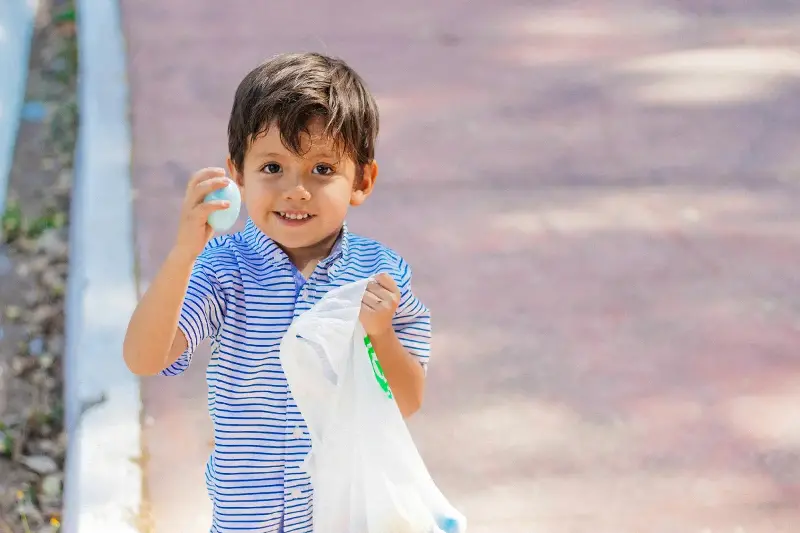
Every effort, no matter how small, is cause for celebration. Did your child remember to ask for a reusable bag at the store? High five! Did they pick up litter at the park or share a recycling tip with friends? That makes them a hero in action. Recognizing and rewarding these moments builds lifelong confidence and passion for sustainability. Try setting up a family “Eco Hero Chart,” tallying up good green deeds with:
- Colorful stickers for each sustainable action
- Weekly storytelling sessions to share favorite eco moments
- Rewards like nature walks, a visit to a local farm, or choosing seeds for the garden
When children see direct results of their actions—cleaner parks, thriving plants, happy wildlife—they feel empowered and joyful.
Imagination as the ultimate green tool: inviting playful possibilities
What happens when we invite children to dream up a greener world? Provide recycled materials for spaceship models, design imaginary “Zero Waste Cities” with building blocks, and let children reimagine old clothes as superhero capes. Through creative play, sustainability becomes embedded in their worldview—not as an obligation, but as a source of wonder and delight.
The journey toward eco-heroism is one of limitless possibility. There’s no single right way, just a million small ways to make an impact.
Conclusion: passing the baton—what if every child was an eco hero?
As we nurture tiny eco-heroes, we kindle ripples that shape generations. What stories, habits, and dreams will your child carry forward? The most powerful lessons are shared, celebrated, and lived—day by day, deed by joyful deed. Imagine a world built by tiny hands, guided by big hearts—what wonders might they create next?