


Origins in the Shadows: The True History of the Ninja
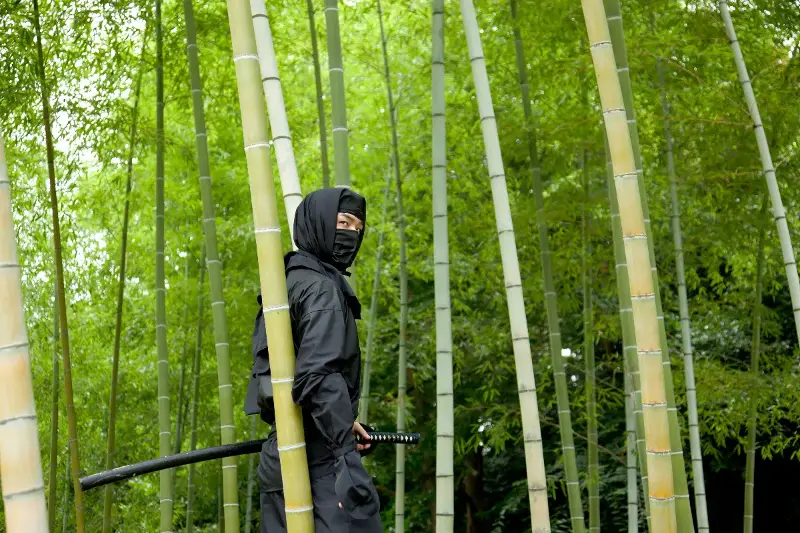
Long before the black-clad figures leapt across the rooftops of Hollywood films, the real shinobi were plying their trade in feudal Japan. Far from mere myth or magical warriors, historical ninjas—or “shinobi,” as they were known in Japan—were predominantly skilled spies and covert agents. Emerging as early as the 15th century, they played crucial roles in political intrigue and clan warfare during periods of unrest such as the Sengoku (Warring States) era.
The earliest ninjas were often recruited from the lower rungs of Japanese society, notably from the Iga and Kōga regions. Local farmers and peasants, facing the constant threat of conflict with little social power, learned to use stealth, intelligence gathering, and unconventional tactics as their survival kit. Over time, these skills evolved into a sophisticated set of espionage techniques. Contrary to the image of lone assassins, actual shinobi often worked in groups and shared community ties, blending seamlessly into daily life as farmers, monks, or merchants.
Fact Versus Fiction: Debunking the Myths

Popular culture loves its ninjas shrouded in mystery—masters of invisibility, shape-shifting, and even walking on water. The reality, as uncovered by researchers such as historian Stephen Turnbull, is far less fantastical but every bit as intriguing.
Real shinobi did not wear the signature pitch-black outfits we see in anime and films. Historical texts suggest they preferred clothing that helped them blend into the crowd—think of the humble attire of workers or monks, designed to avoid unwanted attention. Their true arsenal was psychological: disguises, misinformation, and sabotage. Classic “ninja tools” like throwing stars (shuriken) were secondary to more practical items like lock picks and grappling hooks.
Women—known as kunoichi—were equally significant. Female shinobi capitalised on gender stereotypes, using their perceived harmlessness to infiltrate enemy quarters and relay intelligence critical to their clans. The idea of the unstoppable male ninja is a modern construct; history proves shinobi were as diverse as they were discreet.
Ninjas in the Modern Imagination: Why the Obsession Endures

What fuels the world’s unending fascination with ninjas? At heart, the ninja embodies the universal appeal of the underdog: clever, resourceful, always a few steps ahead. Their legendary exploits evoke the perfect blend of mystery and mastery—qualities that have inspired everything from comic books and video games to blockbuster movies.
Japanese pop culture was instrumental in this transformation. The 20th century saw manga and films like “Shinobi no Mono” weave new narratives around old traditions. Across the globe, franchises like “Teenage Mutant Ninja Turtles” and “Naruto” sparked fresh interest, taking the ninja brand iconically international. In a society drawn to secret skills and hidden strength, the shadowy world of the shinobi taps into collective wishes for power, agility, and perhaps a dash of the extraordinary.
Even today, Japan’s Iga and Kōga regions honour their heritage with ninja museums and festivals. Tourists—and locals—can try their hand at “ninjutsu” techniques or explore tunnels built by real shinobi centuries ago. Whether in comics or cosplay, the spirit of the ninja continues to thrive.
Ninjas Reimagined: Cultural Adaptation and Social Identity

Beyond entertainment, the ninja stands as a cultural symbol of adaptability and wit. In challenging times, the story of the shinobi—ordinary people who mastered extraordinary skills—reminds us that social status and outward appearance do not define capability. Their historical legacy has become a template for resilience and transformation, resonating with audiences looking for stories of hope and empowerment.
As current societal movements encourage breaking free from stereotypes and expectation, the ninja’s art of disguise takes on new meaning, celebrating hidden talents and strategic self-reinvention in an ever-changing world.
From serving as real-world operatives in Japan’s turbulent past to global legends of stealth and intelligence, the story of the ninja is both ancient and ageless. The shinobi’s shadows still stretch across our culture, captivating a world ever hungry for stories where the quietest figure can make the loudest impact.