



We slip behind the wheel and hit the road, often taking for granted that our car will respond faithfully with every touch of the pedal. Yet, much like our own health, it’s the little, almost invisible, daily actions that have the biggest effect on its well-being—especially when it comes to your brakes. Imagine every acceleration, every sudden stop, and every idle at a traffic light quietly chiseling away at the very parts keeping you safe.
Riding the brakes: a habit that hits harder than you think
Feel like resting your foot lightly on the brake pedal as you coast downhill? It seems harmless, but this is one of the most notorious culprits behind premature brake wear, often called “riding the brakes.” That moment of comfort comes at the cost of constant friction—generating excessive heat, which can warp rotors and decrease brake pad life significantly.
The solution? Instead, try:
- Shifting to lower gears when descending steep stretches.
- Allowing your car to coast where safe and using the brake pedal purposefully rather than habitually.
Every time you touch that pedal, imagine a tiny portion of your brake’s life slipping away.

Stop, go, stop: the city commute’s secret damage
Urban driving is full of “stop and go” routines—think congested rush hours and bustling intersections. Repeated rapid stops not only burn more fuel but also overheat brake components. Heat is a brake system’s biggest enemy; over time, it can cause brake fluid to boil, pads to glaze, and rotors to suffer microcracks.
To minimize the harm:
- Maintain a safe following distance, giving yourself room to slow down progressively.
- Anticipate lights or jams, easing onto the brakes rather than slamming them.
Consider each stop an opportunity to show your car—and your sense of road control—some respect.
The speed factor: slow down to save more than time
Driving fast feels exhilarating, but higher speeds mean greater braking force is needed to bring you to a halt. This doesn’t just increase overall wear; it applies more heat and pressure during each emergency stop, which can cause your pads to wear unevenly or the brake discs to warp.
Ask yourself before accelerating: Is the thrill worth the hidden repair costs? Often, it’s not. Reducing your speed not only improves safety but extends the life of your entire brake system.
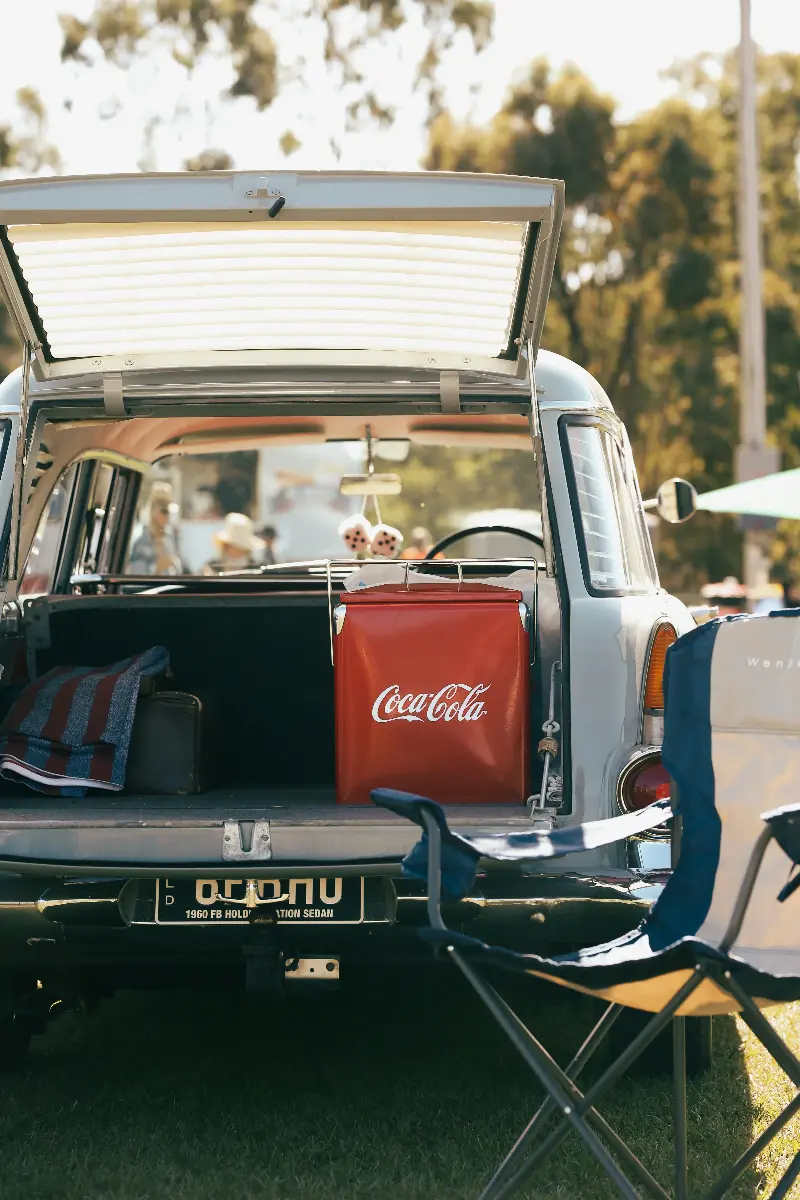
Carrying the weight of a loaded trunk
Ever used your car as a mobile storage shed? Excess weight—like golf clubs, work tools, or “just in case” gear—requires more energy to slow down, which translates directly into more strain on the brakes.
Quick tip:
- Regularly clean out unnecessary items from your vehicle.
- Travel light, especially on long drives, for a noticeable improvement.
Feeling your car’s agility return is a reward in itself—and your brakes will thank you, too.
Creative cruising: how engine braking and planning pay off
Did you know your engine can help slow your car, saving precious brake life? Downshifting on descents uses engine resistance to help control speed. And with just a bit of planning, you can avoid last-moment hard stops:
- Read the traffic ahead.
- Look for slopes or natural slow-down points.
- Use engine braking in manuals and select downshift modes in automatics when appropriate.
This not only gives you a smoother ride but also keeps your brake parts cooler and happier.
It’s easy to forget how intertwined daily habits are with vehicle health—until it’s too late. With a bit of mindfulness, you can transform your driving from autopilot to attentive, making every journey gentler on your brakes and safer for you. Next time you get behind the wheel, what subtle changes could you make to preserve the unsung hero keeping you safe at every stop? The answer might surprise you.