


Step into bustling markets of Cairo, or serene temple ponds of Varanasi, and you’ll find the lotus—poised, luminous, and ever-mysterious. This flower floats across ancient Egyptian frescoes, adorns Hindu deities in India, and forms the throne of the Buddha in East Asia. But why has the lotus enchanted civilisations separated by oceans and centuries? Dig a little deeper, and its petals reveal stories of faith, geometry, and natural wonder reimagined through generations.
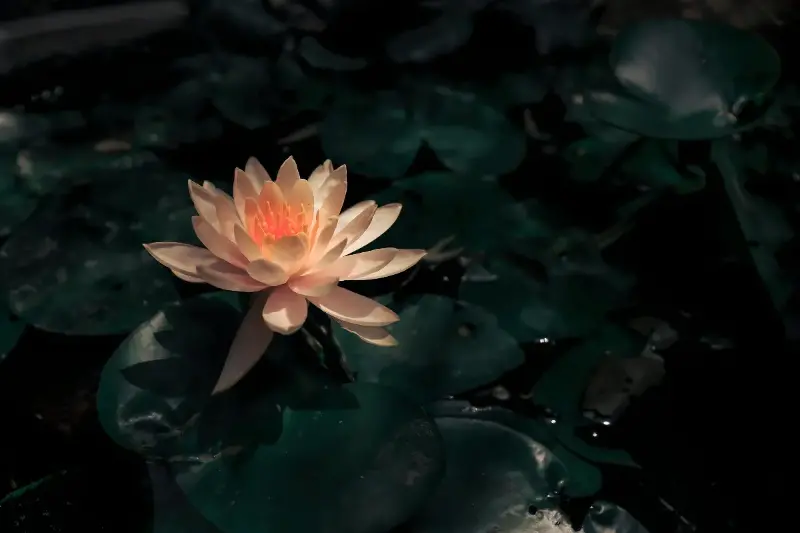
Geometry of the Divine: Patterns and Perfection
One of the most mesmerising aspects of the lotus is its geometry. Sacred texts and artists alike have marvelled over the ‘mandala’—a geometric configuration that mirrors the symmetry of lotus petals. In ancient Egypt, the blue lotus was painted in tombs and temples as a symbol of rebirth, its symmetric blooms representing the sun’s daily journey and the soul’s immortality.
Across India, the lotus—Padma in Sanskrit—shapes the very architecture of temples. Mandalas and yantras mimic its measured symmetry, believed to channel divine energy:
- The famous “Lotus Temple” in New Delhi echoes the form of an unfurling lotus, inviting peace-seekers from every faith.
- Yantras, spiritual diagrams in Hindu rituals, often place the lotus at their heart, symbolising cosmic harmony.
In East Asia, Buddhist art and gardens honour the lotus’s eight-fold symmetry, reflecting the Noble Eightfold Path—a guide to enlightenment.
Dawn’s Messenger: The Lotus and the Cycle of Renewal
What’s even more enchanting? The lotus does not merely represent spiritual ideas—it lives and breathes them. Every dawn, the flower rises—sometimes emerging pristine from murky waters. This daily “awakening” has inspired myths of creation across cultures:
- In Egyptian lore, the blue lotus opened each morning to greet Ra, the sun god, signalling the rebirth of light itself.
- For Hindus, goddess Lakshmi appears seated on a blooming lotus, while in Buddhist legend, when the Buddha walked, lotuses bloomed under his feet—a living testament to grace and transcendence.
When you watch a lotus unfurl with the morning sun, you’re gazing at a metaphor enacted by nature itself—of hope, purity, and the promise of new beginnings.
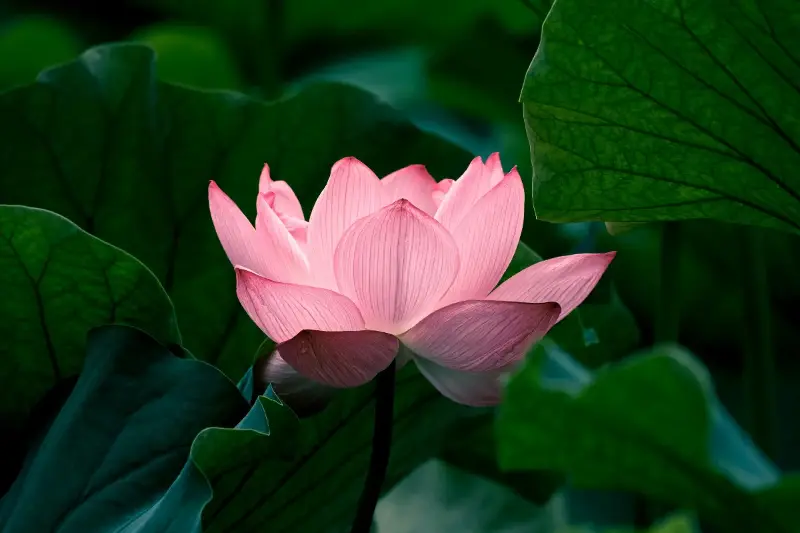
Nature’s Marvel: The Lotus’s Self-Cleansing Power
Beyond its beauty and myths, the lotus boasts a scientific marvel—the “lotus effect.” Its leaves remain spotless, even in muddy ponds, thanks to microscopic waxy bumps that repel water and dirt. Water droplets bead up and roll away, carrying impurities with them.
Scientists have drawn inspiration from this natural brilliance:
- Self-cleaning paints and fabrics mimic the lotus leaf, making our buildings and clothes more durable.
- Eco-friendly coatings are engineered for glass and tiles—all thanks to a humble flower that never gets dirty.
For ancient peoples, the untouched purity of the lotus was proof of its divinity; today, it offers practical lessons in sustainable design.
A Shared Symbol, Endless Interpretations
Across hieroglyphs, scriptures, and silken scrolls, the lotus is much more than an emblem of faith. It’s a canvas—on which generations have painted their longing for transcendence, balance, and beauty. Whether you read the legends or marvel at micrographs of its leaves, the lotus invites us to question what it means to rise above and remain unblemished.
How would our daily lives transform if we, like the lotus, could emerge resilient and radiant, no matter our surroundings? Perhaps, the next time you glimpse a lotus—be it in art, nature, or architecture—you’ll pause to wonder what ancient story its petals are colouring anew.