


Imagine walking through a forest or paddling along a quiet riverbank and coming across an impressive construction that’s far more than a pile of sticks or a mud mound. Nature is packed with architects that would make even the most celebrated human builders pause and take notes. From meticulously woven nests to grand towers and even underwater palaces, animals across the planet have mastered the art of construction, secrecy, and survival. Let’s step into the world of animal architects and uncover the stories behind their most breath-taking creations.
Beavers: The Master Dambuilders
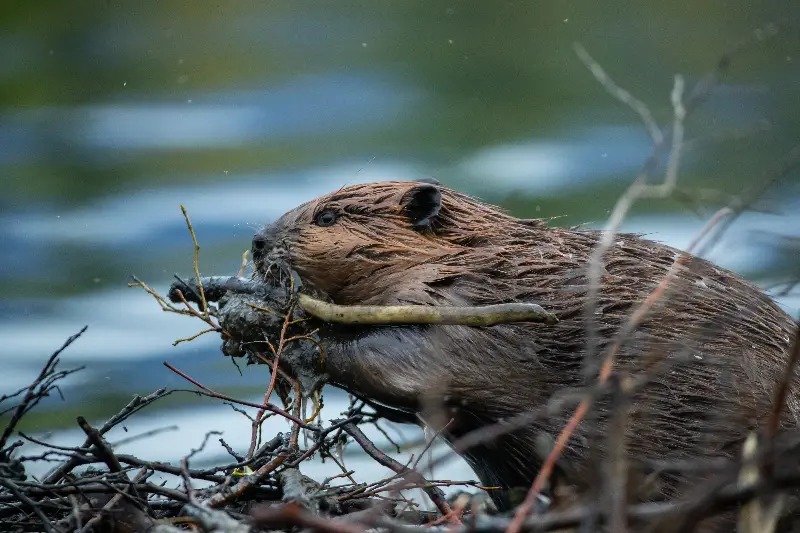
Beavers are perhaps the most famous animal engineers, and for good reason. These determined rodents don’t just build homes – they alter entire landscapes. Using only their large teeth and unflagging dedication, beavers fell trees, drag branches, and pile up mud to create dams that slow rivers and form ponds. The purpose? To keep water levels high enough to protect their lodges from predators and to ensure easy access to food during winter.
A single beaver family can transform a barren channel into a lush wetland, benefitting countless other species. The dams and lodges are so sturdy that they sometimes last decades, with the largest ever recorded stretching over 850 metres in Canada – clearly Nature’s version of The Great Wall!
Weaver Birds: Artists of the Avian World
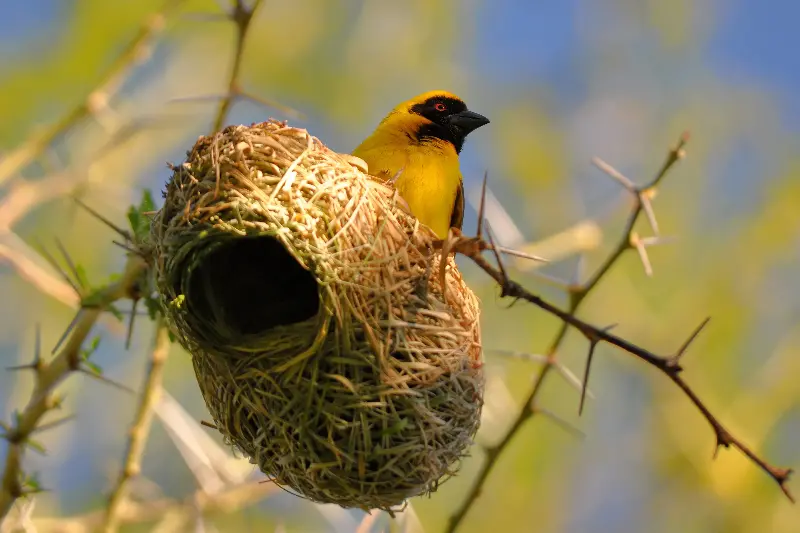
When it comes to architectural beauty, few can outdo the weaver birds of Africa and Asia. With beaks as their only tool, male weaver birds collect grasses and strips of leaves, intricately weaving them into spherical or oblong nests that dangle gracefully from tree branches. These nests aren’t just shelters—they are works of art that attract potential mates.
What’s truly fascinating is the variety: some species build communal nests that can house hundreds of families together, while others create elaborate, multi-chambered homes complete with built-in "security" features like slippery entrances to deter snakes and other predators. The weaving process is so complex that some experts believe it rivals the skill of human basket makers.
Termites: Builders of Natural Skyscrapers

Often dismissed as mere pests, termites are actually among the most sophisticated builders in the animal kingdom. Their colossal mounds—sometimes as tall as 8 metres—resemble fortress-like skyscrapers on the African savannah. But there’s more to these structures than meets the eye.
Termite mounds function as living respiratory systems, with a maze of tunnels and vents that control temperature and humidity. No matter how scorching the heat outside, the inside of the mound remains stable, creating the perfect environment for the colony and their precious fungus farms. Scientists are even studying termite architecture to inspire more energy-efficient buildings for humans.
Spiders: Silk Engineers Beyond Compare
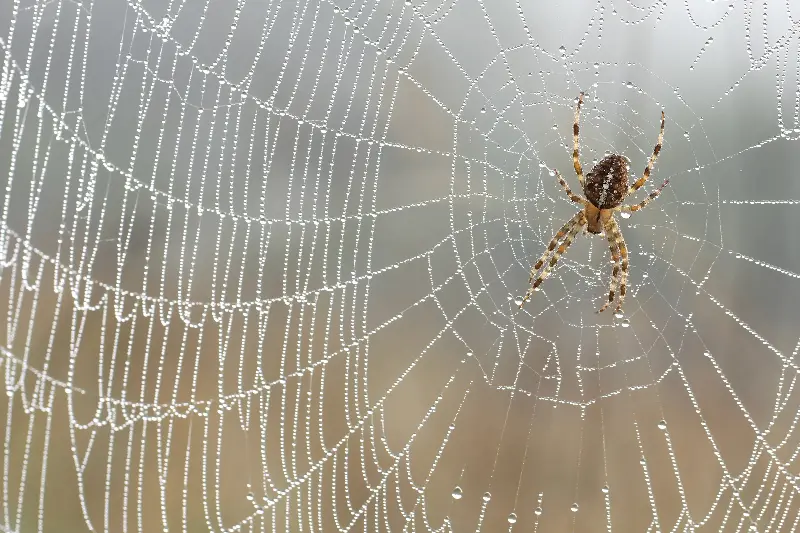
Spider webs might look delicate, but they’re marvels of evolutionary engineering. Orb-weaver spiders spin intricate circular webs using silk that’s both lightweight and stronger than steel by weight. The geometry of the web is carefully calculated so that even a small vibration signals dinner has arrived.
Some species, like the Darwin’s bark spider of Madagascar, build webs stretching over rivers—sometimes more than 25 metres across. Others, such as trapdoor spiders, craft silk-lined burrows in soil capped with perfectly disguised doors. Whether it’s a charismatic web shimmering in the morning dew or a hidden trap, spiders have refined their trade over 400 million years.
Underwater Engineers: The Coral and the Pufferfish
