


For ancient peoples, a solar eclipse was more than a simple astronomical event—it was a moment of awe, terror, and mystery. Imagine the sun, the life-giving force in the sky, suddenly vanishing in broad daylight. Before science could explain the reason behind these celestial disappearances, cultures across the globe spun vivid tales to make sense of this cosmic drama. Here are five captivating myths about solar eclipses that have survived through centuries—each one a window into the heart and imagination of our ancestors.

The Celestial Dragon’s Feast: China’s Ancient Legend
In ancient China, solar eclipses were interpreted as moments of cosmic crisis. According to myth, a great celestial dragon attempted to swallow the sun. Villagers, desperate to save their source of light and warmth, would bang drums and fire cannons to frighten the beast away. This ritual, fuelled by both fear and hope, highlights how deeply people felt their connection to the sun’s wellbeing.
The Chinese word for eclipse, “shi,” actually means “to eat,” giving poetic weight to the legend. Even today, echoes of these customs can be traced in rural celebrations—reminders of a time when humans fought dragons in the sky.
Rahu’s Grudge: The Indian Tale of Revenge
The Hindu myth about eclipses is a story of deception and cosmic justice. Rahu, a demon, disguised himself to steal the nectar of immortality from the gods. The sun and moon exposed his trick, and Vishnu swiftly decapitated him. However, Rahu had already sipped the elixir, so his immortal head remained. Consumed by bitterness, Rahu chases the sun and moon across the heavens. Whenever he catches them, he swallows them, causing an eclipse—though, lacking a body, they re-emerge unharmed.
This tale not only explains why eclipses end suddenly, but also weaves together themes of ambition, vengeance, and the endless pursuit between light and darkness.
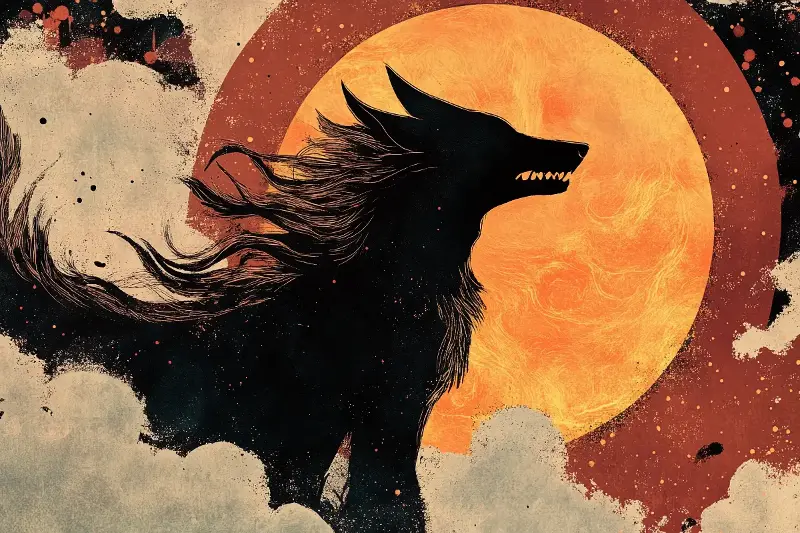
The Sun’s Angry Abandonment: The Norse Legend
Vikings witnessed eclipses as moments of profound peril. They believed the sun (Sol) and the moon (Mani) were chased by ferocious wolves—Skoll and Hati. When the wolves caught up, they devoured their prey, causing the day to darken. This myth, so packed with imagery, portrays the sky as a battleground, where celestial bodies are not just passive objects, but active participants in a cosmic chase.
According to prophecy, during Ragnarok—the end of the world—these wolves would finally triumph, plunging the cosmos into chaos.
Warfare in the Sky: The Incan Interpretation
Across the Andes, Incan priests believed a solar eclipse signalled an angry, wounded sun. In some stories, it was thought that the god Inti was under attack by a supernatural animal or rival gods. Priests would perform special rituals, including offerings and sacrifices, pleading with Inti not to desert them forever. For the Incas, the eclipse was a cosmic alarm bell—time to realign themselves spiritually and ensure harmony in the universe was restored.

The Sun and Moon’s Love Story: Native American Lore
Among the Ojibwe and other Native American peoples, eclipses were often described as a powerful meeting between the sun and the moon—not a battle, but a rare moment of union. In some tribes, people sang or danced to encourage the two lovers to part and resume their roles in the sky, keeping the world in balance.
This interpretation offers a more tender vision, showing how the same natural event could inspire both awe and affection across cultures.
Five Myths, One Universal Wonder
From dragons and demons to gods and lovers, humanity’s eclipse legends reveal more than fear—they speak of creativity, curiosity, and a longing to understand the universe. Each myth, in its own evocative way, reflects the timeless human desire to face the unknown with stories and rituals.
As the world grows more scientific, these stories remain—inviting us to look up, imagine, and remember that for all our knowledge, some mysteries are best met with wonder. Who knows? Perhaps the next time the sun disappears, you’ll recall these ancient tales—and see the sky with new eyes.