


In the golden lands along the Nile, where the sun’s rays danced on stone and sand, the Egyptians lived surrounded by the mysteries of their gods. Yet the gods of Ancient Egypt were never distant or abstract figures. Their presence shaped daily routines, architecture, fashion—even simple gestures—with divine symbols weaving visible magic into ordinary moments. But what were these secrets, and how did the power of gods extend beyond temple walls into bustling markets and quiet family dinners?
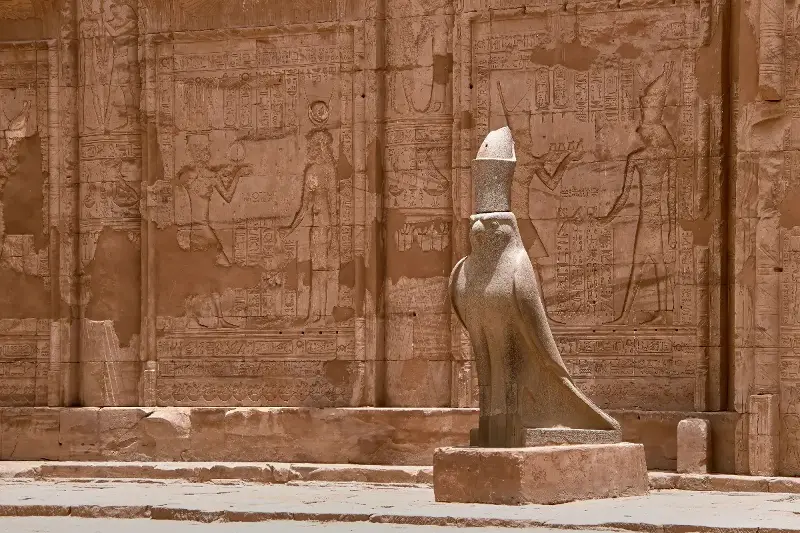
Symbols in Stone and Skin: The Invisible Language of the Gods
For ancient Egyptians, symbols were more than decoration—they were living conduits of divine power. The ubiquitous ankh, resembling a cross with a loop, wasn’t just jewellery or a painting. Its meaning was profound: eternal life. Worn around necks or etched onto tomb walls, it was a daily reminder that the gods held the key to an everlasting existence.
Look to the Eye of Horus, painted onto boats or baked into bread. It was both an amulet and a promise: the gods would keep you safe from harm, disease or evil spirits. Farmers strove to trace this eye onto their seed sacks at planting time, believing the harvest was protected by Horus’s vigilant gaze.
Even basic cosmetics had extraordinary roots—a black line of kohl eyeliner was drawn not only for beauty but to invoke the protective unblinking eyes of Horus and Ra. Defending against glare and evil alike, the gods’ symbols became part of the morning ritual for women and men.
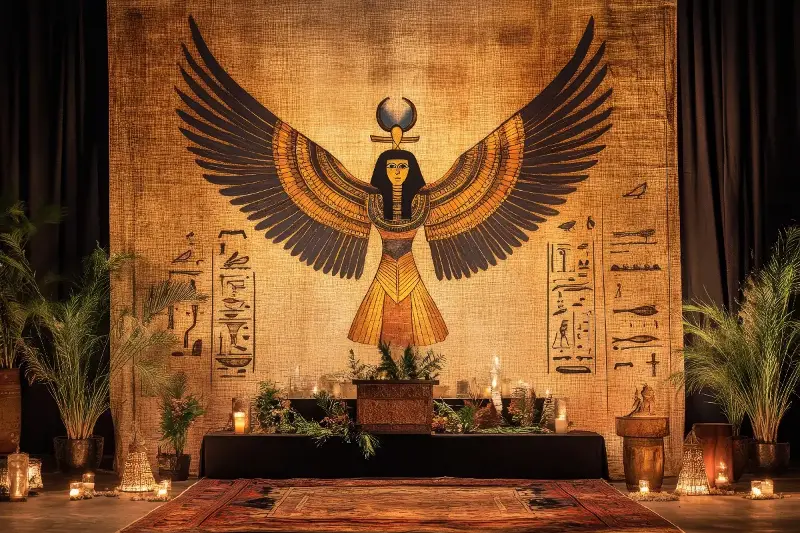
God at the Table and in the Fields: How Divine Power Touched All
Egypt’s deities weren’t locked away in hidden temples. Instead, gods’ stories and emblems permeated work, celebrations, and the rhythm of everyday life. Farmers prayed to Osiris, god of agriculture, as they sowed seeds, and set out tokens of wheat to honour him during harvest festivals.
- Morning Rituals: A splash of water wasn’t just for cleansing—it echoed the myth of Nun, the primeval waters, bringing renewal at sunrise.
- Household Altars: Miniature statues of Isis and Bastet stood in corner shrines, welcoming prosperity and chasing away trouble.
- Naming Children: Many names—for example, “Ramesses” (“Born of Ra”)—linked people directly to their gods, hoping to confer protection or strength.
Even legal documents and business contracts invoked Ma’at, goddess of truth and justice. Her feather, a simple yet powerful icon, signified fair dealings and balance in human affairs. Thus, the gods’ presence wasn’t just spiritual but legal and social—a constant companion in all negotiations.
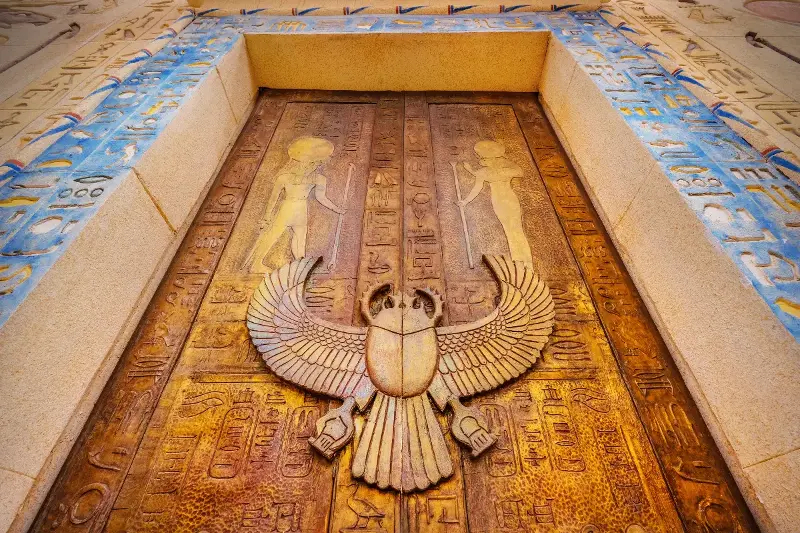
Sacred Fashion and Daily Artefacts: Wearing the Power
You might imagine only priests adorned with divine symbols, but in reality, all levels of society wore amulets and jewellery steeped in spiritual meaning.
- Scarab beetles, worn on the chest or sewn into the wrappings of mummies, symbolised transformation and the daily rebirth of the sun.
- Tattoos and beads depicting serpents or feathers signalled devotion to specific gods, such as Wadjet or Ma’at.
- Lotus flowers, carved on combs and mirrors, reminded users of regeneration and purity thanks to their associations with Nefertem and Osiris.
These artefacts weren’t just ornamental; they were believed to channel the gods’ essence directly into the wearer’s life, reinforcing hope, courage, and health in everyday struggles.
As the sun would set behind the pyramids, families recounted tales of gods within their own homes, ensuring children learned both awe and respect for the power woven through all creation. Today, as we rediscover these captivating artefacts and meanings, we are left to wonder: How much magic seeps into modern life through forgotten stories and symbols? What unseen forces shape our own everyday rituals, waiting to be rediscovered with new eyes?