


As the world pivots briskly towards a greener tomorrow, hydrogen fuel-cell vehicles (FCVs) shimmer on the horizon like a beacon of clean energy innovation. This technology, once a figment of science fiction, is quickly becoming a reality on roads globally. With nations committing to reduce carbon emissions and improve air quality, embracing the change to hydrogen mobility appears not just prudent but necessary.
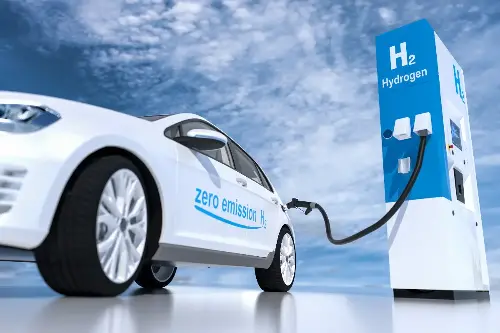
At the core of the hydrogen revolution are fuel-cell vehicles, which combine hydrogen gas with oxygen from the air to produce electricity. This electricity then powers the vehicle's electric motors, with water vapour as the sole byproduct—ushering in a nearly silent and entirely clean driving experience.
The appeal of hydrogen lies in its abundance and potential for sustainability. Hydrogen can be produced from various processes, including electrolysis—which can be powered by renewable energy sources—making it a frontrunner in the quest for an eco-friendly fuel. Furthermore, FCVs boast quick refuelling times, taking no longer than 3-5 minutes to top up, and offer ranges comparable to conventional petrol and diesel vehicles, often exceeding 300 miles on a single tank.
One notable player in the FCV arena is the Toyota Mirai. The Mirai, which translates to 'future' in Japanese, is a sleek example of the practical application of this futuristic technology. It travels up to an impressive 400 miles per gallon and exemplifies the blend of style, performance, and sustainability that hydrogen vehicles strive to offer.

Another impressive FCV is the Hyundai Nexo, which brings a breath of fresh technology to the market. Despite sharing space on the roads with battery electric vehicles (BEVs), Nexo makes a compelling case for hydrogen with its five-minute refuelling time and a range of around 380 miles. Inside, it's teeming with tech-forward features, establishing that eco-conscious vehicles need not compromise on modern comforts and conveniences.
Europe is one region taking crucial steps to incorporate hydrogen into its transport ecosystem. Germany, for example, has embarked on a mission to establish a nationwide network of hydrogen refuelling stations. Meanwhile, in the UK, the government's 'Hydrogen Strategy' aims to develop a booming hydrogen economy by 2030, potentially creating vast opportunities for FCVs among businesses and consumers alike.
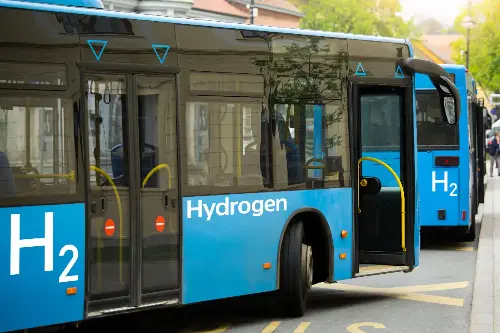
Perhaps the most exhilarating potential for hydrogen fuel cell technology lies in its versatility. While passenger cars get much of the spotlight, FCVs are also being trialled in public transport, such as buses, trains, and even marine vehicles like ferries. The silent operation of hydrogen technology makes it highly attractive for urban environments, where noise pollution is a pressing concern.
Despite the current enthusiasm, the transition to hydrogen mobility faces challenges. One of the hurdles is the infrastructure for producing and dispensing hydrogen fuel, which is not yet widely available. Costs of production and retailing hydrogen are also relatively high compared to electric and fossil fuel options, impeding FCV mass adoption. However, as technology becomes more prevalent and production scales up, these costs are expected to fall significantly.
Research and development continue at an energetic pace, spearheaded by global automakers and energy companies. Breakthroughs in storage capacity, safety measures, and fuel cell efficiency herald an era where FCVs could rival, if not outdo, their BEV counterparts. Moreover, the integration of hydrogen production using off-peak renewable energy presents an eloquent cycle of sustainability, where excess clean energy fuels the clean mobility of the future.
Looking ahead to the landscape of transportation, hydrogen's role cannot be understated. Its unique properties offer a solution that could complement battery electric vehicles, providing choice and versatility for consumers. The transition to a hydrogen economy signifies a broader change towards a sustainable, low-carbon future, one where every facet of our lives, from heating our homes to powering our journeys, is touched by green technology.
In embracing the change towards hydrogen fuel-cell vehicles, we are not just investing in new automotive technology–we are endorsing an entirely different worldview, one where we live and move within the limits of what our planet can sustain. Surely, there is no course more exhilarating, nor is there a destination more worthwhile than a clean, resilient, and vibrant world for generations to come. As we stand at the brink of this transformation, it's pivotal to inform, involve, and inspire communities to support and adopt these pioneering solutions that drive us towards a better, zero-emissions horizon.