


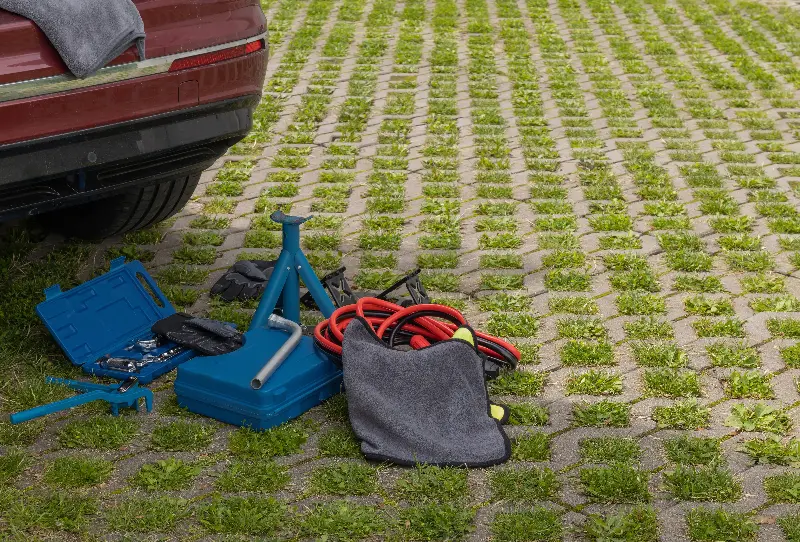
You’re halfway to that weekend getaway, singing along to your playlist, when suddenly…thump. The tire warning light flashes, and the road stretches empty for miles. It’s moments like these when a well-stocked car emergency kit transforms panic into calm resourcefulness. Whether you’re a daily commuter or a road trip enthusiast, the open road is full of surprises—preparedness is your ultimate co-pilot.
Gear up: essentials you should never leave home without
What separates an inconvenient hiccup from a full-blown crisis isn’t luck—it’s the foresight to pack smart. Let’s break down the core items every emergency kit needs, balancing practicality with compact efficiency. Start with these vital basics—the non-negotiables for any vehicle:
- Jumper cables: Batteries can die at the most inconvenient times. A set of cables makes jump-starting quick and easy, especially if you’re a long way from roadside assistance.
- First-aid kit: Include bandages, antiseptic wipes, pain relievers, and any specialty items for chronic conditions.
- Spare tire, jack, and lug wrench: Few things are as frustrating as having a flat and discovering your tools missing or unusable.
- Multi-tool: Equipped to cut, twist, or tighten, a reliable multi-tool can tackle myriad minor dilemmas.
- Flashlight and extra batteries: Essential for nighttime fixes or signaling for help.
Weathering the storm: season-specific life savers
Mother Nature doesn’t send warnings. From icy blasts to sun-scorched afternoons, the right seasonal gear can make all the difference:
- In winter: Pack an ice scraper, thermal blanket, and sand or kitty litter for tire traction on slippery roads.
- In summer: Water bottles, sunblock, and a sunshade for the windshield keep both driver and vehicle cooler and safer.
- All year round: Poncho or lightweight raincoat, so getting caught in a downpour won’t derail your plans.
Imagine being stranded during a sudden downpour or stuck in a late spring snow—those few extra supplies can swiftly shift the situation from hazardous to handled.

Small but mighty: overlooked lifesavers
While jumpers and jacks steal the spotlight, lesser-known additions earn their place through sheer utility:
- Reflective triangle and high-visibility vest: Make sure passing motorists see you during roadside stops, especially at night or in low-visibility.
- Portable phone charger: Smartphones are lifelines; keep yours powered when you need GPS or to call for help.
- Duct tape and zip ties: These humble tools patch leaks, reattach loose parts, and offer dozens of on-the-spot fixes.
- Paper map: Because GPS isn’t always reliable, especially far from cell towers.
The difference between a minor inconvenience and a dangerous delay can come down to a simple roll of tape or a charged phone.
Planning ahead: putting your kit into action
Packing an emergency kit means little if you don’t know how to use it. Take five minutes every season to refresh your memory on tire changes or basic first aid techniques. Check expiration dates, rotate water supplies, and customize your kit to fit your regular routes—and any family or pets traveling with you.
The peace of mind that comes from being prepared isn’t just about self-reliance—it’s a gentle kind of confidence that can turn stressful moments into manageable ones.
The road ahead: what will you add to your kit?
Every journey carries its risks and its rewards, and we can’t predict every hiccup. Yet, there is power in simple preparations: a flashlight on a stormy night, fresh water when traffic drags on, a calm heart when the unexpected strikes. What other clever items could become your next roadside hero? The next time you set off, give your kit a second look—it might return the favor when you need it most.