


As you wander through bustling markets, vibrant festivals, or even trendy urban spaces, the mesmerising swirls of henna on hands and feet demand your attention. But what really lies behind these intricate designs that have graced bodies for thousands of years? The art of henna, with its earthy aroma and enigmatic patterns, carries a deep heritage and a series of unexpected facts that might just make you view this ancient body art in a whole new light.
A Journey Through Time: Henna’s Ancient Origins
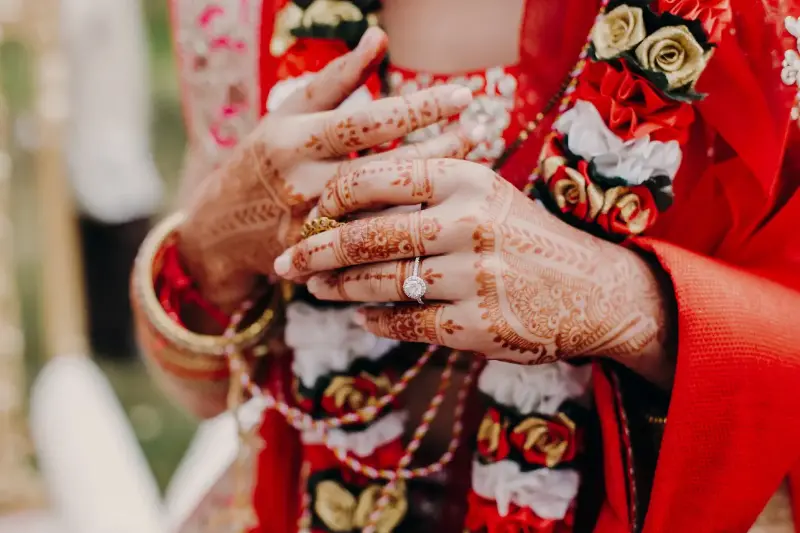
Henna, known botanically as Lawsonia inermis, traces its roots back over 5,000 years. Archaeological discoveries suggest its use in ancient Egypt, where queens and pharaohs stained their hair and nails with henna even before the age of Cleopatra. This humble desert shrub has been a staple of Indian, North African, and Middle Eastern cultures for centuries.
The spread of henna followed the ancient trade routes. Caravans carried dried leaves and fresh paste across deserts and through the Silk Road, allowing henna artistry to evolve and adopt regional influences. It was a status symbol, a natural conditioner, a cool remedy for hot climates, and, most enduringly, a cultural bridge—linking nations through art.
The Science Behind The Stain
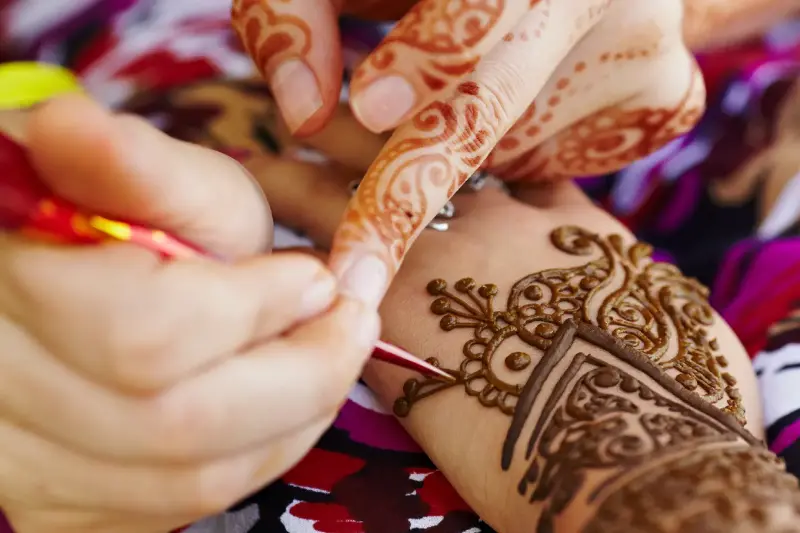
There’s genuine chemistry at play when you apply henna. When the henna paste is left on the skin, a molecule called lawsone seeps in, binding to proteins in the topmost skin layer. This is what gives that signature reddish-brown stain. The final colour depends on several factors: body temperature, skin acidity, and even how long you leave the paste on.
Interestingly, the designs may appear orange at first, only deepening to their rich hue after 24 to 48 hours—a slow reveal that makes the process all the more magical. The science is so precise that no synthetic imitation has managed to replicate the same natural allure or the earthy perfume of real henna.
Beyond Weddings: Henna Across The Globe
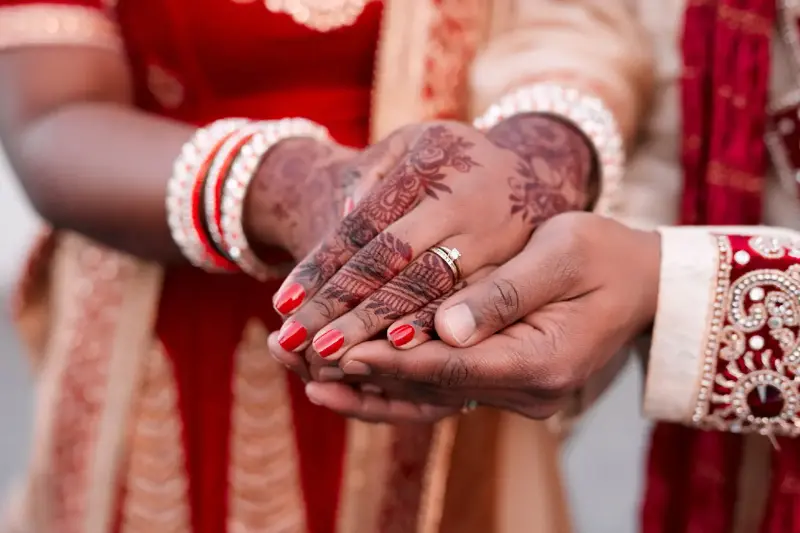
Many of us associate henna with bridal celebrations, particularly elaborate mehndi nights in Indian and Pakistani weddings. The ritual is imbued with symbolism: it promises prosperity, love, and luck. But henna’s reach is far wider.
In Morocco, women use henna for the celebration of Eid and baby showers. In Sudan, women decorate their feet with bold patterns to mark life transitions. Jewish communities in North Africa once celebrated the pre-wedding henna night as a rite of passage. Meanwhile, in Yemen, both men and women apply henna during religious festivals, painting hands and even dyeing beards.
Today, Western cultures have embraced henna as a form of temporary, pain-free tattooing, making it a favourite at music festivals, maternity photo sessions, and artistic gatherings. Its adaptability across centuries and continents is nothing short of extraordinary.
Myths, Meanings, And Superstitions
Henna is steeped in stories and beliefs. Some traditions hold that the darker the henna stain on a bride’s hands, the stronger her husband’s love or, in playful jest, her mother-in-law’s affection. Henna is thought to ward off evil spirits and protect against the “evil eye”; its presence is believed to bring blessings and positive energy.
Each pattern carries specific meanings. Peacocks symbolise beauty, flowers represent joy, and paisleys evoke fertility. In West African culture, geometric lines and dots can tell stories about social status, family, and aspirations. Tattoos may fade, but these symbols linger in memory and tradition.
Eco-Friendly And Healing Properties
Long before modern beauty products filled the shelves, henna was revered not only for its aesthetic appeal but its medicinal power. Its cooling effect helps soothe the skin in hot climates and alleviates headaches when applied to the scalp. It’s been used as a natural antifungal agent, and in traditional remedies for wounds and burns.
What’s more, pure henna leaves are eco-friendly—biodegradable, non-toxic, and safe for nearly all skin types. The sustainability of this body art stands in contrast to the synthetic dyes that often cause allergies or environmental harm.
Breaking Stereotypes: Men And Henna
While henna is often perceived as a feminine domain, men have a long and colourful history with the art. Ancient warriors used to paint their hands and arms for protection in battle. In present-day Saudi Arabia, Sudan, and parts of India, men apply it to palms, fingernails, and even their hair and beards—often as a mark of celebration, faith, or simply to enjoy its cooling effect.
In modern times, creative interpretations are challenging gender norms, with male artists and enthusiasts sharing their love for intricate henna patterns on global platforms, inspiring a more inclusive approach to this artistic tradition.

The Revival Of Henna In Contemporary Culture
Fast fashion trends come and go, but henna continues to endure. Today, renowned fashion designers and tattoo artists draw on its age-old motifs for inspiration. Body art exhibitions feature interactive henna sessions, while digital apps allow users to visualise designs virtually before committing to real henna.
From eco-friendly beauty rituals to multicultural celebrations, the art of henna is proving to be not just a tradition of the past, but a dynamic, evolving canvas for self-expression.
Underneath every swirl and motif lies a story—a connection between nature, creativity, and culture. The next time you spot henna’s unmistakable artistry, remember: this is more than body decoration; it’s a living, breathing tradition that continues to enchant, empower, and unite.