



When we look up at the twinkling canvas above, constellations often appear in groups—wrapped in mythological dramas of siblings, lovers, or heroic teams. Yet, not all constellations follow the script. Some stars shine brightest in solitude, standing apart as cosmic outliers who carve their own path across the heavens. These four remarkable constellations, each with its own flair for a solo act, are the universe's tribute to self-reliance and independence.
Ursa Minor: The guiding outsider
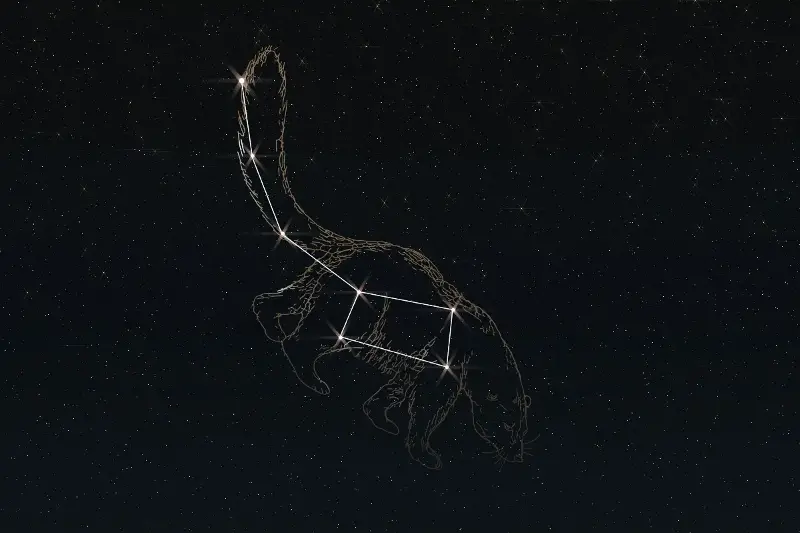
At the heart of Ursa Minor lies Polaris, the iconic North Star—a beacon for ancient travelers and explorers. Unlike its larger cousin, Ursa Major, the Little Bear seems content in its relative solitude, set apart in the northern sky.
-
Polaris stands with unwavering confidence, marking due north and commanding attention. Its position has remained almost constant for centuries, making Ursa Minor a trusted guide for solo journeys.
-
Unlike busier constellations, Ursa Minor contains few bright stars, accentuating its serene, solitary beauty.
For centuries, sailors and nomads have felt at ease charting their course beneath its steady light, trusting that sometimes, standing alone offers the clearest direction.
Crux: The Southern Cross that stands alone
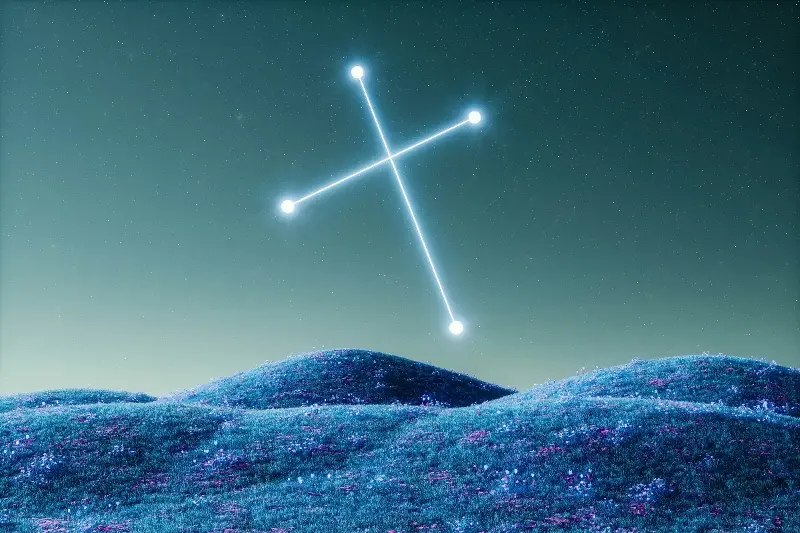
Small but mighty, Crux—famously known as the Southern Cross—has long symbolized hope and guidance for those navigating southern waters.
-
Despite its modest size, Crux is arguably the most famous constellation in the southern hemisphere, used for navigation just like Polaris in the north.
-
Its distinct shape and relative isolation among dimmer stars make it appear as if it's casting its own spotlight in the celestial theater.
-
Nations such as Australia, New Zealand, and Brazil have enshrined the Southern Cross on their flags, a testament to the allure of standing alone and shining bright.
Lyra: The celestial lyre with star power
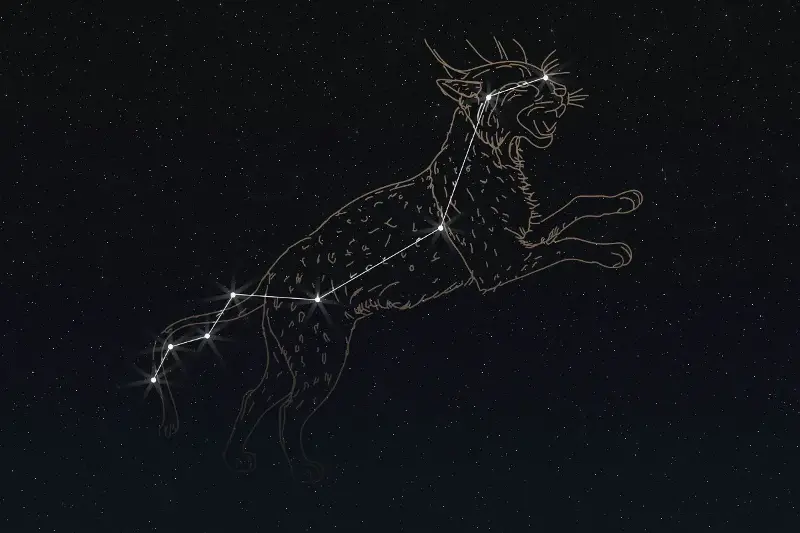
Nestled quietly away from star-packed constellations, Lyra features the stunning Vega, one of the brightest stars visible from Earth.
-
Vega sparkles so brilliantly that at times, people mistake it for a planet or even a UFO.
-
In many cultures, Lyra’s solitary charm is celebrated in legends, where it represents the mystical lyre of Orpheus—a symbol of artistry and the power of a single voice.
There’s something undeniably magnetic about Lyra’s ability to captivate us, not with numbers, but with the force of a singular note resonating through the cosmos.
Capricornus: The goat that grazes alone
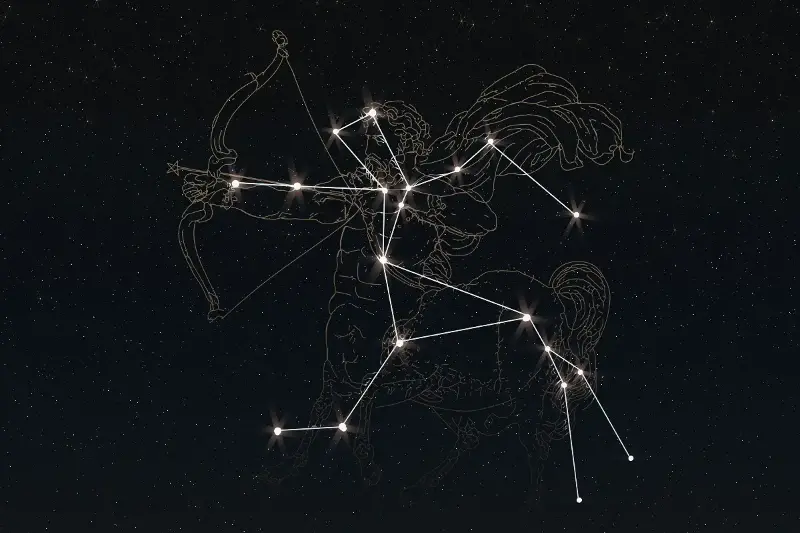
Capricornus, the Sea-Goat, stands apart from its Greek zodiac peers in more ways than one.
-
While most zodiac constellations fill the sky with dazzling numbers, Capricornus keeps a low profile, its stars subtle and soft-spoken.
-
This elusive figure occupies a courted spot on star maps, symbolizing a quest for meaning beyond the obvious.
The Sea-Goat reminds us that quiet ambition and resilience can defy even the wildest cosmic forces, thriving on the edge while remaining uniquely independent.
Solo stars: Closing thoughts on cosmic independence
The universe is vast, and its stories are as varied as the humans who gaze up at them. These four constellations—Ursa Minor, Crux, Lyra, and Capricornus—invite us to reconsider the beauty of standing alone, of being a beacon unto oneself.
Could it be that the most luminous paths are sometimes those we traverse on our own? Next time you find yourself beneath the night sky, search for these solo acts and reflect on the power and peace that comes from charting your own celestial course. After all, in the infinite tapestry above, there’s room for both dazzling constellations and daring individuals who dare to go it alone.