


Nestled in the Caucasus region, Georgia brims with rich history, breathtaking landscapes, and a diverse culinary scene that has remained relatively undiscovered by many. Georgian cuisine is a glorious fusion of Eastern and Western influences, characterised by fresh ingredients, flavorful herbs and spices, and traditional cooking methods passed down through generations. This article delves into some of the iconic dishes you absolutely must try to truly appreciate Georgia's culinary heritage.

A good starting point is khachapuri, a quintessential Georgian dish that epitomises comfort food. Imagine hot, gooey cheese encased in golden, crispy bread, often compared to pizza yet uniquely Georgian. There are several regional variations, with the Adjarian khachapuri being particularly famous. This version is shaped like a boat, with the crust forming a little canoe filled with molten cheese, butter, and a cracked egg, mixed together before diving in. Truly, it’s a slice of heaven.
Next on the list is khinkali, Georgian dumplings typically stuffed with spiced meat, although some variations include cheese or mushrooms. These dumplings are designed to be the ultimate flavour bombs. The trick lies in the delicate craftsmanship: a perfectly sealed parcel that traps a delicious broth inside. The protocol for eating them is quite specific; hold the top with two fingers, take a small bite to suck out the broth, then devour the rest of the dumpling after discarding the doughy knob at the top. Each bite provides a rush of flavour, making it impossible to stop at just one.
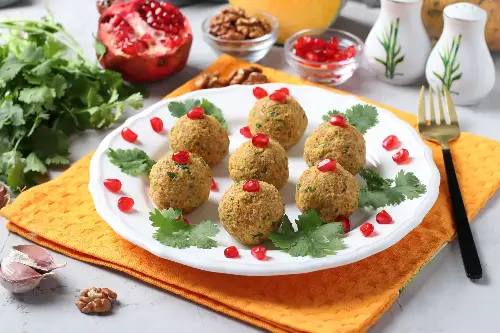
A glimpse into the soul of Georgian dining is impossible without mulling over the significance of pkhali. This traditional appetiser offers a visual and gastronomic delight: mashed vegetables such as beetroot, spinach, or aubergine mixed with ground walnuts, garlic, vinegar, and an array of herbs. The end result is a vibrant, textural spread, often garnished with pomegranate seeds, that pairs exquisitely with bread or crackers.
A dish that might surprise many is satsivi: a cold dish comprising chicken (or sometimes fish) enveloped in a rich walnut sauce. Its origins are quite ceremonial, often reserved for special occasions such as New Year celebrations. The sauce, a harmonious blend of ground walnuts, garlic, and warm spices, creates a decadently thick and creamy texture, often accentuated by subtle hints of cinnamon or saffron.
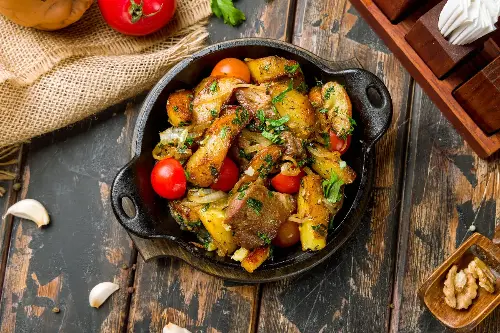
If you're seeking a hearty meal, then ojakhuri should be on your radar. Translating to "family meal," this rustic dish is as much about the flavour as it is about the sentiment behind it. Tender chunks of pork or beef are intermingled with potatoes, onions, garlic, pepper, and a medley of spices, all cooked together until caramelised and flavoursome. It is often served sizzling hot on a clay dish, making it a feast for both the stomach and the senses.
Let’s not forget the iconic eggplant with walnuts, a dish known locally as badrijani nigvzit. Thin slices of eggplant are fried and then wrapped around a creamy walnut paste. The paste, seasoned with garlic and sometimes spiked with a hint of vinegar, provides a smooth and nutty balance to the slightly bitter eggplant. Topped with pomegranate seeds, each bite offers a remarkable contrast of textures and flavours.
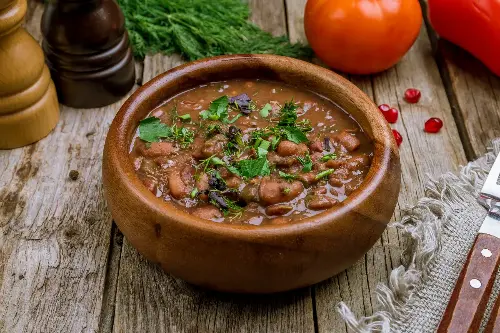
No discussion of Georgian cuisine would be complete without featuring lobio. This is a bean stew that’s simplicity belies its rich, complex taste. Made from red kidney beans simmered with onions, coriander, marigold petals, and occasionally walnuts, it's a dish imbued with rustic charm. Often served in clay pots and accompanied by cornbread, lobio is a staple in Georgian households.
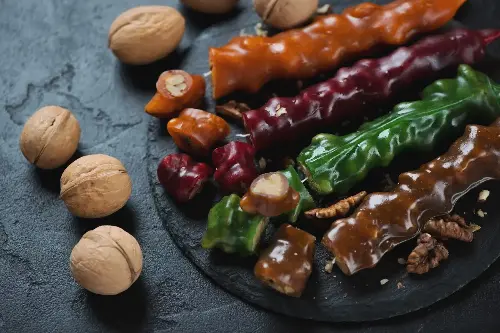
Georgian culinary adventures also lead you to Churchkhela, a snack that resembles a string of sausages but is in fact a confection. Walnuts, almonds, or hazelnuts are threaded on a string and repeatedly dipped into a thickened grape must, then dried to form a chewy, sweet treat. Often referred to as "Georgian Snickers," Churchkhela is a perfect blend of health and indulgence.
When aiming to understand Georgian gastronomy, one must also appreciate their penchant for freshness and seasonality. Local markets, farmers, and an enduring respect for traditional methods ensure that most dishes burst with natural flavours. Herbs like cilantro, parsley, and tarragon are often used in abundance, whereas the liberal use of walnuts and pomegranate seeds adds a signature touch.
Dining in Georgia isn't just about satisfying hunger; it's a journey that engages all five senses. From the tactile pleasure of crafting and eating khinkali to the visual appeal of pkhali, each experience is a cultural deep dive. Georgian cuisine reflects its historical crossroads, where East meets West, each dish a testament to centuries of influence yet distinctly unique.
In the end, Georgia's culinary scene is a tantalising mix of the traditional and the novel. Whether you're a casual enthusiast or a full-fledged foodie, these dishes offer an enthralling introduction to the treasures of Georgian cuisine. So next time you find yourself planning your culinary escapades, don't skip over Georgia—it promises a feast for the soul and the senses.