


Mastering the art of beautiful living is not reserved for professional interior designers or those born with an eye for style. Anyone can transform a house or a flat into a personal sanctuary with a few basic home decor skills. Whether you are keen on making small tweaks or ambitious enough to tackle larger projects, knowing a handful of essential skills can dramatically change the way you experience your living space. This guide will walk you through fascinating facts and clever tips to help you create the kind of home that reflects your unique taste and brings you joy every day.
Understanding Space And Flow
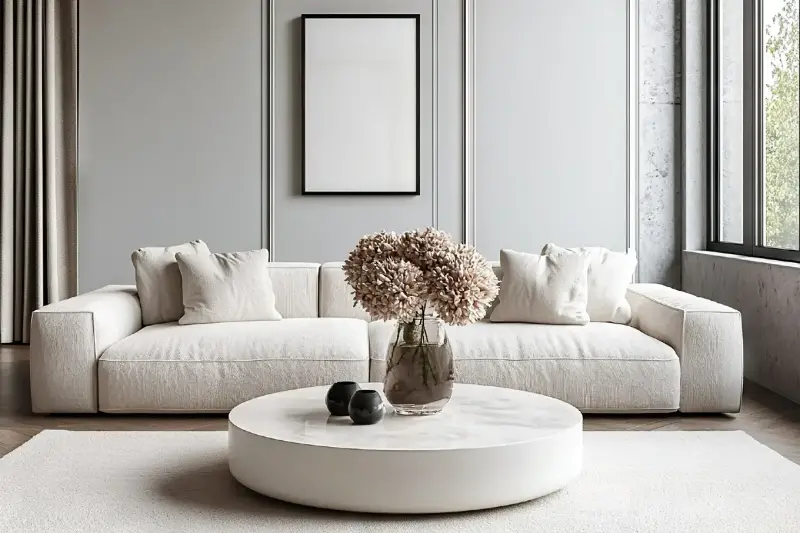
The foundation of fabulous home decor starts with an appreciation for space and how it influences movement and comfort. Before buying new furniture or picking out paint colours, take the time to observe how you and your guests navigate through your home. Interior designers often recommend drawing a simple floor plan and sketching traffic patterns to ensure that pathways remain open and rooms do not feel cramped.
One often-overlooked rule is 'less is more.' Experts agree that decluttering can visually expand any room, making it seem brighter and more inviting. Even in smaller homes or flats, clever use of multifunctional furniture—like ottomans with storage or fold-out tables—keeps spaces tidy without sacrificing style.
Lighting: Setting The Mood
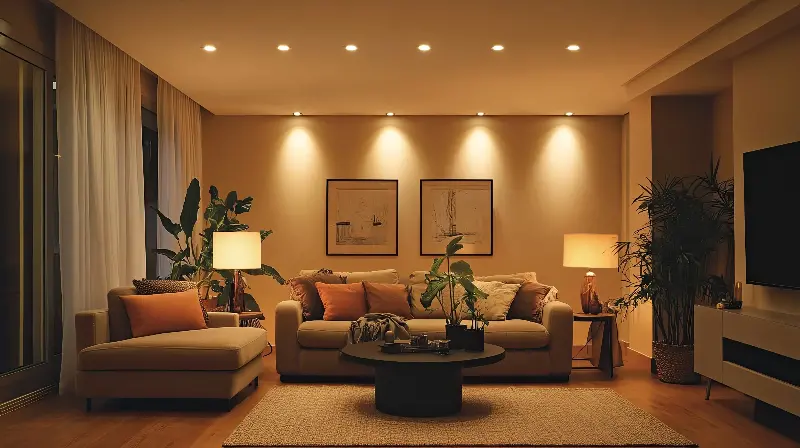
Lighting is another essential aspect that often gets overlooked. The right lighting not only illuminates spaces but also sets the atmosphere. Natural light is always best, so maximise it by choosing light, airy curtains and strategically placing mirrors to reflect sunshine throughout your rooms.
Layering your lighting is a top designer secret. Use ambient lighting (ceiling or main lights) as your base, task lighting (desk lamps, reading lights) for function, and accent lighting (spotlights, LED strips, candles) for mood. Dimmable lights now come in affordable options, giving you flexible control over your environment.
Interesting fact: The placement of lights can change the entire perception of a room’s size and warmth. For example, wall sconces positioned close to the ceiling draw the eye upward, giving the illusion of higher ceilings.
The Power Of Colour Psychology
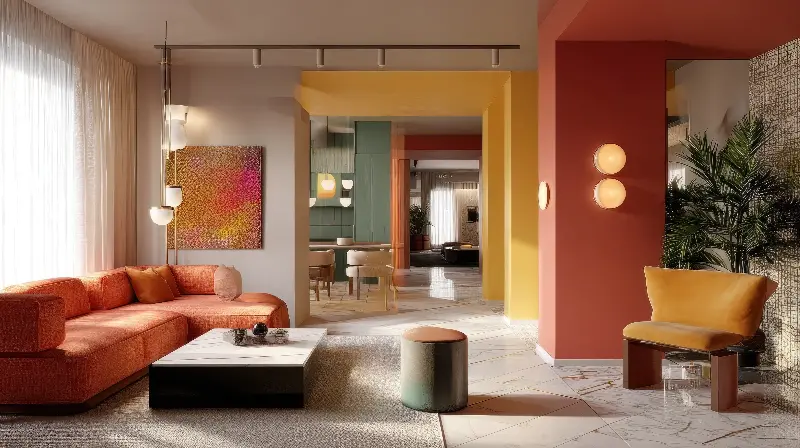
Choosing the right colours for your home is more than just following trends. Colour profoundly affects our mood and perception. For instance, cool tones such as blues and greens have a calming effect and are ideal for bedrooms and bathrooms, while warm tones like yellows and oranges can energise communal areas like kitchens and living rooms.
A fascinating practice called 'colour zoning' can help define open-concept layouts. By painting a feature wall or even just adding different-coloured textiles to a particular area, you can visually separate different parts of your home without putting up walls.
If you are unsure about bold colour choices, the classic 60-30-10 rule provides a safe framework: use one main colour for 60% of the room (such as walls), a secondary colour for 30% (upholstery, rugs), and an accent colour for 10% (decorative objects, cushions).
Textiles And Textures: Adding Depth And Warmth
A beautifully styled room isn't just about what you see—it’s also about what you feel. Textiles like cushions, throws, rugs, and curtains introduce texture that makes any space cosier and more welcoming. Mixing materials such as velvet, linen, sisal, or wool creates a pleasing tactile balance and prevents your decor from feeling flat.
Don’t be afraid to layer textures or play with patterns. Just keep a consistent colour palette and watch as your living area transforms. Even swapping out cushion covers seasonally can have a dramatic effect, giving your home a fresh new look throughout the year.
Art And Personal Touches: Telling Your Story
No two homes should feel exactly alike because no two people have the same story. Incorporating personal objects—whether it’s a collection of vintage teacups, framed photos, or artwork from your travels—immediately brings warmth and uniqueness to any space.
Hanging art at eye level (generally about 145 cm from the floor) creates a gallery-like effect. Experts say that grouping smaller pieces together in odd numbers can feel more visually balanced than even numbers. Don’t forget that open shelving is a perfect opportunity to combine books, art, and cherished keepsakes for a curated look.
Greenery: The Living Accent
One of the simplest and most effective ways to breathe life into a room is by adding plants. Not only do they purify the air, but they also add colour and a sense of calm. Snake plants, pothos, and succulents are excellent low-maintenance options even for those without green fingers.
You can use plants to fill empty corners, flank doorways, or even hang from the ceiling to add vertical interest. Terrariums and small herb gardens on window sills bring nature closer—and can even spice up your kitchen, literally!
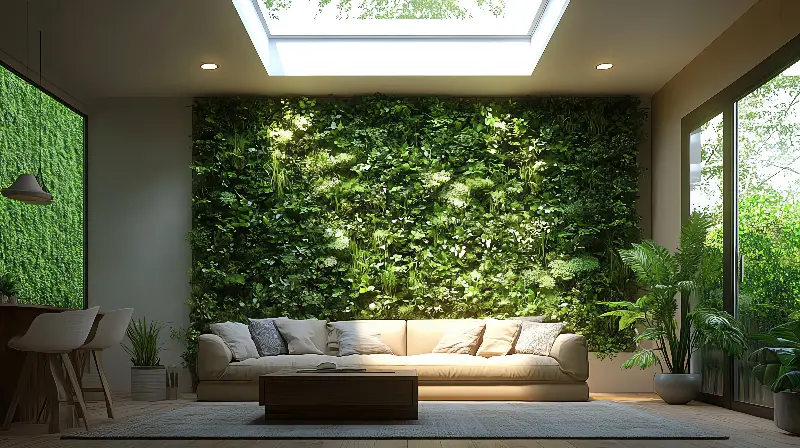
Beautiful living is a skill that can be cultivated by anyone, regardless of budget or space constraints. Start with these timeless basics: understand and honour your space, choose colours thoughtfully, embrace the power of lighting and texture, tell your own story through decor, and invite nature indoors. With these principles in hand, every home can become a haven of comfort and beauty—a true reflection of those who live within its walls.