


Fashion, for centuries, was never truly bound by gender—in fact, historical garb often blurred the lines we take for granted today.
From Skirts to Streetwear: A Brief Stroll Through Fashion’s Genderless Roots
In ancient civilisations like Rome and Egypt, both men and women draped themselves in tunics and robes. Only in the wake of industrialisation did tailored suits mark men, while ornate dresses delineated women. Yet, fashion has always been a fluid language, subtly nudging at the rules before breaking them altogether.
Fast-forward to the rebellious waves of the 1960s and 70s: icons like David Bowie and Grace Jones shattered sartorial binaries. Skirts on rockstars, oversized blazers on women—what began as counterculture gradually trickled down to designer runways, whispering, “clothes have no gender.” Today, whether it’s Harry Styles in a frock on the cover of Vogue or runway models striding in ambiguous silhouettes, gender-neutrality in fashion has not just arrived—it’s flourishing.
The Modern Unisex Movement: Redefining Style Codes
At its core, unisex fashion is more than a trend; it’s a statement. Inspired by a desire for inclusivity and self-expression, brands and designers are increasingly creating collections devoid of gender labels. Unisex design is about liberation—freeing individuals from societal expectations attached to how they “should” dress.
Key characteristics of unisex fashion today include:
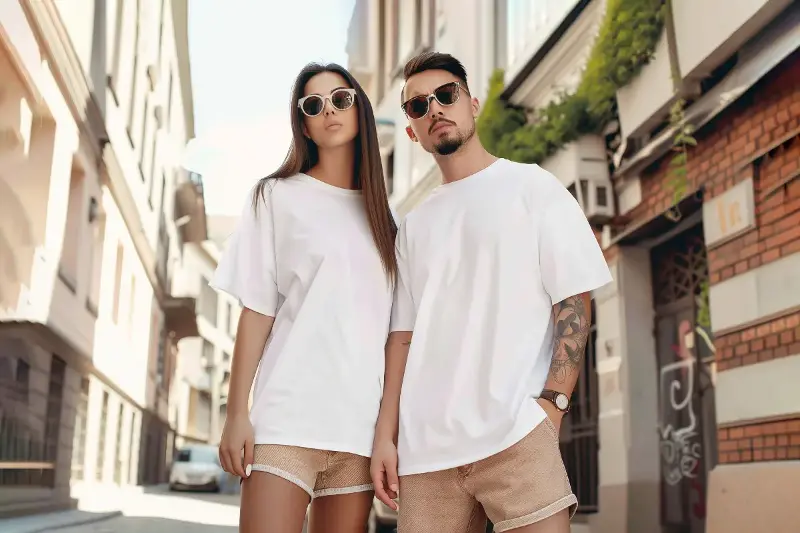
- Neutral colour palettes—think earthy tones, black, white, or pastels.
- Relaxed fits and boxy cuts, offering comfort and adaptability.
- Multi-use accessories like scarves, hats, and belts that transcend masculine or feminine styling.
Major names like Gucci, JW Anderson, and Telfar are consistently challenging the idea that fashion must choose a side. Even on the high street, brands like Zara and H&M now feature genderless sections in their stores and online. “It’s about allowing people to be who they want to be without boundaries,” designer Rad Hourani once said—a sentiment echoing across today’s shopping aisles.

Empowerment Through Expression: Why It Matters
A striking effect of unisex fashion is the empowerment it creates by redefining what it means to be oneself in society. Clothes, once tools for conformity, now offer a canvas for authentic self-representation.
Unisex fashion fosters confidence and autonomy, especially among:
- Young people exploring identity, finding solace in choice rather than restriction.
- Men and women in conservative cultures, quietly subverting gender expectations.
- The LGBTQ+ community, discovering visibility and acceptance through wearable freedom.
Psychologists note that when individuals dress as they feel rather than as they’re told, self-esteem and societal understanding flourish. The removal of gendered fashion ‘lines’ sends a powerful message: your worth isn’t defined by a label sewn into your collar.
Behind the Scenes: A Glimpse Into The Industry Shift
What was once a niche is becoming the new norm, thanks to changes in both production and perception. Some driving forces:
- Sustainability: Unisex collections mean less waste—one item suits all, which supports circular fashion initiatives.
- Digital influence: Social media has granted a voice to those previously unseen, pushing demand for diverse representation.
- Celebrity power: Influencers and stars defying gender conventions inspire millions, amplifying unisex fashion’s reach.
Brands are also rethinking everything from fitting rooms to marketing campaigns—inviting everyone to ‘shop the look,’ not ‘shop by gender.’
The Road Ahead: Fashion With No Borders
As the unisex movement evolves, expect to see even bolder fusions—fabrics, cuts, and aesthetics that reference cultures and eras but belong to no single group. The rise of customisable, made-to-order textiles promises an even more personal touch, where the question “who is this for?” becomes irrelevant.
In the end, unisex fashion isn’t just about clothes—it’s a quiet revolution, intimately tied to the way we see ourselves and others. It reminds us that real style listens, adapts, and celebrates the beautiful messiness of becoming who we truly are.
What could the future hold as more boundaries dissolve—not just in fashion, but in the stories we tell about each other and ourselves? Perhaps the most exciting looks are yet to be imagined—by you.