


Every parent waits anxiously for that magical moment—the first tiny steps their baby takes. The baby walking stage is a milestone filled with excitement, pride, and a sprinkle of anxiety. But what most parents don’t realize is that this stage is much more than a physical achievement; it’s a period of astounding growth, curious exploration, and, yes, a few unavoidable tumbles. If you’re standing on the edge of this big moment, or already in the midst of chasing a wobbly toddler around the house, knowing a few surprising essentials can make all the difference. Here’s what you need to keep in mind to make every early step matter.
The Science Behind Those Wobbly Steps
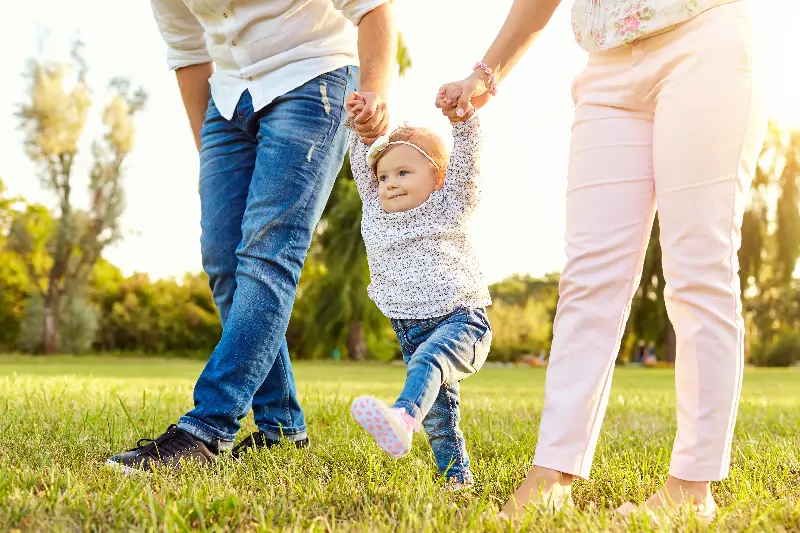
It might surprise you to know that babies usually take their first steps anywhere between 9 and 18 months. This wide range isn’t just due to differences in personality—walking is a complicated mixture of muscle strength, balance, coordination, and confidence. Even when your baby is just pulling up to stand or bouncing on your knees, they’re building the core and leg muscles needed for walking. Pediatric researchers point out that early walkers aren’t necessarily more advanced than their peers; what matters most is the steady improvement in balance and movement.
Watching your baby teeter with their outstretched arms in the “frankenstein” walk might look funny, but those arms are doing an important job. With each attempt, their nervous system is mapping out how to balance upright and stay safe. This is why falls are normal. In fact, pediatric specialists estimate that new walkers can fall as often as 17 times per hour! So, keep celebrations high and anxieties low—those tumbles are just rehearsals for future success.
Creating a Safe and Supportive Space
One of the most important things you can offer your aspiring walker is a safe, clutter-free environment. That means clearing sharp-edged furniture out of common play zones, securing furniture to the wall (especially bookshelves), and using baby gates at the top and bottom of the stairs. Don’t forget that curious hands like to grab tablecloths, cords, and anything dangling within reach, so it’s wise to keep those out of the way too.
Interestingly, experts now recommend letting babies walk barefoot at home as often as possible. Those adorable little shoes can wait. Bare feet help babies develop balance and strengthen the muscles and tendons in their feet. The natural grip and feedback from the floor helps them adjust their steps and improves coordination. If you have hard or cold floors, consider using non-slip socks or soft-soled slippers for some added grip without the restriction of stiff shoes.
Encouragement Over Intervention
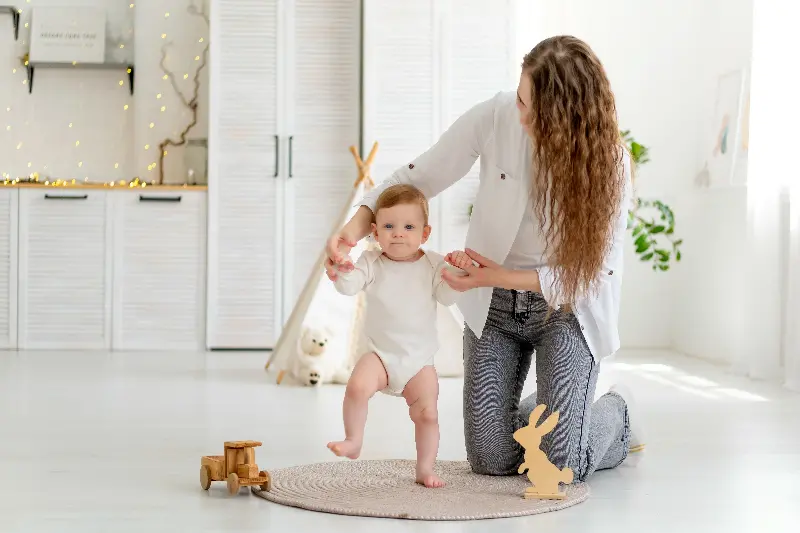
It’s easy to feel compelled to direct every step or to get anxious if your baby isn’t matching another child’s walking timeline. In reality, the best approach is gentle encouragement over intervention. Hold your baby’s hands and let them pull up to a standing position, or use sturdy furniture for support rather than walking aids that promise “quicker” progress. Walkers and jumpers, while tempting, actually slow down physical development by providing artificial support, which delays important muscle strengthening.
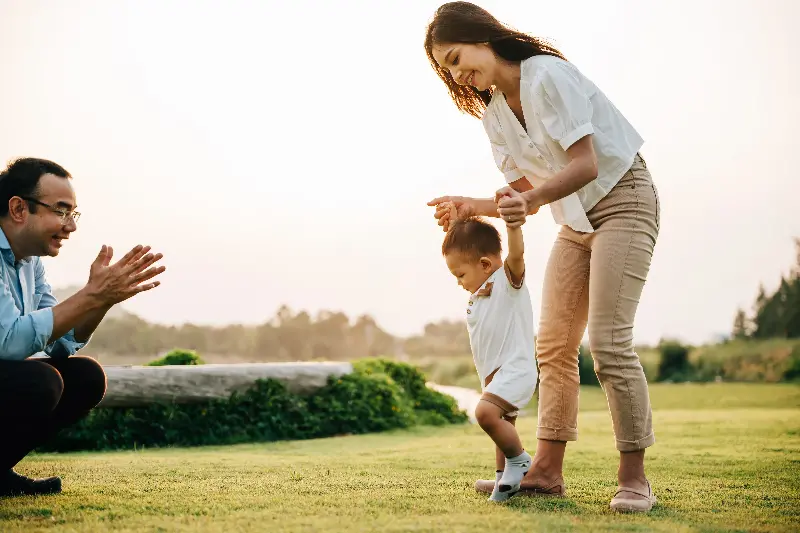
Celebrate even the smallest progress with enthusiastic applause—social encouragement is more motivating than you might think! For both boys and girls, seeing delight on a parent’s face is all the reassurance a new walker needs to keep going after a fall.
Shoes: When and What to Choose
While it’s fine for babies to go barefoot indoors, you’ll need to choose the first real pair of shoes for outdoor exploring. Pediatricians recommend soft, flexible shoes with non-slip soles, just enough to protect tiny feet but without restricting their movement. Avoid shoes with hard soles, arch supports, or too-tight fits; baby feet are still developing, and they need to splay and flex naturally with every step.
Watch for signs that shoes are too small: red marks, blisters, or toes curling under. Babies’ feet grow rapidly at this stage—sometimes as much as half a size every two months. Regularly check the fit and let your child try shoes on new surfaces to ensure comfort and stability.
Supporting Emotional Milestones
Physical development is just half the story. The walking stage sparks significant changes in a baby’s confidence and independence. Don’t be surprised if you suddenly have a much more adventurous explorer on your hands—or a child who, at times, wants to cling to you even more than before. Both reactions are normal as children test the boundaries between dependence and independence.
Separation anxiety might briefly increase as your baby realizes their feet can take them farther away from you. Offer steady reassurance, plenty of cuddles, and the freedom for safe exploration. Turn walking practice into a game: encourage your baby to walk to you for hugs, or set up favorite toys just out of reach.
Fun Facts and Final Thoughts
Did you know babies actually practice walking in their sleep before those first steps? Sleep researchers have captured footage of infants making “stepping” motions as early as six months old—proof that there’s a lot going on behind those sleepy eyelids!
In every household, the baby walking stage marks the beginning of endless possibilities. With the right mix of encouragement, patience, safety precautions, and tons of enthusiasm, you’ll not only help your child master their milestones but enjoy every adventurous step along the way.