


Few family experiences capture the magic of childhood quite like the pitter-patter of paws beside the patter of little feet. Yet, beyond the sheer delight of a furry companion, research reveals that raising a pet alongside your child holds astonishing emotional and developmental benefits—some of which may genuinely surprise you.
A World of Companionship: More Than Just a Furry Friend
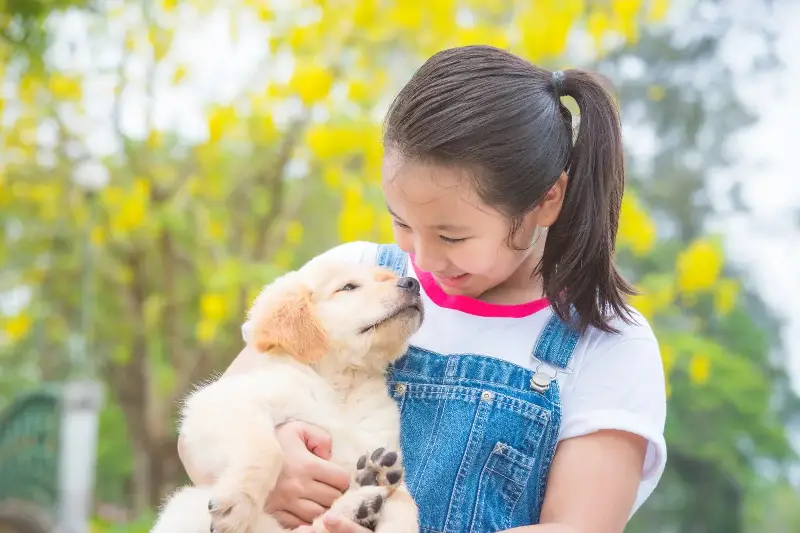
For children, pets are more than animals—they become confidants, teaching the nuances of unconditional love and loyalty. Witnessing your child’s laughter at a puppy’s antics or a kitten curled up for story time isn’t just adorable; it’s transformative. The sensory touch of soft fur, the lively noises of a pet’s play, and even the earthy smell after a romp in the garden awaken a child’s world to beauty and connection.
Research shows that children who grow up with pets are more likely to develop empathy and strong emotional bonds. Pets provide a safe space for expressing feelings, especially for little ones who might not yet have the words for their emotions. The gentle nuzzle of a dog or the patient companionship of a cat can soothe anxieties and ease loneliness, offering a reassuring presence through life’s ups and downs.
Building Responsibility: Little Hands, Big Lessons
Imagine a child carefully measuring out dog food, topping up a water bowl, or brushing a glossy coat—their first taste of responsibility wrapped in a sense of purpose. Caring for a pet encourages:
- Routine: Scheduled walks or feeds structure a child’s day.
- Accountability: Forget the puppy’s dinner, and you’ll spot those sad eyes.
- Teamwork: Family chores transform into joint missions—who gets to play, feed, or tidy up?
In addition, studies highlight that children with pets develop better self-esteem and social skills. They learn early on that their actions affect another’s well-being—a powerful life lesson, delivered with tail wags and purrs.
Emotional Superpowers: Compassion and Confidence Bloom
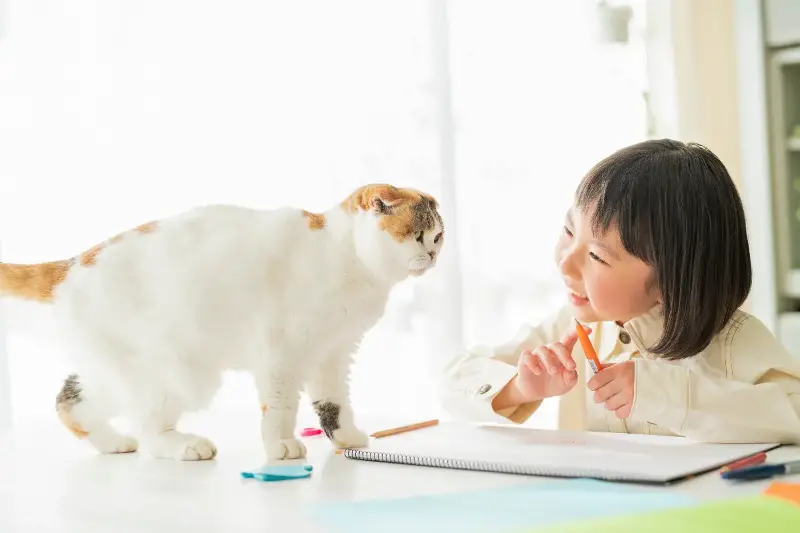
The emotional landscape of childhood can be as wild as a puppy’s first snow day. Pets offer calm amid the chaos, teaching children vital soft skills. When a goldfish dies or an ageing dog grows ill, families navigate grief together, gently introducing the idea of life’s cycles. This fosters resilience and healthy ways to process complex feelings.
- Children who grow up with pets tend to:
- Express emotions more openly.
- Recognise non-verbal cues—understanding when their pet is happy, scared, or in need of space.
- Show greater compassion towards both humans and animals.
Teachers often notice that these children are better at sharing and collaborating. A classroom might not have a resident rabbit, but the lessons brought from home ripple outwards.
Boosting Body and Brain: Surprising Health and Learning Benefits
Four-legged friends get bodies moving, from muddy garden adventures to playful tug-of-war in the living room. But did you know there’s hard evidence pets can keep kids healthier? Studies suggest children exposed to animals from an early age are less likely to develop allergies and asthma, as their immune systems become more robust.
Also:
- Active play with pets supports physical development: coordination, strength, and balance flourish when chasing a ball with the family dog.
- Reading aloud to a non-judgemental pet boosts literacy skills—shy readers may find their first “audience” in a patient pooch or purring cat.
- Problem-solving kicks in, too, as children figure out how to train or care for their animal companions.

Family Harmony: Shared Joy and Meaningful Memories
Pets have a way of drawing families together—think spontaneous photo sessions, giggles on a walk, or tender moments at bedtime. These shared experiences become the glue that binds, creating a trove of cherished memories.
Siblings may find common ground in a shared love for their pet. Parents gain insights into their children’s personalities, watching how each interacts, cares for, and cherishes their animal friend. The home fills with stories—some hilarious, others poignantly sweet.
Raising a pet isn’t always easy; it calls for patience, flexibility, and resilience. Yet the effort, the early-morning walks, the muddy footprints on the carpet, all blend into a richer, more connected family story.
If you’ve ever wondered whether a pet is right for your family, consider not just the joy they bring but the lifelong emotional and developmental head start they offer your child. After all, what price could you place on a childhood spent in the loving company of a loyal friend? Perhaps the question isn’t whether your child is ready for a pet, but whether your family is ready for the extraordinary journey that unfolds—with every wag, purr, and loving glance.