


Pregnancy is an extraordinary journey filled with anticipation, excitement, and a dash of worry about how to keep yourself and your growing baby safe and healthy. You might know to double down on greens and prenatal vitamins, but did you know that some everyday foods could pose unexpected risks? Navigating the world of pregnancy nutrition can feel overwhelming, especially with long lists of dos and don'ts. To help you feel more confident about your choices, here are eight surprising foods that mums-to-be should avoid for a worry-free pregnancy.
Soft Cheeses And Dairy Dangers
A creamy brie on a cracker or a slice of blue cheese pizza might seem harmless. However, soft cheeses made from unpasteurised milk can harbour listeria, a bacteria that causes listeriosis. This infection can lead to miscarriage, premature birth, or severe illness in newborns. Even if some cheeses are pasteurised, they should be consumed with caution as they can still become contaminated during processing.
Steer clear of camembert, feta, blue cheese, and other soft varieties unless you're certain they are made from pasteurised milk and handled hygienically. Instead, opt for hard cheeses like cheddar, parmesan, or cheeses clearly labelled as pasteurised for a safer alternative.
Raw And Undercooked Eggs
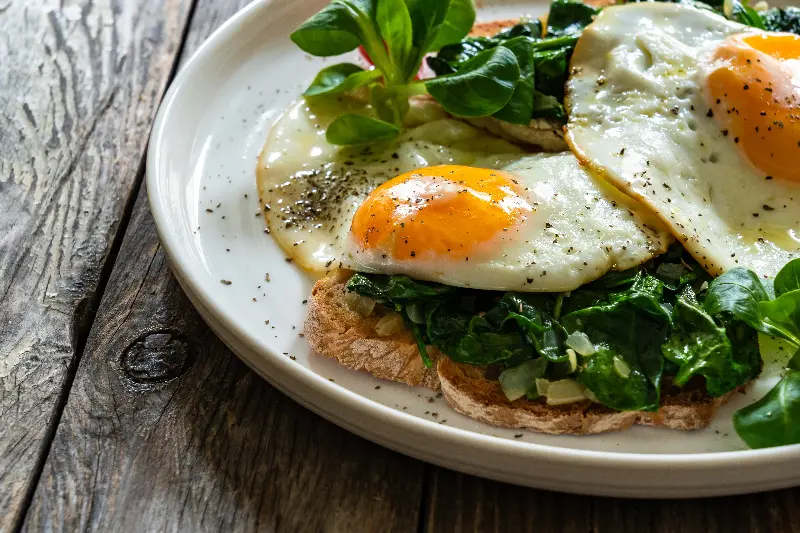
Eggs are packed with protein and vital nutrients, but consuming them raw or undercooked during pregnancy introduces a risk of salmonella infection. This can cause vomiting, diarrhoea, fever, and stomach cramps, which are unpleasant for anyone—but pose extra risks in pregnancy, including dehydration and even preterm labour.
Popular foods to watch out for include homemade mayonnaise, some desserts like mousse and meringue, runny poached or fried eggs, and salad dressings containing raw eggs. Always cook eggs until both the white and yolk are firm, and consider pasteurised egg products when preparing recipes that traditionally use raw eggs.
Deli Meats And Pre-Packaged Sandwich Fillings
Pre-sliced meats, pâtés, and pre-packaged sandwiches found in convenience stores seem handy during busy pregnancy days. Yet, these meats can contain listeria bacteria even when kept refrigerated, as the bacteria can grow at cold temperatures. These products also commonly contain high levels of salt and nitrates, which are best limited in pregnancy.
Skip luncheon meats, cold cuts, and ready-to-eat chicken or seafood salads unless they are freshly cooked and steaming hot. If you crave a sandwich, opt for home-cooked meats, or heat deli meats until piping hot to reduce the risk of contamination.
Certain Types Of Fish And Sushi
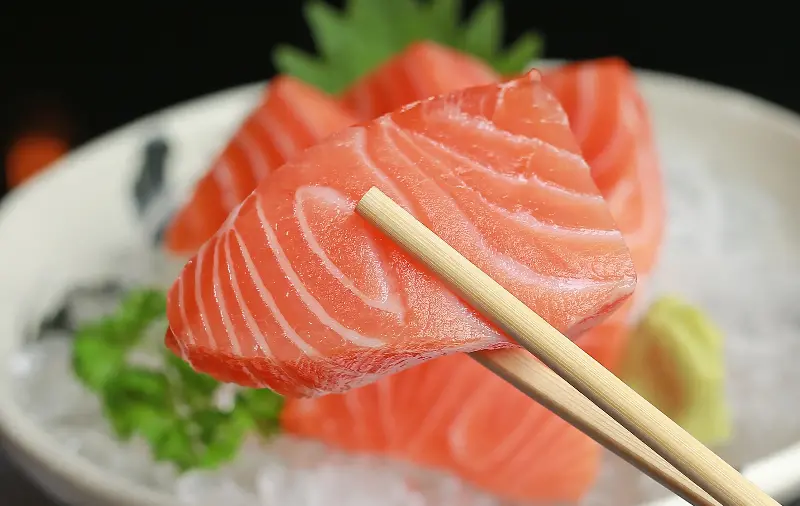
Seafood is a fantastic source of omega-3 fatty acids and protein, but not all fish are created equal for expectant mothers. High-mercury fish such as shark, swordfish, king mackerel, and marlin can affect the developing nervous system of your baby. Raw fish, including in sushi and sashimi, poses risks of parasites and bacteria.
Pregnant women should also be wary of raw shellfish such as oysters or mussels, which are prime carriers of harmful bacteria and viruses. Instead, enjoy cooked low-mercury fish like salmon, sardines, or cod a couple of times a week for their health benefits, and save the sushi celebration for after your baby arrives.
Unwashed Fruits And Vegetables
Filling up on fruits and vegetables is key during pregnancy, but failing to wash produce thoroughly can expose you to harmful bacteria, toxoplasma, and pesticides. Toxoplasmosis, caused by a parasite often found in soil, can result in complications such as miscarriage or vision and brain damage in your baby.
Make it a habit to wash all fruits and vegetables under running water, scrub the surfaces of firm produce, and peel when possible. This simple step significantly reduces the risk of transmitting infections and keeps both you and your baby safe.
Caffeine Overload
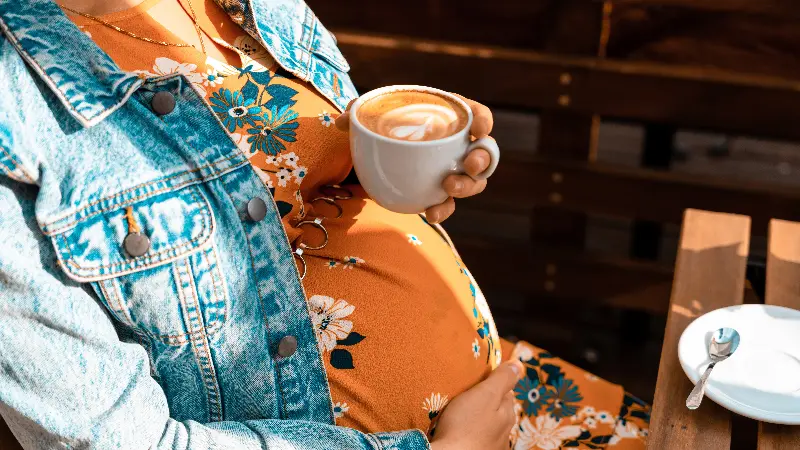
While a cup of tea or coffee seems innocent, consuming high amounts of caffeine during pregnancy has been linked to increased risk of miscarriage and low birth weight. Caffeine is not only present in tea and coffee, but also in chocolate, energy drinks, and some medications.
Current guidelines suggest limiting intake to less than 200mg per day—the equivalent of about one mug of filter coffee or two cups of tea. If in doubt, check the caffeine content of your favourite drinks and consider switching to caffeine-free or herbal alternatives.
Liver And Liver Products
Liver is packed with vitamin A, but too much of it can pose risks to a developing baby. Excessive vitamin A, especially in the form of retinol found in animal liver and liver pâté, can cause birth defects and liver toxicity.
Pâtés also often contain the added risk of listeria, making them a double no-go for pregnant women. Focus on obtaining vitamin A through safe sources such as colourful fruits and vegetables rather than liver or liver-based spreads.
Alcohol In All Forms
You may have heard that a glass of wine won't hurt, but current scientific consensus is clear—there is no safe amount of alcohol during pregnancy. Alcohol can cross the placenta, affecting your baby’s development and increasing the risk of miscarriage, pre-term birth, and lifelong conditions such as foetal alcohol syndrome.
It’s safest for expecting mums to abstain completely from beer, wine, spirits, and even those tempting cocktails at celebrations.
Pregnancy comes with enough surprises; your diet shouldn’t be one of them. Knowing what to avoid helps ease anxieties and keeps you focused on the joys of anticipation. With just a few adjustments, you can confidently nurture yourself and your baby through every stage of this incredible journey, making every meal a little celebration of the health and happiness to come.