


Chopsticks have long transcended their humble origins as cooking utensils to become globally recognised symbols of Asian dining etiquette. With a history that stretches back thousands of years, these slender sticks are more than mere tools for food consumption; they are cultural icons replete with dos and don'ts that vary from country to country. Understanding these nuances can go a long way in avoiding cultural missteps and enjoying a respectful meal, regardless of whether you’re dining in Beijing, Tokyo, or Seoul.
In China, where chopsticks are believed to have originated, they are known as "kuaizi." Historically, chopsticks in China are longer than those found in other Asian countries and usually made of materials ranging from bamboo to more lavish options like ivory or jade for the elite. It’s important to remember when using chopsticks in China not to stick them vertically into a bowl of rice. This resembles the incense sticks burned at funerals and is considered a bad omen. Additionally, avoid using them to point at someone or something, as this is regarded as impolite.
When sharing dishes, which is common in Chinese meals, it's customary to use the reverse end of the chopsticks to pick up food from the communal plates if separate serving utensils are not available. This practice is a sign of good hygiene and respect for your fellow diners.
In Japan, chopsticks, or "hashi," have their own set of rules. Chopsticks here are often shorter and have pointed ends, reflecting the Japanese attention to delicate cuisine and detail. One crucial etiquette tip is to not pass food directly from one set of chopsticks to another, as this mimics a funeral ritual where bone fragments are passed between family members during cremation rites. Also, when pausing during a meal or when finished eating, place your chopsticks on a chopstick rest, or "hashioki," if one is provided. Never leave them crossed on the table or sticking out of a dish, as these also have negative connotations.
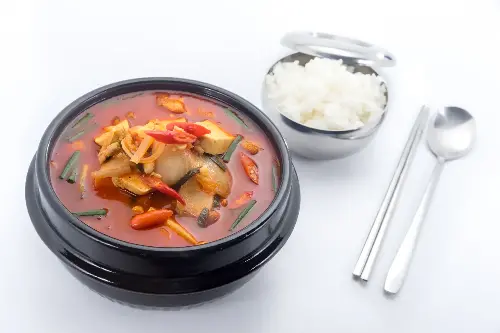
In the culinary world of Korea, "jeotgarak" are the chopsticks of choice. Typically made of metal, which is unique compared to their wooden or bamboo counterparts in neighbouring countries, Korean chopsticks can be a bit more challenging to handle due to their slippery surface. In Korea, an essential point to remember is that chopsticks should never be raised higher than your mouth, which is a gesture of humility and proper table manners. Moreover, when not in use, it is polite to lay them down in front of you, with the tips resting on the chopstick rest or the table, never on top of your bowl.
It is also worth noting that across these nations, it is considered poor taste to dig around in a dish with chopsticks seeking a particular item, a behaviour referred to as "digging your grave" or "grave-digging," which is as unpleasant in implication as it sounds.
A point of etiquette that spans all these cultures is the importance of not fiddling with your chopsticks. They are not toys or drumsticks, and using them as such is disrespectful. It detracts from the dining experience and shows a lack of respect for the meal and the company.
As one becomes more adept with chopsticks, it’s almost inevitable to develop a personal style, but one should always be conscious of the traditions and expectations of each nation’s dining etiquette. For instance, in some regions, it might be common practice to slurp noodles directly from the sticks, while in others, it would be a noisy nuisance. Observing locals and asking for guidance when unsure is a helpful approach.
While these cultural pointers primarily cater to traditional dining etiquette, the modern world is a melting pot, and many restaurants across these countries are accustomed to foreign diners. In tourist-friendly establishments or cosmopolitan areas, you might find a more relaxed attitude towards chopstick faux pas, but just as with any aspect of cultural etiquette, it is better to err on the side of caution and respect.
Understanding how to use chopsticks correctly and the cultural significance behind these subtle dining practices can greatly enhance the experience of any meal. Not only does it show respect for the cultural traditions, but it also demonstrates an openness to learning and adapting to new ways of experiencing the rich culinary worlds of different countries. Whether it’s your first time picking up a pair of chopsticks or you’re a seasoned pro, taking these cultural cues into account will no doubt lead to a more authentic and enjoyable dining experience.