


How Satellite Networks Are Unlocking High-Speed Internet in the World’s Most Remote Places
Imagine standing on a windswept mountain ledge in New Zealand, or nestled in the forested heart of Poland, and streaming your favorite series in high definition without interruption. Not so long ago, this would have been a technological fantasy - today, it’s fast becoming a global reality.
High-speed internet is no longer just for sprawling cities or suburban paradises. Thanks to revolutionary satellite networks, even the most secluded corners of the planet are getting connected. But how is this wave of connectivity washing ashore in places once thought unreachable? And what could it mean for you, wherever you call home?
Picture the scene: dusk in a rural Ukrainian village, lanterns flickering to life as night sets in. Households watch news from across the globe, children access world-class education online, and local entrepreneurs expand their businesses past borders, all powered by a constellation overhead. This is no futuristic fiction. This is the new face of the internet.
Voi are about to discover how satellites are transforming the digital divide - and changing lives in ways that ripple far beyond the screen.
A sky full of promises: the rise of satellite constellations
Satellite networks have orbited above us for decades. But for much of that history, they mainly powered GPS or connected only the wealthiest corporations. What’s changed?
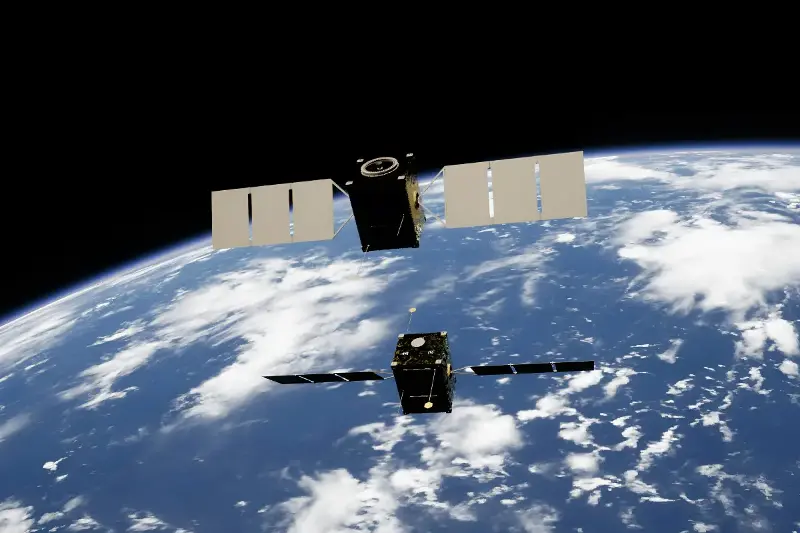
- Low Earth Orbit (LEO) satellites: Unlike their predecessors, these nimble satellites soar just hundreds of kilometers above Earth. By crisscrossing the sky in synchronized patterns, they provide near-global coverage with minimal signal lag.
- Constellations, not just single stars: Think hundreds or even thousands of satellites, working together to blanket vast territories - from the icy ridges of Switzerland to isolated outposts in rural Ireland.
- Faster than ever: LEO networks slash the frustrating delays (latency) that once plagued satellite internet, delivering speeds that can rival fiber connections.
The names making headlines? Starlink, OneWeb, Amazon’s Project Kuiper, and more - all in a cosmic race to turn the nocturnal sky into an invisible web of connectivity.

How does it work? A seamless journey from space to home
You might wonder, what really happens when voi click 'connect' on a remote Polish farm or a luxurious Swiss chalet? Here’s how the magic unfolds:
- Transmission powered by thousands of satellites: Each LEO satellite receives and beams internet signals as it orbits overhead.
- A dish with a view: User terminals, which look like small satellite dishes, automatically scan the sky to lock onto the right satellite, even as they zip across the heavens.
- Ground stations in the mix: These ground-based points act as translators, linking satellites to the web’s global backbone.
- Seamless handoff: As one satellite moves out of range, another seamlessly takes over, so voi never lose your connection - whether you’re by a Belgian canal or lost in New Zealand’s wilds.
The impact: bridging the digital gap, opening new worlds
The implications of this unfolding revolution feel almost cinematic. For families, it means children in remote schools gain access to world-class resources and global classrooms. For small businesses, location is no longer a barrier to growth and innovation. For healthcare, remote diagnostics, telemedicine, and emergency alerts are now within reach of isolated communities.
Bullet points bring home just how transformative this can be:
- Lifestyle freedoms: Work-from-anywhere dreams become reality, from the Highlands of Scotland to the valleys of Luxembourg.
- Economic uplift: Rural regions can launch startups, attract visitors, and connect with world markets.
- Sustainability bonuses: Tech-powered farms and climate monitoring suddenly flourish in remote areas, from German forests to Irish plains.
- Disaster resilience: In crisis zones like Ukraine, rapid-deployment internet keeps aid flowing, families informed, and communities connected even amid turmoil.
Beyond borders: the future beckons
Will satellite networks solve every connectivity challenge? Restrictions and hurdles remain - weather interference, regulatory red tape, and ensuring access is truly affordable for all. Yet, each new connection adds to a global patchwork where no one remains in the digital shadows, where creativity and opportunity are sparked by a beam from the stars.
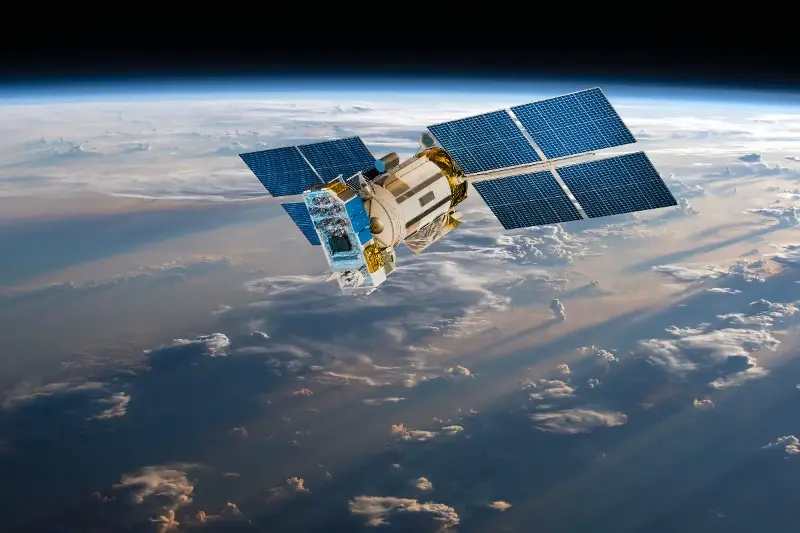
As the sky fills with satellites, life on the ground quietly transforms - sometimes subtly, sometimes in spectacular leaps. Voi are witnessing not just a technological upgrade, but a remapping of what’s possible when boundaries of geography and privilege start to blur.
So next time you look up at the night sky, imagine invisible threads weaving new ties across oceans and mountains. What stories, businesses, and communities might emerge when distance is no longer a barrier? The answer is waiting in the stars - and, quite possibly, right where voi are.