


Whether you’re wrangling toddlers or negotiating with teenagers, the quest for work-life balance feels like solving a riddle with no answer. Yet, around the world, innovative parents are reclaiming their time in surprising ways. Rather than drowning in guilt or pressure, families across cultures are discovering creative solutions to give both careers and kids the attention they deserve—and finding happiness along the way.

Sweden’s Parental Leave Revolution
Sweden regularly tops global rankings for work-life balance, and it’s not hard to see why. Parents here enjoy a generous 480 days of paid parental leave per child, which can be shared freely between both mums and dads. The aim? To encourage fathers to take serious time off as well. In fact, Swedish dads typically take three to four months of leave, helping to level the playing field at both home and work.
What’s fascinating is how this impacts family dynamics. Swedish children benefit from strong early bonds with both parents, while mothers are more able to return to work without long-term career setbacks. Flexible working hours are the norm—even for senior roles—meaning it’s common to see parents (yes, dads too) exiting boardrooms at 3 pm for school pick-up or outdoor fika, a Swedish coffee break.
Japan’s “Ikigai” and the Art of Meaningful Routine
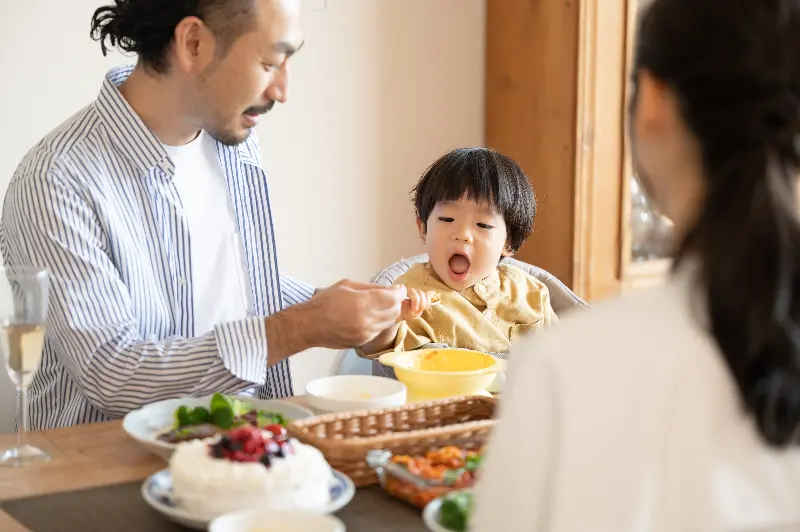
Japan’s work culture is often viewed as intense, yet a new generation of parents is redefining its contours with the concept of “ikigai” — a sense of purpose found in daily life. Japanese families are increasingly prioritising quality over quantity of time with their children, weaving meaningful rituals into otherwise busy schedules.
For instance, many families practise “kazoku no jikan” (family time), a sacred evening hour when work devices are set aside in favour of shared meals, storytelling, or traditional activities like origami. The idea is simple: even a routine weekday can be transformed into a cherished memory. This approach balances ambitious careers with deep parent-child connections—proving that harmony, not hours, is the new parenting gold standard in Japan.
Brazil’s Multigenerational Households and Community Childcare
In Brazil, the phrase “it takes a village to raise a child” is taken quite literally. Multigenerational living is common, with grandparents, aunts, and uncles playing active roles in child-rearing. This collective approach allows working parents more freedom and flexibility, knowing their children are cared for by trusted family members.
For example, it’s not unusual for a Brazilian grandmother to pick up grandchildren from school while parents are still at work. Community-driven support networks mean parental duties are shared, reducing burnout and stress. Research shows that children in these extended families often develop strong intergenerational relationships and benefit from diverse life lessons—while parents reclaim precious hours for themselves.
The Dutch Secret: “Part-Time Paradise”
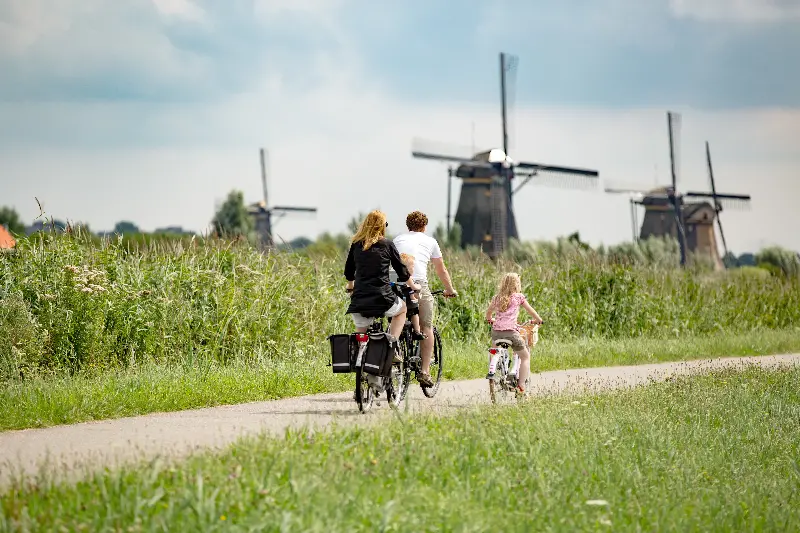
The Netherlands has quietly become the global champion of the part-time job. Over 75% of working mothers and nearly 30% of working fathers in the Netherlands are on part-time contracts—not out of necessity, but by choice. This allows both parents to share child-rearing and career development without feeling stretched too thin.
Dutch workplaces typically respect personal boundaries: emails after 6 pm are rare, and parents can count on protected “family hours” in the evenings. Thanks to this approach, Dutch children consistently rank among the happiest in the world, according to UNICEF. Parents point to simple pleasures—like daily family bike rides or pancake breakfasts—as proof that a little more time together makes all the difference.
The Four-Day Workweek: A Global Experiment
Around the globe, the traditional workweek is under review. Iceland’s pioneering trial of a four-day week found that productivity not only stayed the same but often improved. Workers reported less stress, and crucially, parents found themselves able to attend school performances and enjoy more unhurried mornings.
Spain, New Zealand, and even some companies in the UK are now trialling similar schemes. While still a work in progress, these experiments hint at a future where families have more choice in how—and when—they work, with far-reaching effects on happiness, health, and home life.
Unexpected Playgrounds: Nature-Based Childcare in Denmark
One of Denmark’s best-kept secrets is its “forest kindergartens,” where children spend most of their days outdoors. Parents often find that nature-based childcare not only nurtures independent, resilient kids but also brings flexibility. Drop-off and pick-up times are less rigid, and outdoor schooling reduces illness, meaning fewer sudden calls from the school nurse while you’re mid-meeting.
Danish parents say the shared outdoor experiences—whether it’s mud stomping or berry picking—make after-work hours feel more relaxed and less pressure-filled. This blend of open schedules and nature immersion is just one way Denmark maintains its reputation as one of the happiest places to raise a family.

Conclusion
For parents everywhere, the challenge of balancing ambition, family, and personal joy is universal—but the solutions are far from one-size-fits-all. What Sweden, Japan, Brazil, the Netherlands, Iceland, and Denmark show us is that a little imagination and community spirit go a long way. Whether it’s shared leave, supportive kin, shorter workweeks, or outdoor learning, families around the world are proving it’s absolutely possible to reclaim time, nurture happiness, and thrive together. So, perhaps the real secret to balance isn’t doing it all alone, but rediscovering what togetherness really means.