


In the shrouded veil of night, when humans retreat to the comfort of their homes, the natural world weaves its own intricate tales. Amongst the most compelling of nocturnal narratives is that of the fox, a creature both revered and vilified in human history yet endlessly fascinating in its own right. As we delve into the secretive and intriguing world of foxes, we uncover not just the enigmatic nature of these mammals but also the critical role they play in our ecosystems.
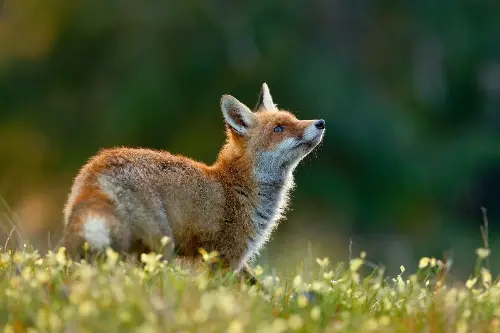
Foxes belong to the Canidae family, and with over 30 species found across the globe, from the Arctic tundra to the bustling heart of urban landscapes, their adaptability is nothing short of phenomenal. The most common and widely spread species is the red fox, known for its vibrant auburn fur and bushy tail marked with a distinctive white tip. Despite their appearance frequently gracing the pages of children's storybooks, much of their life remains a mystery to the average person.
These solitary hunters are primarily nocturnal or crepuscular, meaning they are most active at dawn and dusk. This behaviour helps them to avoid run-ins with humans and larger predators. Within the quiet hours of darkness, foxes emerge to forage and hunt. They have a diverse diet that ranges from small mammals like rodents to fruits and insects, making them opportunistic feeders. This varied palette not only showcases their adaptability but also underlines their importance in controlling pest populations.
But the fox is not purely a predator; it is also prey, which explains many of their secretive habits. Their acute senses—keen hearing, sharp eyesight, and a strong sense of smell—not only aid them in locating food but also in detecting danger. A fox can hear a watch ticking from 40 yards away and can use the Earth's magnetic field to hunt, a phenomenon known as 'magnetic sensitivity'. This makes them one of the few mammals known to harness this field for navigation and hunting.
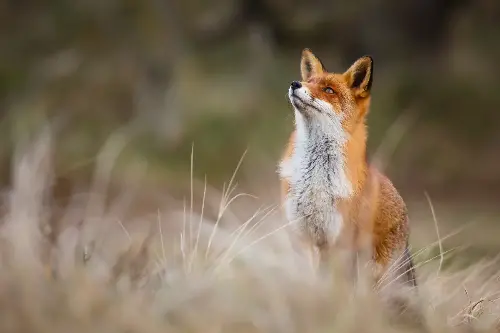
Foxes exhibit some fascinating behavioural traits. For instance, the social structure of fox families can be complex and vary from one species to another. Generally, though, many fox species are monogamous, and both parents can be seen caring for their offspring, known as kits or pups. These families live in dens that they often dig themselves, although they won't hesitate to repurpose an abandoned burrow for convenience.
Communication is another intriguing aspect of fox life. Far from silent stalkers of the night, foxes use a range of vocalisations, from barks to screams, to communicate with each other. Each call has a specific meaning, ranging from greetings and warnings to mating calls.
The fox's reputation in folklore and legend stretches far and wide. Regarded with suspicion and awe, foxes have been associated with cunning and trickery in Western folklore, while in Eastern cultures, they are often seen as wise or possessing magical qualities. This duality of fear and admiration reflects our own conflicted relationship with the natural world, where the line between reverence and misunderstanding is often blurred.

Unfortunately, this mystique and misunderstanding have led to foxes being hunted and persecuted. In the British countryside, fox hunting was a traditional sport that, despite being banned, still finds ways to persist in various forms. Furthermore, urban foxes are not always welcome neighbours and are commonly viewed as pests or nuisances due to their scavenging habits.
Nevertheless, conservation efforts and changing attitudes have helped to foster a better understanding and appreciation of the role of foxes within natural and urban environments. Research has demonstrated the profound impact that these carnivores have on regulating prey populations and their significance as a key species in many habitats.
The world of the fox is an enigmatic one that is only beginning to be understood. We are learning that their survival is intricately linked with ours; they act as mesopredators that control smaller pest populations, ensuring a balanced ecosystem. As we continue to coexist with these fascinating creatures of the night, it is imperative that we learn not just to live alongside them but to respect the crucial role they play in the rich tapestry of our shared planet.