


Eco-friendly promises are everywhere today—from cleaning products boasting “natural” ingredients to brands touting “carbon neutral” shipping. Yet, not every green label stands up to scrutiny. For those who care about genuine environmental impact, it’s vital to distinguish between true sustainable actions and clever marketing ploys. Understanding the difference can empower you as both a consumer and a global citizen.
Cracking the Code: What Does ‘Eco-Friendly’ Really Mean?
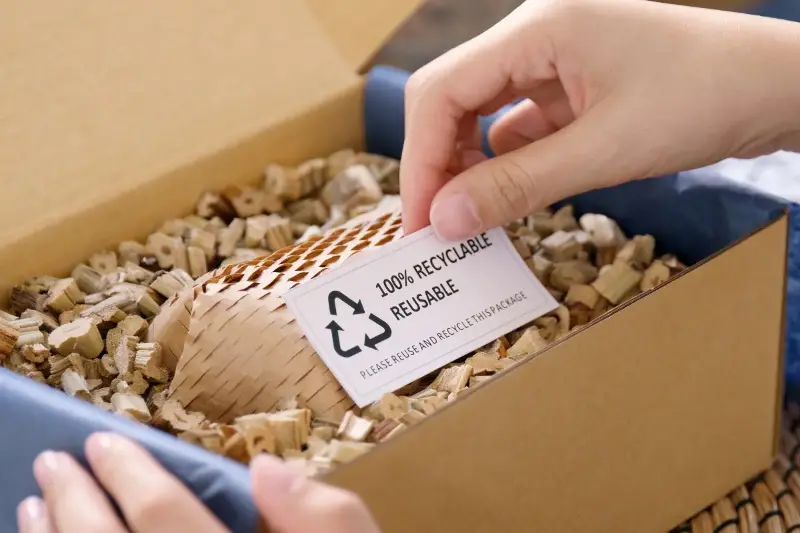
The phrase “eco-friendly” often evokes images of frothy green fields, crystal-clear waters, and healthy wildlife. But the reality is far more complex. “Eco-friendly” refers to products, services, or behaviours that aim to minimise harm to the environment. Crucially, there’s no universal standard for what qualifies as truly eco-friendly—which leaves room for interpretation and, unfortunately, manipulation.
When companies talk about being green, look for specifics, not vague sentiments. A laundry detergent that claims to be “all-natural” without listing its ingredients should raise eyebrows. Authentic eco-friendly brands disclose details, undergo third-party testing, and achieve recognised certifications.
Spotting Greenwashing: Marketing Tricks to Watch Out For
Greenwashing occurs when organisations exaggerate or fabricate environmental benefits to attract conscious consumers. Some common tactics include:
- Using broad, non-certified terms (“eco”, “green”, “natural”)
- Employing nature-inspired packaging to create a wholesome image
- Highlighting one positive feature while ignoring a bigger negative environmental impact
- Presenting irrelevant achievements as green credentials
- Making unverifiable claims—statements you can’t check independently
One famous example is when a fast fashion company advertises a “sustainable cotton” line, yet produces billions of polyester-heavy garments each year.
Authenticity Test: How to Tell If a Brand Means Business
So, how can you confidently separate green truth from marketing fiction? Here’s your go-to checklist:
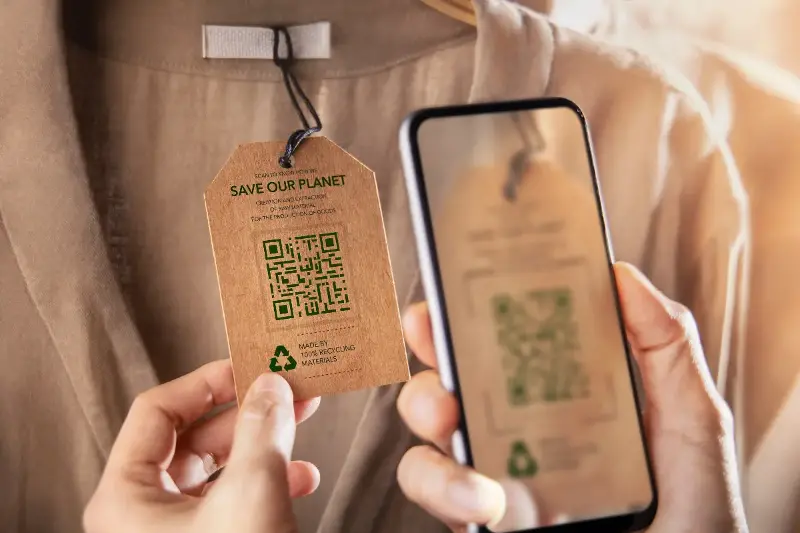
- Third-party certifications: Look for logos from trusted organisations such as Fairtrade, Rainforest Alliance, or the EU Ecolabel.
- Transparency: Genuine brands openly share supply chain information, ingredient lists, and sustainability reports.
- Clear metrics: They provide measurable figures—like amount of recycled content or carbon offset—rather than relying on feel-good words alone.
- Continuous improvement: True eco-friendly brands talk about their challenges and set future goals, demonstrating an ongoing journey rather than a finished story.
- Holistic approach: They consider the entire lifecycle of a product—from raw material sourcing to end-of-life recycling—and communicate how each stage is managed sustainably.
If a company’s “green” effort seems superficial, ask probing questions or dig into their sustainability report for concrete evidence.
Interesting Facts That Will Make You Think Twice
- Did you know that terms like “biodegradable” and “compostable” have different environmental impacts depending on the disposal system? For instance, many so-called biodegradable plastics only break down in industrial composters.
- Eco-friendly packaging can still create massive waste if consumers aren’t able to recycle or reuse it locally.
- The fashion industry, despite loud green claims, is responsible for nearly 10% of global carbon emissions—almost as much as all international flights and maritime shipping combined.
- Certifications can themselves be misleading if not governed by stringent standards—be wary of “in-house” or unverifiable labels.
- Many authentic green initiatives—from refill schemes to take-back programmes—often require consumer participation to succeed.

Educating Ourselves: Why Critical Thinking Matters
Environmental education equips us with the tools to question, investigate and decode the endless stream of “green” messages. By approaching sustainability as learners, not just shoppers, we’re empowered to make choices that align with our values and the planet’s needs.
Ask yourself: Who is making the claim, and what is their track record? Do they invite public scrutiny? Does their action improve environmental well-being on a meaningful scale, or is it a mere drop in the ocean? Seek out information from reputable independent sources, and look for consistency between a brand’s words and deeds.
The next time you’re faced with a purchase—be it trainers, appliances, or food—pause and consider: is this genuinely less harmful to the environment, or am I falling for clever marketing?
Ultimately, the journey to sustainability is ongoing and imperfect. The choices we make, fuelled by curiosity and knowledge, ripple far beyond the checkout line. As you encounter new green products or policies, will you accept the claims at face value, or delve deeper? The power of positive change, after all, often begins with a single thoughtful question.