



Becoming a first-time car owner is an exhilarating milestone. It's a symbol of independence and opens up a world of possibilities, but with this newfound freedom comes responsibility. To ensure your vehicle remains a faithful companion on all your road adventures, here's a distillation of key information to keep your car purring like a kitten and keep you rolling with confidence.
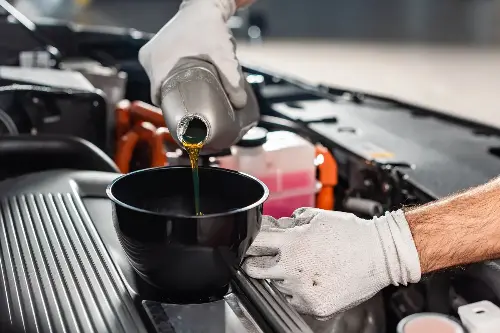
Understanding your vehicle begins with the lifeblood that keeps it going: the engine oil. Regular oil changes are crucial to the longevity of your engine. Oil lubricates the engine's internal moving parts, reducing friction and wear. Over time, oil breaks down and can become contaminated with dirt and debris. Most experts recommend changing the oil every 5,000 to 7,500 miles, but this interval can vary based on your driving conditions and the type of oil your car uses. Consult your car’s manual for the manufacturer’s recommendation, and consider using synthetic oil for better performance and longer intervals between changes.
Next, the vitality of your car depends much on its heartbeat: the battery. Car batteries typically last between three and five years, depending on usage and climate—extreme temperatures can drastically affect their lifespan. A dying battery will make starting your car more difficult and could leave you stranded at the most inconvenient times. Keep an eye on the battery's age and perform occasional check-ups, especially before long trips. If you notice your car struggling to start, dimming headlights, or a sluggish engine response, it could be time for a replacement.
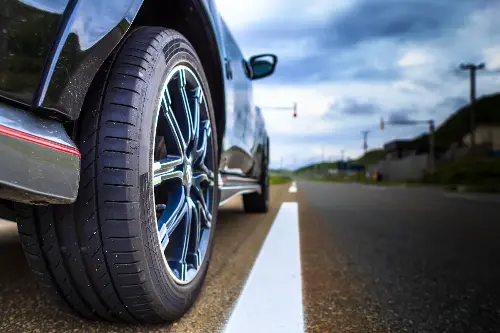
Let's talk about another set of crucial components: the tires. Your tires are the only contact between your car and the road, meaning their condition directly impacts your safety and your vehicle's handling. Check the tire pressure monthly, including the spare, as underinflated tires can lead to poor fuel economy, reduced grip, and even blowouts. Remember that tire pressure recommendations can be found on a sticker inside the driver's door jamb or in the owner's manual. Moreover, you should monitor tread wear; if the tread is below the recommended depth, it’s time for new tires. Rotating your tires regularly also ensures even wear and maximises their lifespan.
Brakes are your car's most vital safety feature. Imagine cruising down the motorway, and suddenly traffic comes to a halt; you'll trust your brakes implicitly in that moment to save the day. To maintain optimal brake performance, listen for unusual sounds like grinding or squeaking, and pay attention to how your brake pedal feels underfoot. If the response feels spongy or you find the car pulling to one side as you brake, it may indicate that it's time for brake service. It’s crucial not to overlook these warnings, as neglected brakes could lead to more significant issues and jeopardise your safety.
Lastly, maintaining your vehicle isn't just about mechanical upkeep; it's also about understanding its documentation and legal requirements. Ensure that your vehicle is properly insured and that you carry proof of insurance in your car. Understand your policy, what it covers, and what it doesn’t. Be sure to adhere to the schedule of required inspections and emissions testing specific to your locale to avoid any legal penalties. Keeping your car's registration and any roadside assistance or warranty paperwork up to date will save you from headaches in the long run.

By taking a proactive approach to maintenance, you’re not only safeguarding the reliability of your vehicle, but you're also maintaining its value and preventing costly repairs. Regular check-ups, understanding the signs of wear and tear, and keeping your car's documentation in order are all part of responsible car ownership. With these foundational knowledge, first-time car owners can feel more confident and enjoy the exhilarating sense of freedom that comes with it. Remember, looking after your car means it will look after you, on the road and beyond.