


Venturing into the deep wilderness, one might encounter a myriad of mysterious creatures. However, few could match the fascinating complexity and raw power found in the embodiment of the wolverine. This solitary animal, Gulo gulo by its scientific name, is the largest member of the Mustelidae family, which includes the likes of weasels, otters, and ferrets. Despite its common name, the wolverine is not a canine but is a specialised branch of the weasel family, a surprising fact that often goes unnoticed.
The lore surrounding wolverines is indeed as ferocious as the creatures themselves. Known for its incredible strength, the wolverine has been compared to a small bear but with a more muscular build. This muscularity is no exaggeration—they can take down prey many times their own size, a testament to their power. Perhaps most astonishing is their ability to fend off much larger predators like wolves or bears when defending a meal or territory.
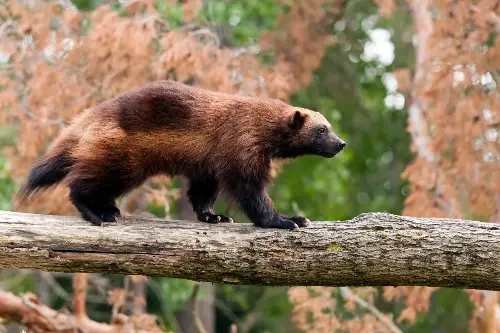
Their strength is accompanied by remarkable survival skills. Wolverines make their homes in the boreal forests and subarctic tundra of the northern hemisphere—environments that are as unforgiving as they are beautiful. Their thick, water-repellent fur protects them against icy cold temperatures, while their broad paws act as natural snowshoes, distributing their weight as they traverse deep snow.
A closer look at the wolverine's eating habits divulges yet another layer to their intriguing lifestyle. They are not picky eaters; their diet is varied and opportunistic. Whether scavenging the leftovers from a predator’s meal, hunting live prey, or munching on berries and plants, wolverines have a digestive system that can handle a wide array of sustenance, including bones and teeth. This ability allows them to thrive in their sparse habitats, where food can sometimes be scarce.
One might assume that with such voracity comes a chaotic hunting style. Yet, wolverines are known for their intelligence and strategic hunting techniques. They are exceptional hunters, employing ambush and endurance running strategies to catch small or medium-sized mammals, and are known to cover vast territories in search of sustenance, sometimes roaming areas up to 240 square miles (approximately 620 square kilometres).
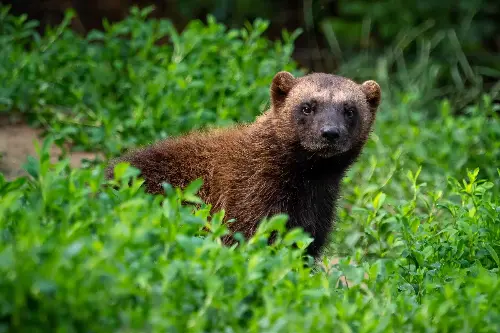
Perhaps one of the more sensational aspects of the wolverine is its reputation for toughness and resilience. These creatures are often seen in popular culture as tenacious fighters, and for good reason. Wolverines have been known to defend their kills against bears or pursue prey in conditions that would deter many other predators. This level of tenacity is rare in the animal kingdom and solidifies the wolverine's status as the epitome of wilderness survival.
They are not only loners in their hunting practices but in their social structure as well. Wolverines are solitary animals, coming together only during the mating season, which stretches from May to August. After gestation, females will look for a snowden to give birth and raise their kits, typically two or three at a time, for the first couple of months before emerging in the spring.
Conservation of this species presents a unique set of challenges. Due to their vast roaming habits and need for large territories, wolverines face threats from habitat destruction and fragmentation. Climate change poses another critical threat, as it affects the availability of snow dens for breeding. Listed as a species of "Least Concern" by the International Union for Conservation of Nature (IUCN), the wolverine's population trends are unclear. Some subspecies, particularly those in the contiguous United States, are considered more at risk.
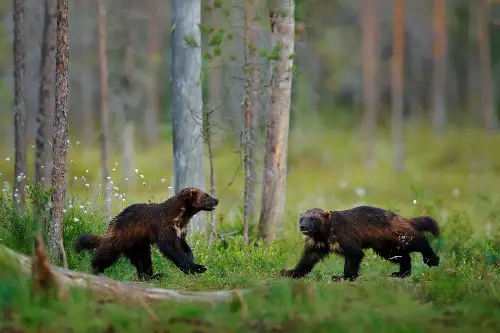
Their elusive nature notwithstanding, scientists have managed to gather critical data on wolverines through the usage of tracking devices and camera traps. These insights have led to more informed approaches to their conservation and have shed light on the ways in which we can protect their habitats.
In closing, the wolverine is a creature of remarkable adaptations, a symbol of the wilds that it inhabits. Its tale is one of survival against the odds, resilience in the face of adversity, and the raw force of nature encapsulated in a single, fierce animal. These species remind us of the intricate beauty and innate ferocity of our natural world, urging us to appreciate and protect it for future generations to witness their splendour. As we delve deeper into the lives of these astounding mammals, wolverines continue to surprise and fascinate with unbelievable truths that are every bit as wild as the environments they roam.