


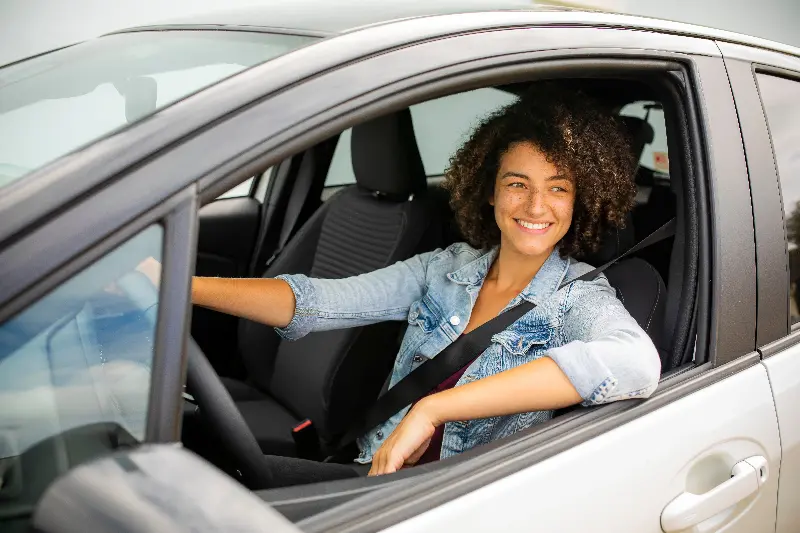
When you first slide into the driver’s seat, the world outside your window feels vibrant and a little intimidating. The hum of the engine and the shimmer of sunlight off the dashboard can spark a mix of excitement and nerves. Yet, driving is less a leap into the unknown and more a collection of small, smart habits that keep both you—and others—safer on the road. It’s not about memorizing every page of the manual; it’s about practicing mindful techniques that turn you into a confident, road-smart driver.
Eyes everywhere: mastering awareness without overwhelm
New drivers often focus so much on what’s straight ahead that they forget about the full spectrum of their surroundings. Peripheral vision, mirrors, and a quick check over the shoulder can make all the difference. Here’s how to build a panoramic awareness:
- Scan side to side at intersections, not just left and right, to spot hidden hazards
- Check all mirrors every 5–10 seconds—make it a smooth habit, not a panicked glance
- Practice defensive driving: anticipate actions of others, even if they seem unlikely
By reminding yourself to “expect the unexpected,” you’ll develop an instinct for what can go wrong—and how to prevent it before it happens.
The rhythm of the road: keeping a calm and steady pace
Speeding isn’t just illegal; for beginners, it's a recipe for mistakes. Consistency is king:
- Stick to the speed limit—or slightly below until you’re comfortable
- Use the “three-second rule” for following distance: when the car ahead passes an object, it should take you at least three seconds to get there
- Ease into acceleration and gentle braking, so passengers (and your own nerves) stay calm
This steady approach isn’t just about rules; it’s about transforming traffic chaos into an environment you control.

Signals and unspoken language: communicate like a pro
Driving is a team sport, and signals are your way of talking to everyone around you. The indicators, brake lights, and even a simple tap on the horn compose the road’s daily conversation.
Number one mistake for beginners? Forgetting to signal, or signaling at the last second. Make it a golden habit:
- Signal intentions well before turning or changing lanes—aim for a minimum of 100 feet
- Don’t just rely on lights: lock eyes, wave, or politely acknowledge other drivers when needed
- Never assume you’ve been seen—even when you have the right-of-way
Sometimes, the safest move is simply to make your decisions obvious to others.
Tech, distractions, and the surprising power of putting the phone away
Modern cars are packed with screens and gadgets designed to help. But as a beginner, less is more. Mute notifications, set GPS before moving, and keep music low. Studies show:
- Texting while driving increases crash risk by more than 20 times
- Even hands-free conversations can distract beginners more than they realize
Short, focused trips build your "attention stamina." As you gain skills, tech can become a helpful co-pilot—but only after the basics are second-nature.
Practice, patience, and the power of water bottles
Every expert was once a beginner who practiced, made mistakes, and practiced again. Little details make a big difference:
- Drive at different times: morning, mid-day, dusk, and night to experience a range of conditions
- Keep water and snacks for long sessions—hydration helps you focus and stay alert
Patience with yourself is the most underrated safety feature your car has.

Driving is both science and art—a personal journey as much as it is a skill. Each trip reveals more of the road and of yourself. Where might your newfound habits take you next, and how will your confidence behind the wheel shape the adventures ahead?